
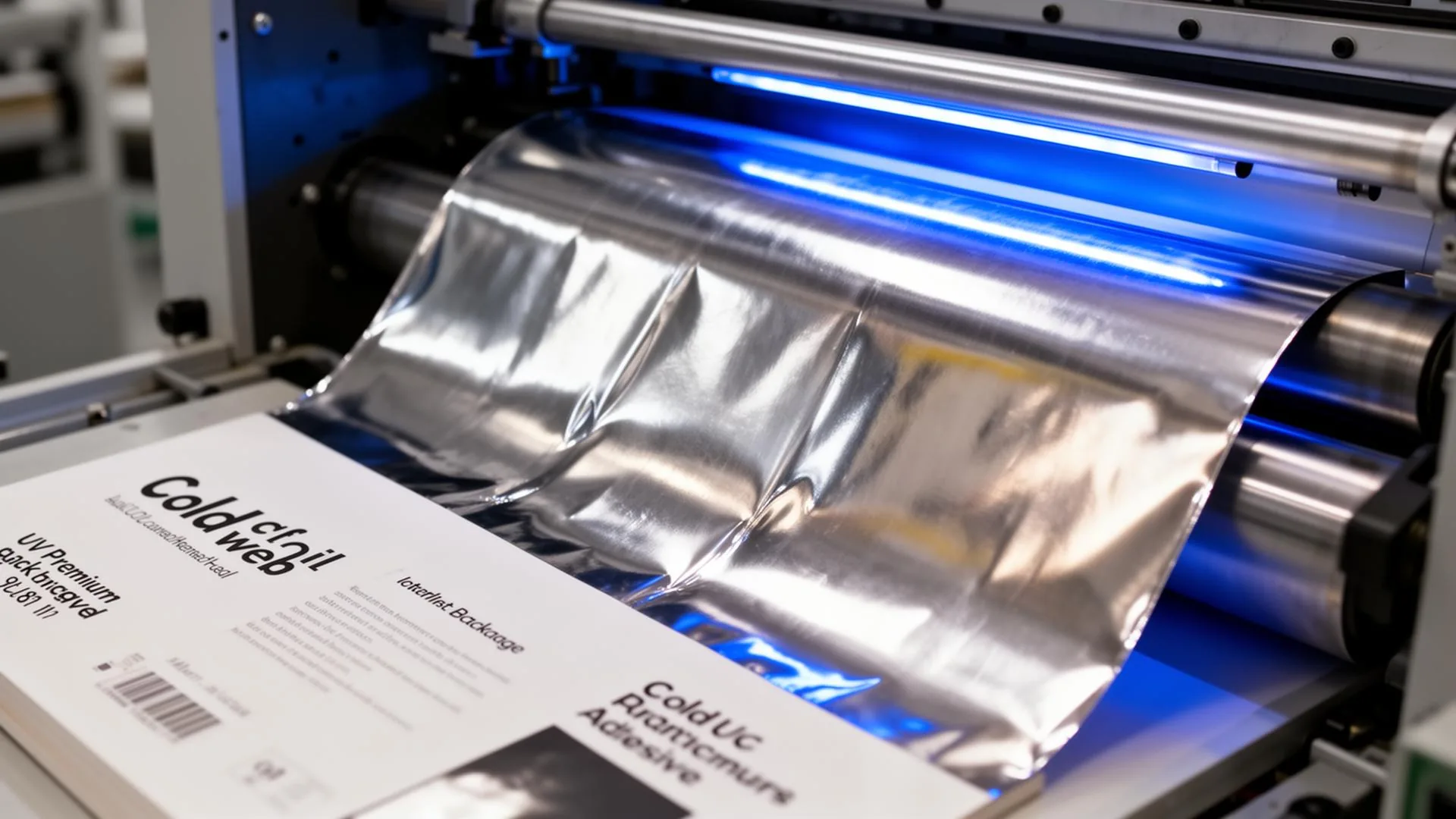
A line-by-line cost comparison of cold foil against hot foil and digital foil — foil consumption, UV adhesive, die and make-ready charges, press time and waste — plus the run-length break-even point where cold foil stops being the cheaper option.
Table of Contents
Every few months the same question shows up in printing forums: is cold foil actually the cost-effective option, or does it just look that way on a quotation? The honest answer is that it depends almost entirely on run length and on which cost lines your estimator is allowed to see. This is the arithmetic, without the sales gloss.
The short answer
Cold foil is cheaper than hot foil once the run is long enough for the eliminated die charge and the eliminated second pass to outweigh the plate, wash-up and set-up waste that cold foil adds. For most coated-carton work that crossover falls somewhere between 5,000 and 10,000 sheets. Below it, hot foil usually wins. Above 25,000, cold foil wins comfortably.
What actually goes into the cost
Foil price per square metre is the number buyers argue about and it is rarely the number that decides the job. Five lines matter:
| Cost line | Cold foil | Hot foil |
|---|---|---|
| Foil material | ~USD 0.45–1.20 / m² | ~USD 0.60–1.50 / m² |
| Tooling | No die; one UV adhesive plate | Magnesium, brass or copper die per design |
| Make-ready | Plate mount, UV lamp check, register | Die mount, heat-up, pressure and dwell trials |
| Press time | Inline, full press speed | Separate pass on a stamping press |
| Waste | Higher set-up waste, low running waste | Lower set-up waste, foil web waste per stroke |
Two things follow from that table. First, tooling is a fixed cost, so it hurts short runs and vanishes on long ones. Second, the "separate pass" line is the quiet one — an extra handling, an extra operator and an extra day in the schedule rarely appear in a per-square-metre comparison but always appear in the invoice.
For the physical differences behind these lines, the hot foil vs cold foil vs digital foil comparison covers the process side, and the cold foil printing guide walks the five-step inline workflow.
Where the break-even sits
Work it as fixed cost divided by per-unit saving. A hot foil die for a mid-size carton logo typically runs USD 85 to 500 depending on size, metal and detail. A cold foil job replaces that with one plate and a longer make-ready, so call the fixed-cost difference roughly neutral to modestly in cold foil's favour. The real saving is the second pass: on a 50,000-unit carton job at around 8 percent foil coverage, inline cold foil commonly lands near USD 0.018–0.035 per unit fully loaded, against USD 0.045–0.080 for hot foil on a separate press.
Treat those as planning ranges, not quotations — they move with coverage, web utilisation, press hourly rate and local labour cost. Run your own numbers with your own hourly rate before committing.
Three conditions flip the answer back toward hot foil regardless of quantity: heavy solid coverage where foil consumption dominates, substrates cold foil cannot grip (see the foil-substrate compatibility matrix), and jobs where peak brightness or crisp fine type is the whole point of the decoration.
Short runs and "cold foil at home"
There is no home or studio version of cold foil. The process needs a press unit to lay the UV adhesive and a UV lamp to cure it, and neither scales down to a desk. Searches for cold foil stamping at home almost always end at one of two real answers: a manual hot foil press for a few hundred impressions, or digital toner-reactive foil fused through a laminator, which is the only metallic method that stays economic from one unit upward. The toner-reactive foil guide covers what that setup can and cannot do.
The adhesive is where budgets leak
Cold foil economics live or die on the UV adhesive. Offset and flexo systems are formulated to different viscosities and tack, and running the wrong one produces patchy transfer that gets blamed on the foil. Two habits protect the cost model:
- Match the adhesive system to the press before ordering foil, not after the first bad sheet.
- Gang artwork across the web so the foil ribbon is used efficiently. Foil is consumed by the width of the ribbon and the length pulled, so poor ganging can double consumption without changing the printed image at all.
Grade selection matters too — cold stamping foil is supplied in different release and opacity grades, and a high-release grade on the wrong board costs more in waste than it saves in list price.
Common misconceptions
"Cold foil is always the cheap option." It is the cheap option at volume on coated stock. On a 2,000-piece luxury carton it is usually the expensive one.
"Per-square-metre price tells you the winner." It does not. Coverage, ganging, press rate and pass count all outrank it.
"Cold foil looks the same as hot foil." Close, but hot foil still reaches higher brightness and holds finer detail. Cold foil's compensating advantage is overprintability: you can print transparent CMYK over the cured silver and produce a full metallic palette from one grade.
"Foil is expensive because of the metal." The aluminium layer is tens of nanometres thick. Carrier film, lacquers and adhesive dominate the cost — and the same thinness is what makes foil-decorated packaging recyclable in standard paper streams.
How to compare quotations properly
Ask every supplier for the same four things and the comparison becomes trivial:
- Price per square metre and the roll width, so you can calculate real consumption.
- Foil consumption estimate for your specific artwork and imposition.
- Whether tooling, make-ready and set-up waste are included or billed separately.
- Which adhesive system the quoted grade is matched to.
If you are still narrowing the supplier field, the comparison of Chinese cold foil manufacturers and the 2026 cold foil market analysis cover capacity and pricing structure; the metallic foil types and colour chart guide covers which grade to specify. For equipment questions, the cold foil printing machine guide and the XG1080G hot stamping machine page cover both sides of the decision.
Send us your artwork, run length and press make and we will run the consumption calculation against both processes — request a costed comparison.
Frequently Asked Questions
Quick answers about cold foil cost.
Companion Products
Specs and samples for the products discussed in this article.
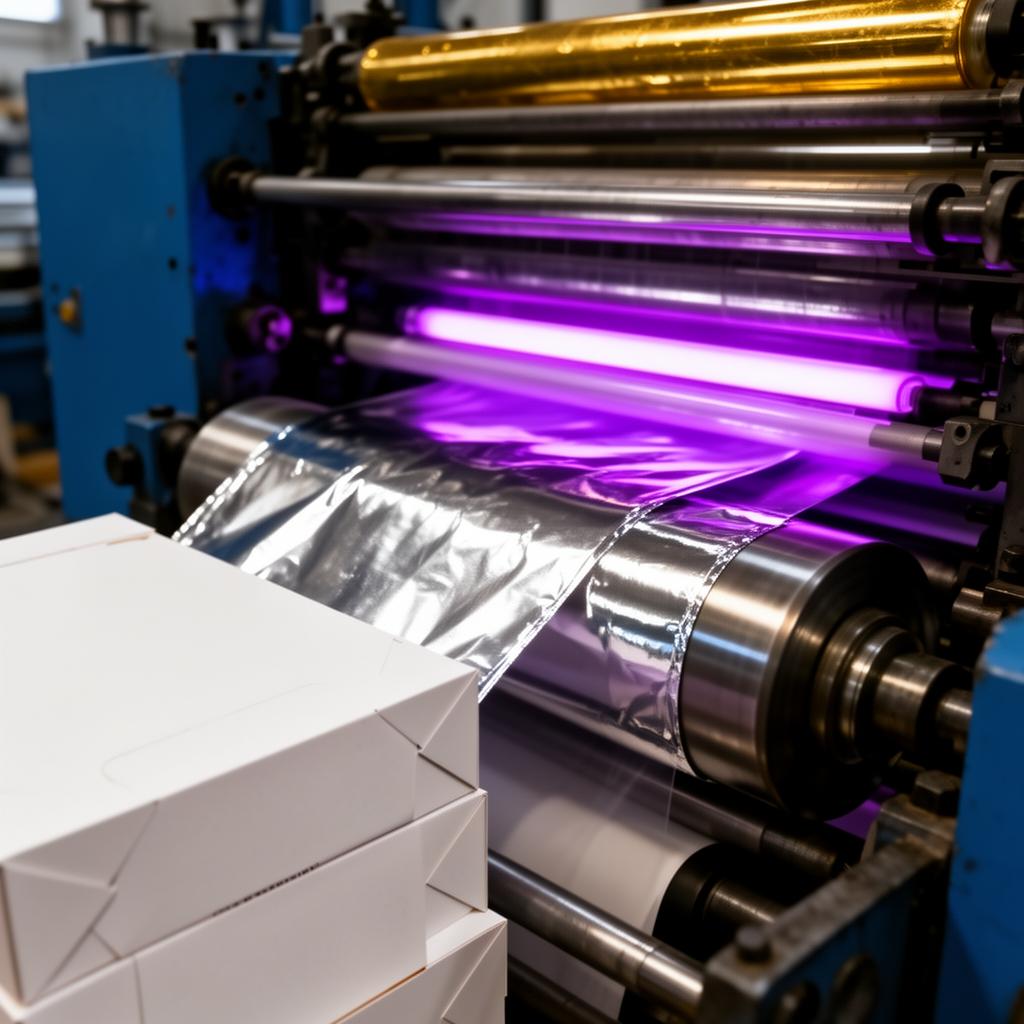
Cold Stamping Foil
Cold stamping foil for inline UV flexo and offset presses — no heat, no dies, up to 150 m/min with metallic, holographic and pigmented finishes.
View product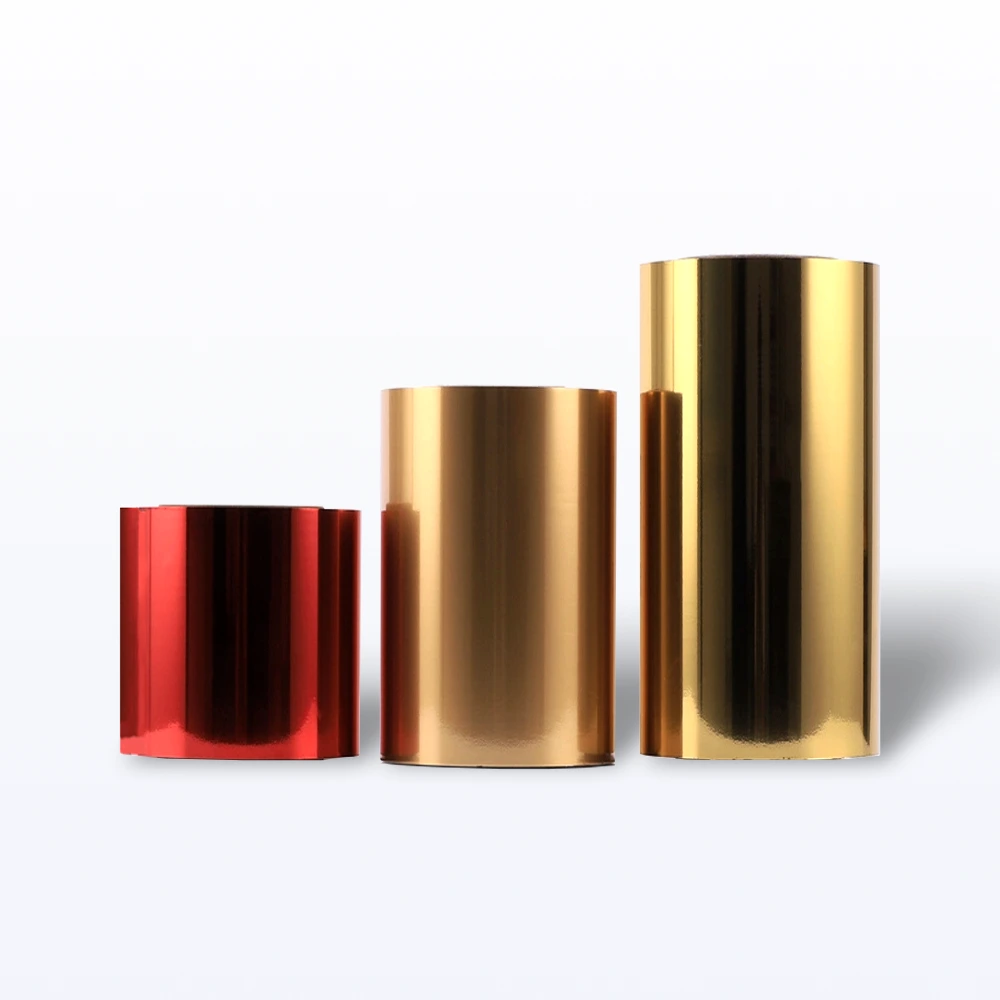
Digital Toner Reactive Foil
Digital toner-reactive foil for laser printers — bonds to HP/Konica/Xerox toner via a 110–130°C laminator, no dies. Gold, silver, rose-gold, holographic. 12µm PET, 120m rolls, MOQ 50 rolls.
View product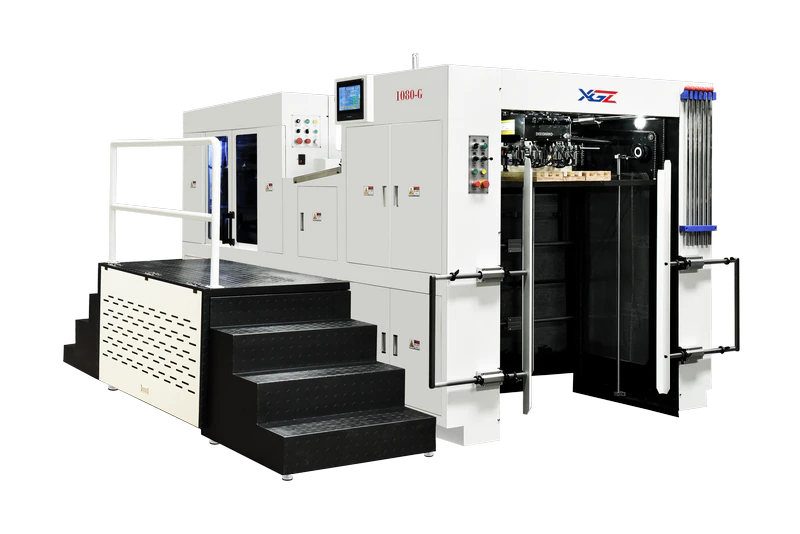
XG1080G Fully Automatic Hot Foil Blocking Machine (Hot Stamping Press)
Industrial hot foil blocking machine (also called a hot stamping press) with 5,500 sheets/hour throughput, 1060×740 mm max sheet size, 160-ton stamping pressure and ±2°C PLC temperature control — for paperboard, luxury packaging, book covers and security printing.
View productRelated Articles
View all
Technical Knowledge · Aug 25, 2026
Metallic Foil Explained: Types, Colour Charts and Real Costs (2026)
What metallic foil actually is in packaging and print, the foil families worth knowing, how colour charts and reference numbers work, and honest per-square-metre and per-impression cost ranges for 2026.
Technical Knowledge · Aug 25, 2026
Foil Stamping vs Digital Foil vs Cold Foil: Which Method Actually Wins on Cost?
An honest four-part cost comparison of hot foil stamping, cold foil and digital foil — tooling, material, machine time and changeover — plus the run-length crossover points, substrate limits and lower-cost alternatives to foil altogether.
Technical Knowledge · Aug 25, 2026
Holographic Foil Printing: The Complete Technical Guide (2026)
How holographic foil printing actually works — hot stamping, cold foil and transfer sheets compared, the four holographic foil families, security OVD requirements, honest limitations, and a step-by-step way to choose the right method for your run length.
Ready to source foil stamping and die-cutting from one supplier?
From stamping foils to post-press machines and die-cutting consumables — get factory-direct pricing and free samples.