
Compare hot foil, cold foil, and digital foil to find the best foiling method for your packaging needs. This guide offers insights on metallic finishes.
Table of Contents
- 1. The Three Foiling Methods in One Paragraph Each
- 1.1 Hot Stamping (Hot Foil)
- 1.2 Cold Foil
- 1.3 Digital Foil
- 2. Side-by-Side Decision Matrix
- 3. When Hot Stamping Is the Right Answer
- 4. When Cold Foil Wins
- 5. When Digital Foil Is the Only Sensible Choice
- 6. The Sustainability Angle Buyers Are Asking About
- 7. A Decision Framework You Can Apply Today
- Conclusion
- Frequently Asked Questions
"Should we run this job hot, cold, or digital?" is one of the most frequently asked questions in packaging finishing right now — and the answer changed in 2026. Sheet-fed digital foilers have matured, cold-foil inline units are spreading on mid-web flexo presses, and hot stamping continues to dominate the high-end. This guide compares the three methods on the seven decision factors buyers actually care about: image quality, run length, substrate range, tooling cost, lead time, sustainability and unit cost.
1. The Three Foiling Methods in One Paragraph Each
1.1 Hot Stamping (Hot Foil)
A heated metal die presses a stamping foil ribbon onto the substrate, transferring the metallized layer in the exact shape of the die. Temperatures typically run 110–160 °C with dwell times of 0.2–0.6 s. Hot stamping is the oldest method, the highest visual quality, and still the only realistic choice for embossed-and-foiled effects. Equipment ranges from manual clamshells up to fully automatic presses such as the XG1080G Automatic Hot Stamping Machine.
1.2 Cold Foil
A UV-curable adhesive is printed (usually flexo or offset) in the foil shape, the foil web is laminated over the adhesive under a nip roller, then peeled away — leaving foil only where the adhesive was printed. No heat, no metal die. Cold foil is inline with the press, so it adds a metallic decoration without a separate finishing pass. See our Cold Stamping Foil for the carrier specifications used in this process.
1.3 Digital Foil
A digital toner or UV-inkjet image is printed first, then a foil is laid over the print and bonded by a heated roller — the foil sticks only to the toner/ink areas. No die, no plate, no minimums. Best known platforms include Scodix and Konica Minolta MGI. The foil ribbon used is a Digital Toner Reactive Foil, formulated to bond at 100–120 °C without high pressure.
2. Side-by-Side Decision Matrix
The table below summarises the trade-offs that decide most jobs in 2026:
| Factor | Hot Foil | Cold Foil | Digital Foil |
|---|---|---|---|
| Visual quality | ★★★★★ (mirror) | ★★★☆☆ | ★★★★☆ |
| Edge sharpness on fine text (≤4 pt) | Excellent | Limited by adhesive bleed | Excellent |
| Embossed + foil in one pass | Yes | No | No |
| Tooling / setup cost | USD 50–500 per die | USD 200–800 per plate | USD 0 (no tooling) |
| Economical run length | 2,000 – 500,000+ sheets | 20,000 – 1,000,000+ sheets | 1 – 5,000 sheets |
| Substrate range | Paper, board, plastic, leather, textile | Coated paper / film only | Coated paper / synthetic |
| Lead time from artwork | 3–7 days (die making) | 5–10 days (plate + setup) | Same day |
| Foil utilisation (waste) | 30–60% of ribbon used | 5–15% (very efficient) | 10–25% |
| Unit cost at 5,000 sheets A3 | Medium-high | Medium | High |
| Unit cost at 100,000 sheets A3 | Medium | Lowest | Not viable |
3. When Hot Stamping Is the Right Answer
Hot foil is still the default specification when any of the following are true:
- Brilliance matters more than cost. Spirits, perfume, premium cosmetics — buyers can see the difference between a cold-foiled label and a hot-stamped one at arm's length.
- You want embossed metal. Combo dies that stamp and emboss in one pass remain a hot-foil exclusive. See the production setup detailed in our holographic foil applications guide.
- The substrate is not paper. Leather goods, plastic closures, textile labels and PVC cards all rely on hot stamping with substrate-specific adhesive layers, including Textile Heat Transfer Foil and Washable Metallic Foil.
- Holographic or security patterns. Custom holograms and registered tax-stamp positions require die-controlled placement — see Anti-Counterfeit Security Foil.
4. When Cold Foil Wins
- Long-run flexible packaging (snack bags, beverage labels) where the press already runs cold foil inline.
- Large-area metallic background over which CMYK is overprinted to create coloured "metallic shift" effects — cheaper than buying coloured metallic foils.
- Speed-critical jobs on web presses running 200+ m/min, where stopping for hot stamping would break the workflow.
Actega and other adhesive suppliers publish detailed specs on the UV cold-foil adhesive formulations that drive edge quality on offset presses.
5. When Digital Foil Is the Only Sensible Choice
- Variable-data jobs: personalised cosmetics, limited-edition spirits, name-on-pack campaigns. No die means every sheet can carry a different foiled image.
- Short runs under 2,000 sheets where hot-foil tooling cost cannot be amortised.
- Same-day mock-ups for brand pitches and retail comps.
The trade-off is unit cost: digital foiled sheets typically cost 3–8× more than hot-stamped sheets at 10,000 units, and the gloss level — while excellent — is still a notch below a freshly polished metal die.
6. The Sustainability Angle Buyers Are Asking About
All three methods transfer only the metallized layer (≈40–50 nm of aluminium) onto the substrate. On paper-based packaging, this thin metal does not disrupt standard repulping — the European paper-recycling test method CEPI/PTS-PR 002 confirms recyclability for both hot- and cold-foil decorated cartonboard. The bigger sustainability differentiator is foil ribbon utilisation: cold foil's 5–15% waste is markedly better than hot foil's 30–60%, which matters at high volume.
7. A Decision Framework You Can Apply Today
- Run length under 2,000 sheets or variable data? → Digital foil.
- Need embossed-and-foiled, or non-paper substrate, or premium spirits/cosmetics quality? → Hot stamping with our Premium Metallic Gold Foil or Matte Silver Foil.
- Long-run flexible packaging, large coverage, inline with flexo/offset? → Cold foil.
- Still unsure? Order matched samples on your real substrate. We provide A4 hot, cold and digital reference panels free for qualified converters — request a sample pack here.
Conclusion
The three methods are no longer competitors so much as a portfolio. A modern converter quoting a luxury cosmetics brand will routinely propose hot foil for the carton, cold foil for the secondary shipper, and digital foil for the influencer-edition mock-ups — all sharing the same brand colour. Match the method to the run length, substrate and visual brief, and the unit economics take care of themselves. Browse our complete stamping foil catalogue, or talk to our application engineers about the right combination for your next launch.
Frequently Asked Questions
Quick answers about hot stamping foil.
Companion Products
Specs and samples for the products discussed in this article.
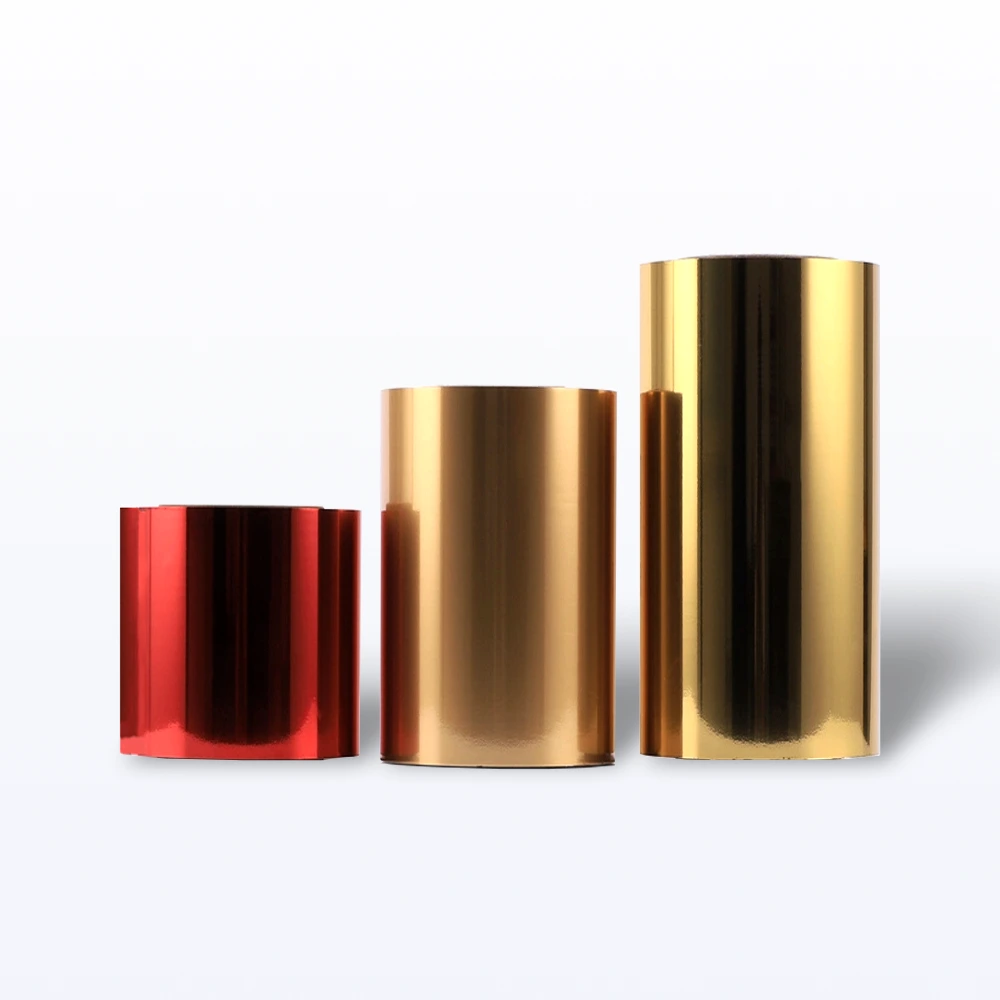
Digital Toner Reactive Foil
Digital toner-reactive foil for laser printers — bonds to HP/Konica/Xerox toner via a 110–130°C laminator, no dies. Gold, silver, rose-gold, holographic. 12µm PET, 120m rolls, MOQ 50 rolls.
View product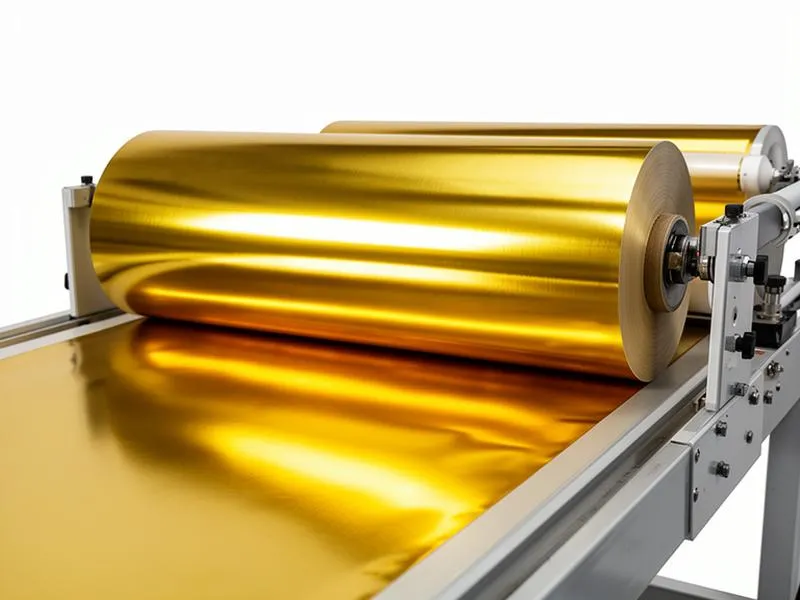
Premium Metallic Gold Hot Stamping Foil
Ultra-bright metallic gold foil with mirror-like reflection for premium packaging and label applications.
View product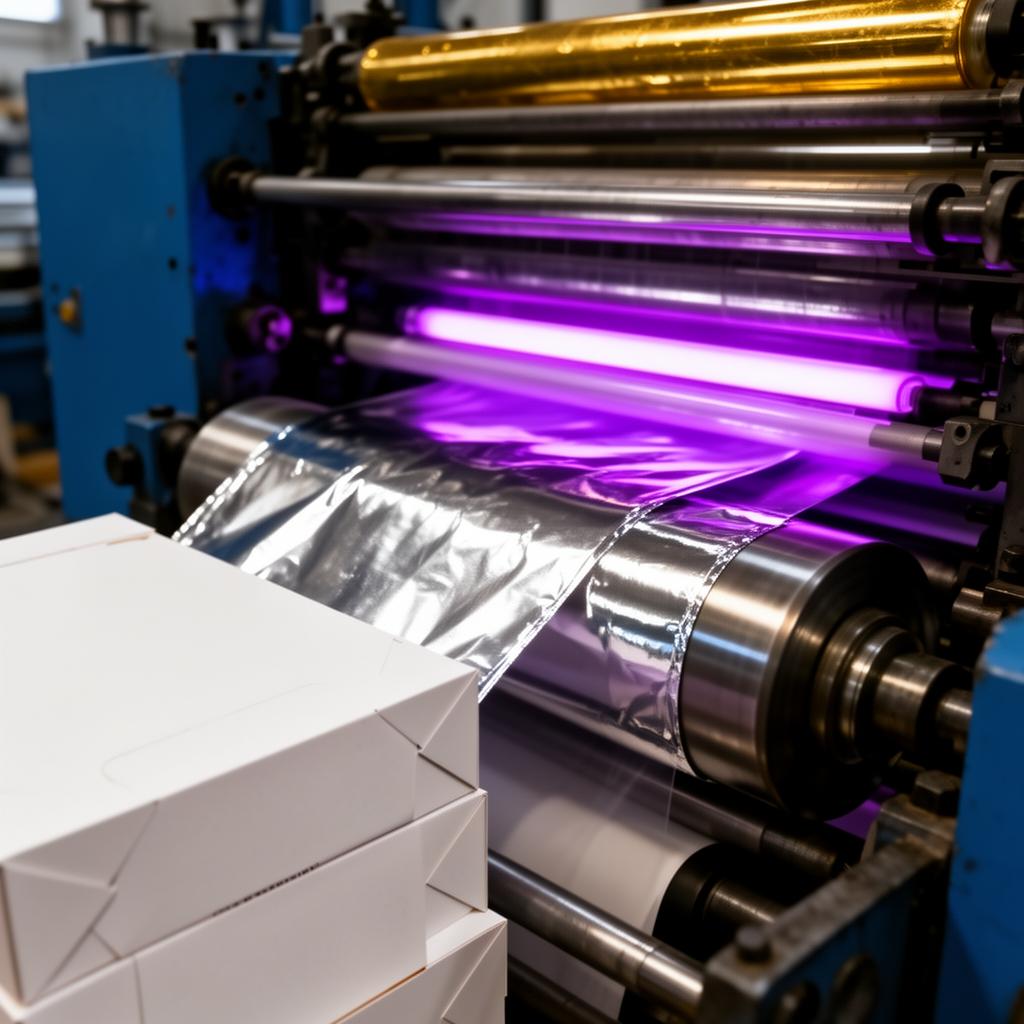
Cold Stamping Foil
Cold stamping foil for inline UV flexo and offset presses — no heat, no dies, up to 150 m/min with metallic, holographic and pigmented finishes.
View productRelated Articles
View allTechnical Knowledge · Aug 25, 2026
Foil Stamping vs Digital Foil vs Cold Foil: Which Method Actually Wins on Cost?
An honest four-part cost comparison of hot foil stamping, cold foil and digital foil — tooling, material, machine time and changeover — plus the run-length crossover points, substrate limits and lower-cost alternatives to foil altogether.
Technical Knowledge · Aug 25, 2026
Metallic Foil Explained: Types, Colour Charts and Real Costs (2026)
What metallic foil actually is in packaging and print, the foil families worth knowing, how colour charts and reference numbers work, and honest per-square-metre and per-impression cost ranges for 2026.
Technical Knowledge · Jul 28, 2026
Scratch-Off Foil for Hot Stamping: A Complete Buyer's Guide for Lottery, Card & Label Manufacturers
How scratch-off foil works, where it is used, and what B2B buyers must check before ordering — release consistency, opacity, substrate adhesion, press compatibility and batch-to-batch colour control.
Ready to source foil stamping and die-cutting from one supplier?
From stamping foils to post-press machines and die-cutting consumables — get factory-direct pricing and free samples.