
Starting hot stamping temperature, pressure and dwell time for coated paper, board, laminated film, UV varnish, plastics, leather and wood, plus a defect chart that links each fault to the setting that causes it.
Table of Contents
- The three settings that control hot stamping
- Hot stamping temperature chart by substrate
- How to find the right setting in 5 steps
- Troubleshooting: which setting causes which defect
- How the press affects these numbers
- Foil type also changes the window
- Get foil matched to your substrate
- Frequently Asked Questions
By Gavin Gao — 15+ years in foil stamping and post-press supply at All-in Pack. Reach me at sales@allinpacks.com.
Quick answer: Most hot stamping foil works at 100–150 °C (212–302 °F) die temperature, with 0.2–1.0 s dwell time on a flat-bed press and enough even pressure to transfer the adhesive without crushing the substrate. Start at the low end of the foil's window, then raise temperature in 5 °C steps.
These figures are starting points, not guarantees. The right setting depends on the foil grade, the substrate surface, the die and the press. Always confirm with a test sheet.
The three settings that control hot stamping
Hot stamping transfers foil when a heated hot stamping die presses the foil onto the substrate. Three variables decide the result:
- Temperature melts the foil's heat-activated adhesive and frees the release layer.
- Pressure brings the foil into full contact with the surface.
- Dwell time is how long heat and pressure act together.
The three trade off against each other. A faster press with shorter dwell usually needs a slightly hotter die. A soft or porous surface needs less pressure but longer dwell.
Hot stamping temperature chart by substrate
| Substrate | Starting temperature | Pressure | Flat-bed dwell | Notes |
|---|---|---|---|---|
| Coated paper / art paper | 110–125 °C (230–257 °F) | Medium | 0.2–0.5 s | Standard metallic gold and silver foils |
| Uncoated / textured paper | 120–135 °C (248–275 °F) | Medium–high | 0.4–0.8 s | Use a foil grade for rough paper |
| Folding carton board | 115–130 °C (239–266 °F) | Medium–high | 0.3–0.6 s | Watch board caliper and make-ready |
| BOPP / PET laminated board | 120–140 °C (248–284 °F) | Medium | 0.3–0.6 s | Check foil compatibility with film |
| UV-varnished surfaces | 125–145 °C (257–293 °F) | Medium–high | 0.4–0.8 s | Needs a UV-compatible foil; test adhesion |
| Plastics (PP, PE, ABS, PS) | 130–160 °C (266–320 °F) | High | 0.5–1.5 s | Use a plastic-grade foil |
| Leather / PU | 100–130 °C (212–266 °F) | Medium | 1–3 s | Lower heat avoids scorching |
| Wood | 140–180 °C (284–356 °F) | High | 1–3 s | Porous; may need longer dwell |
| Textiles | 140–170 °C (284–338 °F) | Medium | 5–15 s (heat press) | Use textile heat-transfer foil |
For detailed foil-to-material pairing, see the foil-substrate compatibility matrix.
How to find the right setting in 5 steps
- Start at the low end of the foil maker's window.
- Set even pressure with a correct make-ready, so the whole image contacts evenly.
- Run a test sheet and check coverage, edge sharpness and adhesion.
- Raise temperature in 5 °C steps until coverage is complete and fine lines stay open.
- Record the final setting for the foil, substrate and die so the job can be repeated.
Change only one variable at a time. If you change heat and pressure together, you cannot tell which one fixed the problem.
Troubleshooting: which setting causes which defect
| Defect | Likely cause | First fix |
|---|---|---|
| Foil does not stick / patchy coverage | Temperature too low, uneven pressure, wrong foil grade | Check make-ready, then +5 °C |
| Fine text fills in | Temperature too high, dwell too long | −5 to −10 °C, shorten dwell |
| Blistering or bubbles | Too hot, trapped air or moisture | Lower temperature; check substrate |
| Ragged or fuzzy edges | Too little pressure, worn die, wrong release | Increase pressure; inspect die |
| Dull or burnt-looking foil | Overheating | Lower temperature |
| Foil flakes off later | Foil not compatible with surface | Switch to compatible grade; test adhesion |
For the full diagnostic flow, read why hot stamping foil is not sticking.
How the press affects these numbers
Automatic presses run faster and apply higher, more even pressure, so they work at shorter dwell. Our XG1080G fully automatic hot stamping machine runs at 5,000–5,500 sheets per hour with up to 160 tons of stamping pressure and ±2 °C temperature control. That stable temperature makes it easier to hold the narrow window that fine-line and holographic foil need.
Manual and pneumatic presses usually need longer dwell and careful, repeated checks. See the hot foil blocking machine range and our guide on how to use a hot foil stamping machine.
Foil type also changes the window
- Metallic gold and silver: the widest, most forgiving window on paper and board.
- Holographic foil: often needs a tighter, slightly lower window to keep the image bright.
- Anti-counterfeit security foil: follow the maker's window closely; registered images need stable heat.
- Digital toner reactive foil: not a hot stamping die process; it uses a laminator to bond to toner.
If you are unsure which foil to choose, read the hot stamping foil buyer's guide.
Get foil matched to your substrate
Send us your substrate, press type and artwork, and we will recommend a foil grade and a starting setting for your test run. Request a foil recommendation.
Frequently Asked Questions
Quick answers about hot stamping temperature.
Companion Products
Specs and samples for the products discussed in this article.
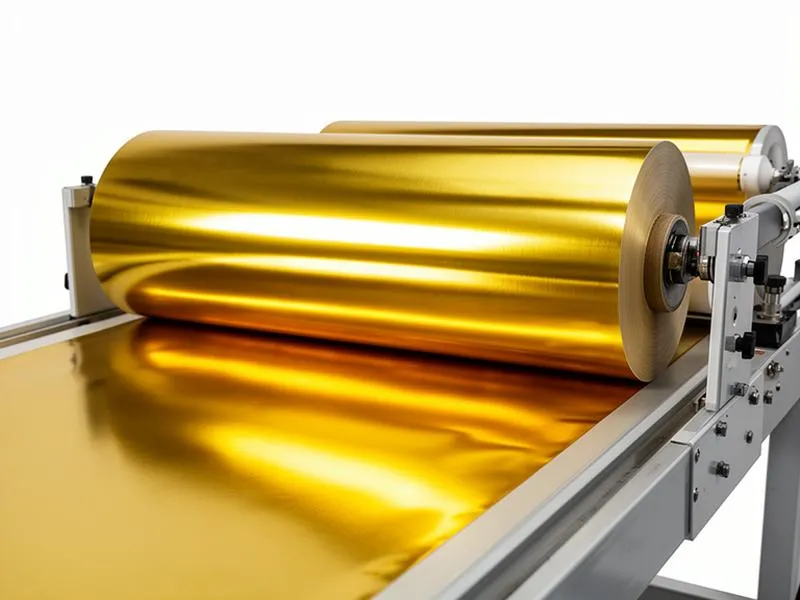
Premium Metallic Gold Hot Stamping Foil
Ultra-bright metallic gold foil with mirror-like reflection for premium packaging and label applications.
View product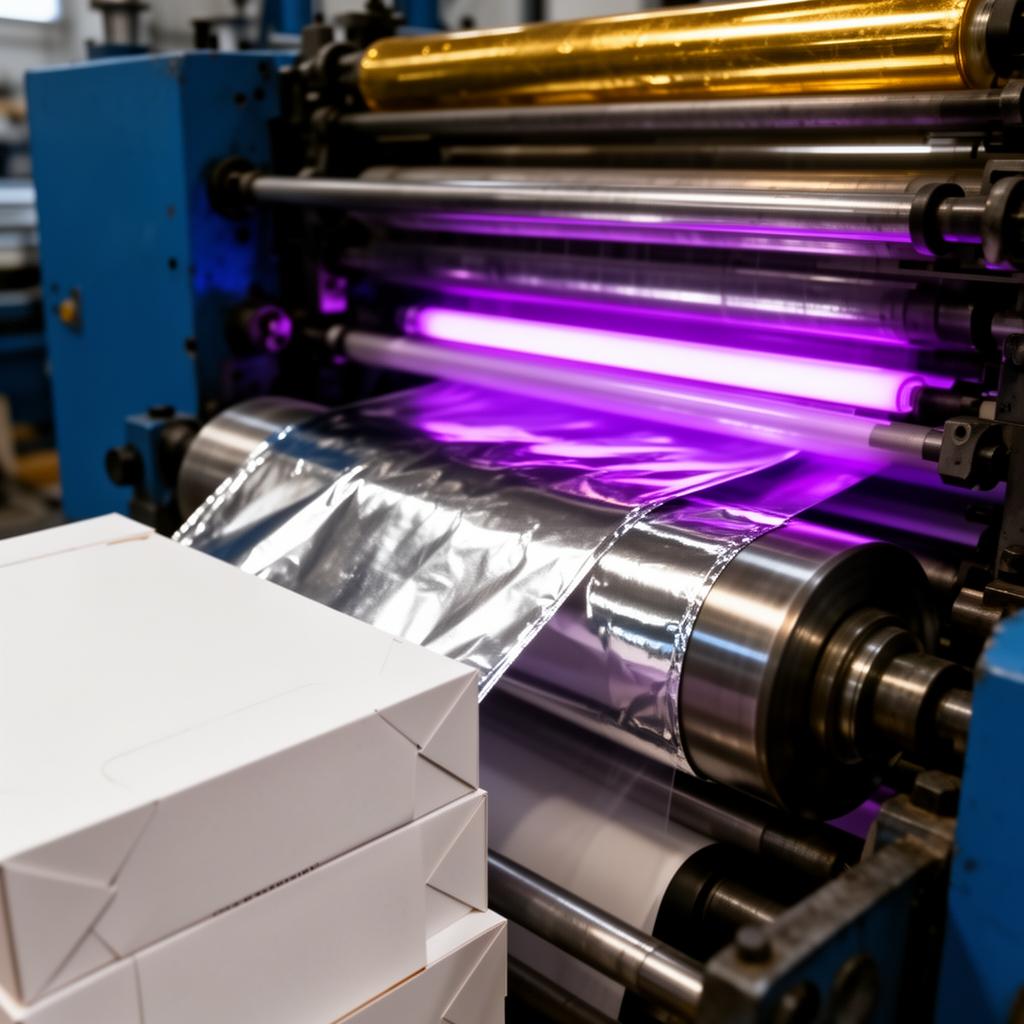
Cold Stamping Foil
Cold stamping foil for inline UV flexo and offset presses — no heat, no dies, up to 150 m/min with metallic, holographic and pigmented finishes.
View product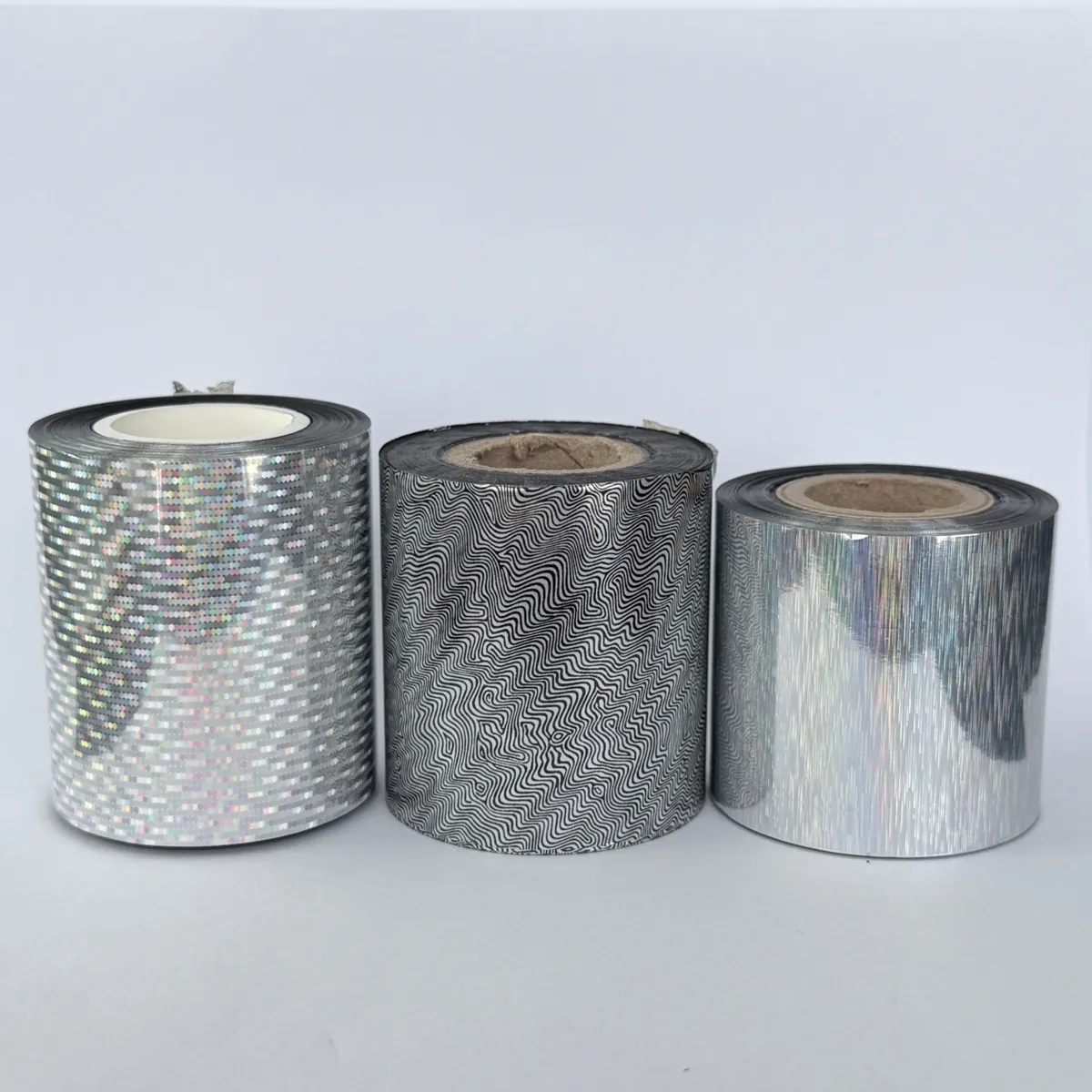
Scratch-Off Foil for Hot Stamping
High-opacity scratch-off foil for lottery tickets, gift cards and security labels — clean removal, no flaking, strong heat-seal bond to paper, cardstock and PVC.
View productRelated Articles
View all
Technical Knowledge · Apr 20, 2026
Hot Stamping Foil for Paper Packaging: Buyer's Guide
Choose hot stamping foil for paper packaging with confidence. This guide helps buyers match foil to substrates and optimize stamping for luxury cartons.
Technical Knowledge · Aug 25, 2026
Metallic Foil Explained: Types, Colour Charts and Real Costs (2026)
What metallic foil actually is in packaging and print, the foil families worth knowing, how colour charts and reference numbers work, and honest per-square-metre and per-impression cost ranges for 2026.
Technical Knowledge · Aug 26, 2026
The Complete Foil-Substrate Compatibility Matrix (2026)
A field-tested compatibility matrix covering 12 substrate types across 9 foil categories, with temperature ranges, dwell times, pressure notes and the failure modes that show up on real production floors.
Ready to source foil stamping and die-cutting from one supplier?
From stamping foils to post-press machines and die-cutting consumables — get factory-direct pricing and free samples.