
Discover the 4 key layers of hot stamping foil: PET carrier, release, color, and adhesive. Understand how each layer works for optimal performance.
Table of Contents
Every spec dispute we see between converters and foil mills traces back to the same root cause: one side is talking about the color layer and the other is talking about the adhesive (size) layer. They are not the same thing, and confusing them produces pinholes, halos, and adhesion failures that no press operator can fix.
This guide walks through the four functional layers of a modern hot stamping foil, what each one does on press, and the spec numbers you should request on every incoming roll — so the next time a roll fails QC, you can point to which layer is out of tolerance.
The 4-layer sandwich
From top to bottom, a standard hot stamping foil consists of:
- PET carrier film — 12–25 μm, structural backbone.
- Release coat — 0.3–0.8 μm wax/silicone blend that controls separation temperature.
- Color / metal layer — vacuum-metallised aluminium for gold and silver, or pigment lacquer for pigment foils.
- Size (adhesive) layer — 1–3 μm heat-activated polymer that bonds the color layer to the substrate.
Removable foils used for promotional and event labelling (see our removable adhesive labelling guide) share the same logical structure, but tune the size layer for clean removal rather than permanent bond.
Layer 1 — PET carrier film
The carrier is what your unwind brake actually pulls. Three numbers matter:
- Thickness: 12 μm is standard for paper and board. Step up to 19–25 μm for rigid plastics, PVC cards, and electronics.
- Heat shrinkage @ 150 °C / 30 min: < 1.5 % machine direction. Higher numbers cause register drift on multi-station presses.
- Tensile strength: > 180 MPa MD. Below that, narrow-width foils tear on high-speed slitting (the same threshold we cite in our roll-size & web-handling guide).
Layer 2 — Release coat
The release coat is the single most temperamental layer. It controls the separation temperature — the temperature at which the color layer cleanly detaches from the PET. Too low: foil pre-releases on the unwind and you get pinholes. Too high: incomplete release and you get tearing, especially on fine type.
| Foil grade | Separation temp | Typical use |
|---|---|---|
| Low-temp | 90–110 °C | Heat-sensitive plastics, leather |
| Standard | 120–140 °C | Coated paperboard, varnished stock |
| High-temp | 150–180 °C | PVC cards, ABS, high-speed roll-fed lines |
If you are stamping onto ABS automotive interiors, match the release grade to substrate temperature — our dedicated ABS automotive foil guide walks through dwell times.
Layer 3 — Color / metal layer
For metallic gold and silver, this is a 30–50 nm vacuum-deposited aluminium film coloured with a transparent tinted lacquer above it. For solid pigments (pastels, reds, whites), it is a pigment-loaded lacquer 1–2 μm thick. Two QC tests catch most defects:
- Optical density via reflection densitometer — gold target 1.6–1.8, silver 1.8–2.0. Below range = washed-out finish.
- Cross-cut adhesion (ISO 2409) after stamping — 0/5 to 1/5 acceptable. Anything worse means the size layer is wrong for the substrate; use a crockmeter and ASTM tape protocol to isolate which layer is failing.
This is also where the stamping foils range diverges into specialised SKUs — holographic embossed layers, security holograms, washable formulations — each with its own color-layer construction.
Layer 4 — Size (adhesive) layer
The size layer is the polymer that actually bonds your foil to the substrate. It is matched to substrate chemistry, not to press speed. Common chemistries:
- EVA-based — paper, coated board, varnished card.
- Acrylic — PE, PP, treated polyolefins.
- Polyester / polyamide — PVC, ABS, polycarbonate, glass.
- UV-curable (cold foil) — paired with a printed UV adhesive on press; see the cold foiling workflow and our UV flexo cold foil adhesive for the matched chemistry.
How layer specs drive press settings
The three press knobs — temperature, pressure, dwell — each map to one layer:
- Temperature targets the release coat (Layer 2).
- Pressure compresses the size layer (Layer 4) into the substrate's micro-roughness.
- Dwell gives the size layer time to flow and crystallise.
If your operator is increasing all three to chase a defect, the foil spec is wrong for the job. Diagnose with our 12-defect troubleshooting matrix before changing rolls.
What to ask your foil supplier
A complete incoming-goods spec sheet should list, for every roll:
- PET carrier thickness (μm) and shrinkage (% @ 150 °C / 30 min)
- Release grade (low / standard / high) with separation temperature window
- Color layer type (vacuum metal / pigment) and target optical density
- Size chemistry (EVA / acrylic / polyester / UV) and recommended substrate list
- Recommended press window: temperature °C, pressure kg/cm², dwell ms
If any of those five numbers is missing from a quotation, request it before the PO. For storage between QC and production, follow the temperature & humidity envelope — heat-sensitive release coats degrade in weeks at 35 °C, even in sealed bags.
Bottom line
Hot stamping foil is not a single material — it is a four-layer engineered laminate, and each layer fails differently. Map every press complaint back to a specific layer, and the conversation with your supplier goes from "this foil doesn't work" to "we need a high-temp release grade with polyester size for our ABS job." That second conversation gets resolved on the first call.
Frequently Asked Questions
Quick answers about Hot Stamping Foil.
Companion Products
Specs and samples for the products discussed in this article.
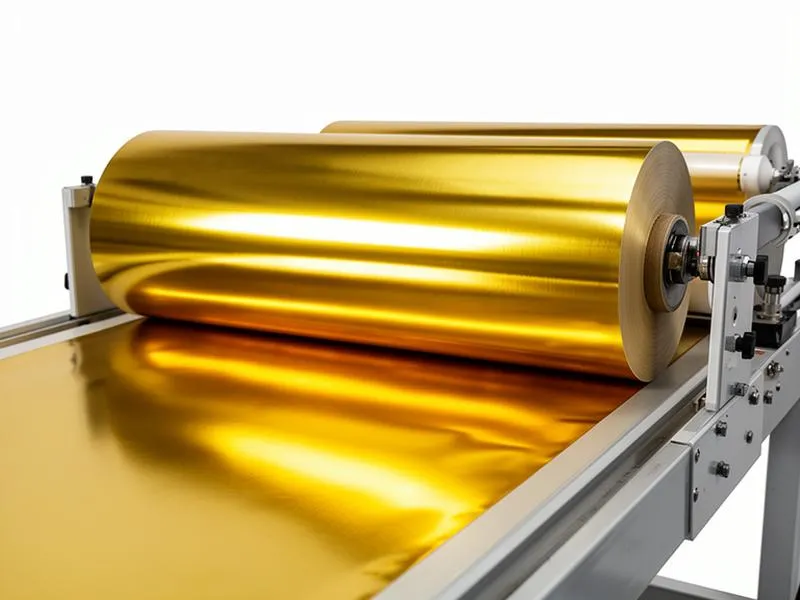
Premium Metallic Gold Hot Stamping Foil
Ultra-bright metallic gold foil with mirror-like reflection for premium packaging and label applications.
View product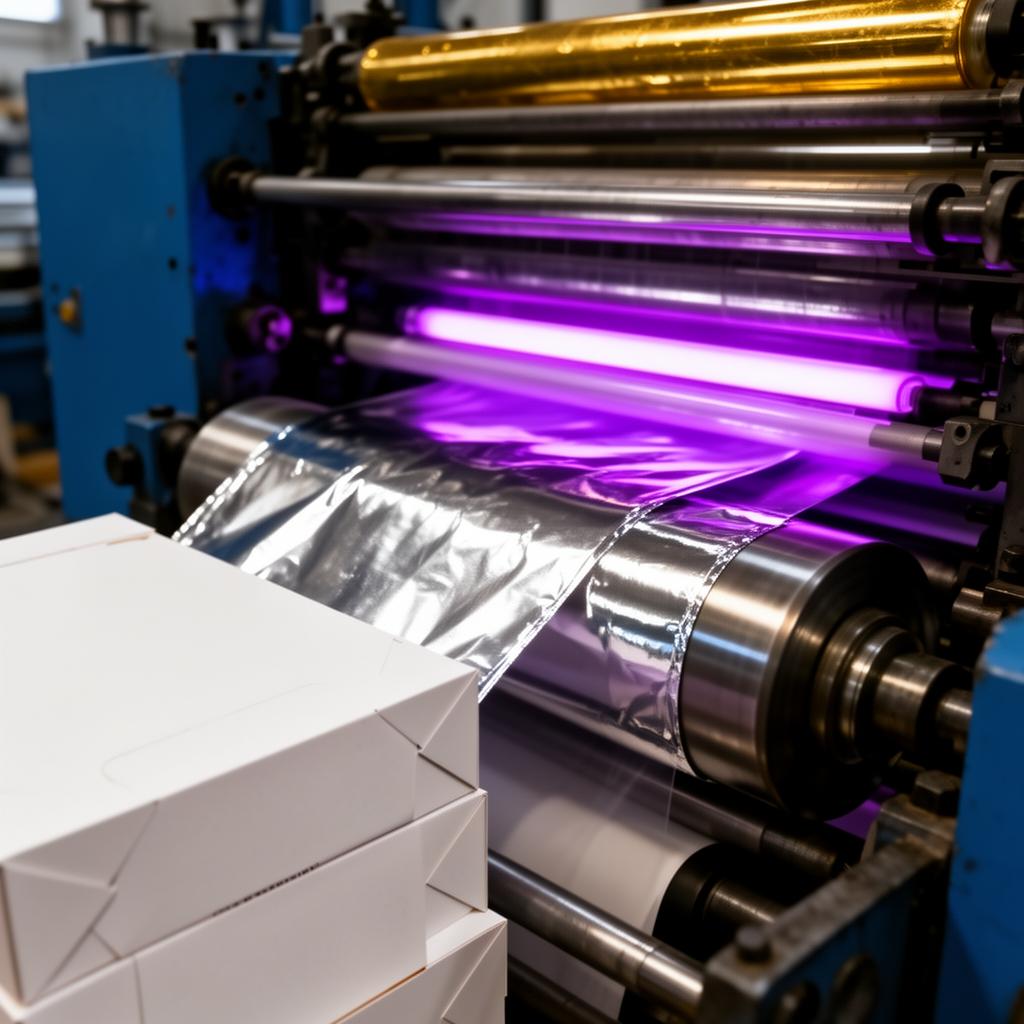
Cold Stamping Foil
Cold stamping foil for inline UV flexo and offset presses — no heat, no dies, up to 150 m/min with metallic, holographic and pigmented finishes.
View product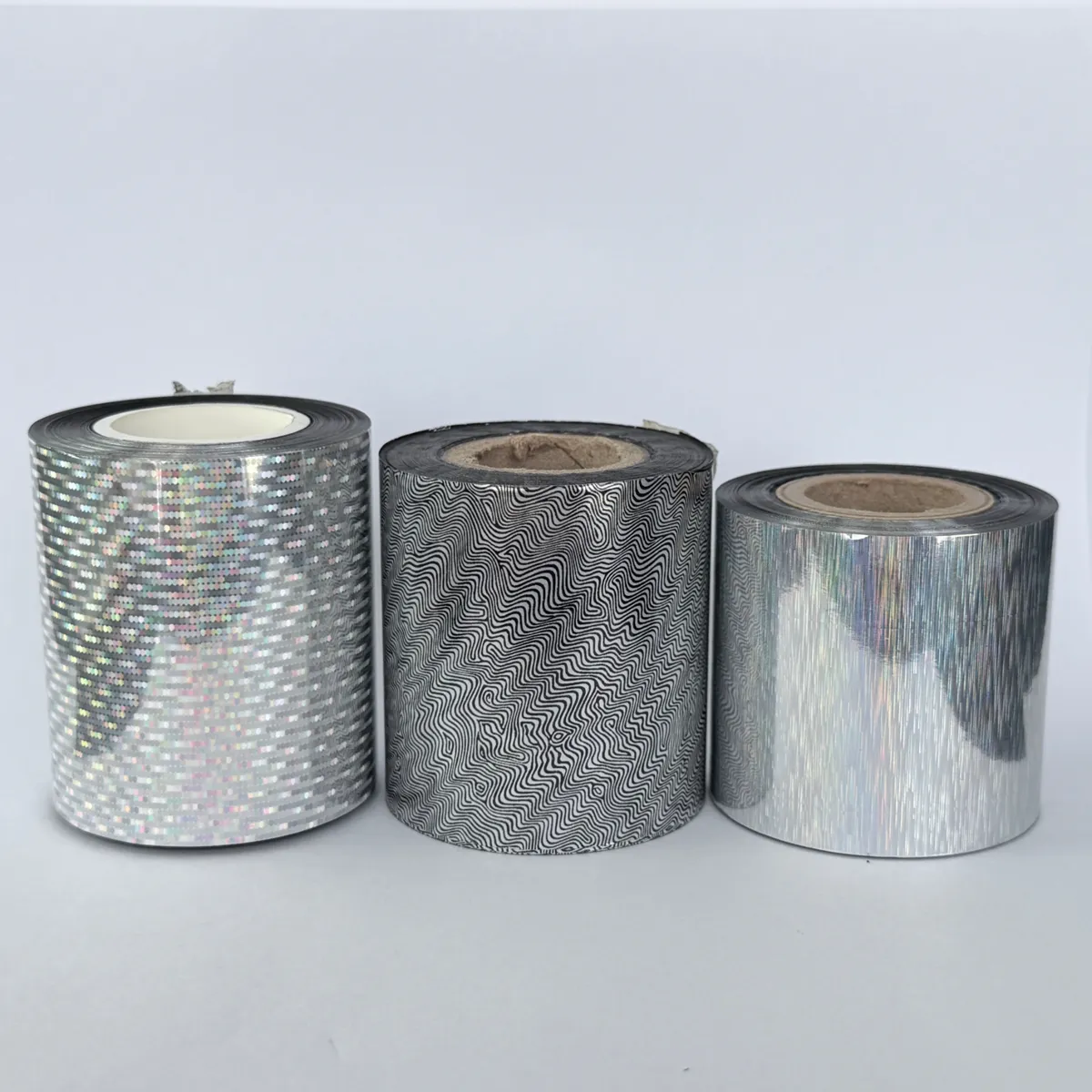
Scratch-Off Foil for Hot Stamping
High-opacity scratch-off foil for lottery tickets, gift cards and security labels — clean removal, no flaking, strong heat-seal bond to paper, cardstock and PVC.
View productRelated Articles
View all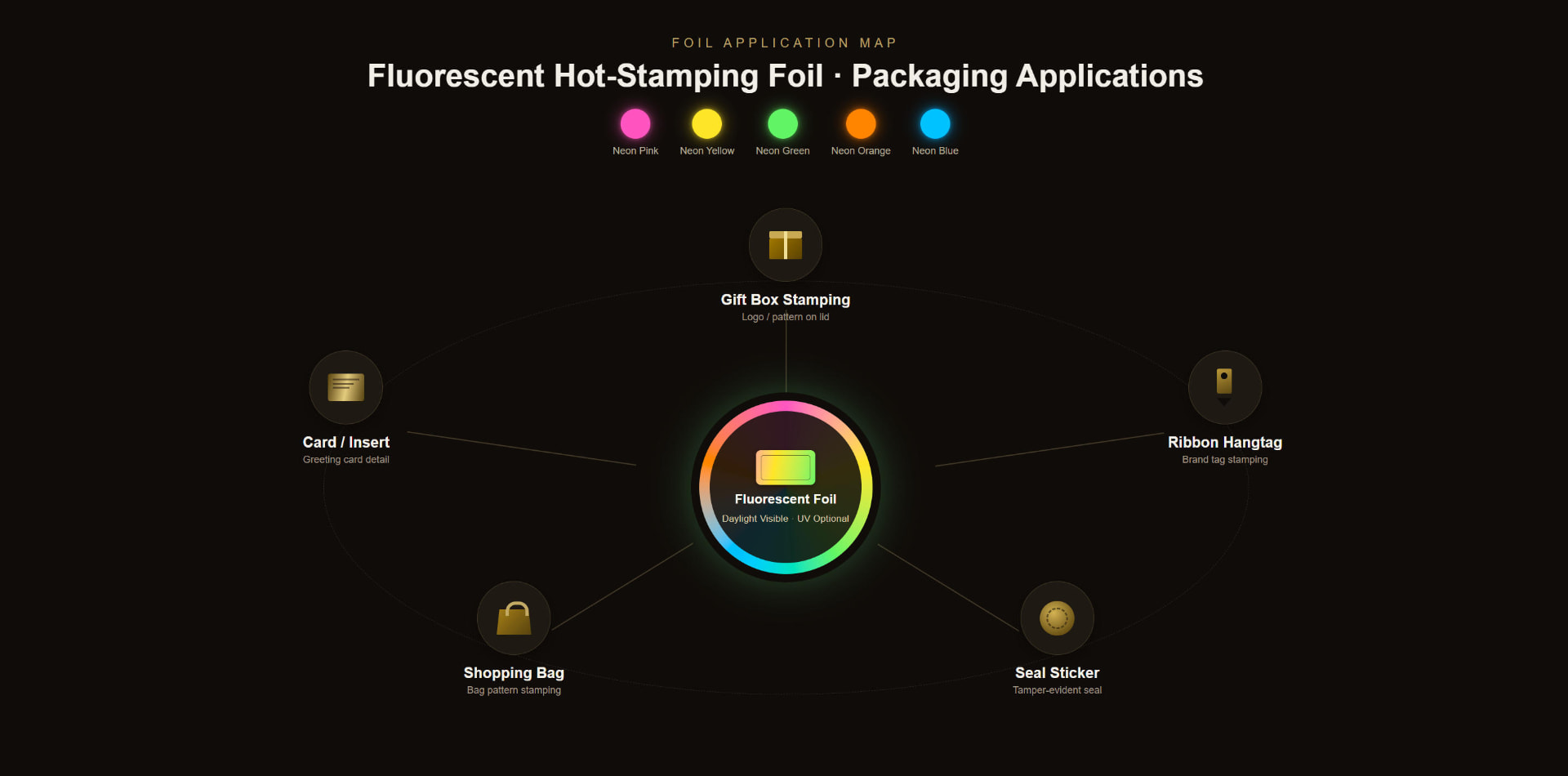
Technical Knowledge · Jul 28, 2026
Fluorescent Hot Stamping Foil: What It Is, How It Works, and When to Use It
A practical guide to fluorescent hot stamping foil — pigment chemistry, neon and UV-reactive grades, applications, lightfastness limits, and the five things to check before ordering for apparel, packaging or events.
Technical Knowledge · May 8, 2026
Hot Stamping Foil for Automotive Interiors Guide
Discover hot stamping foil for automotive interiors. This guide covers materials, specs, and OEM tests for durable car trim and logo decoration.
Technical Knowledge · Apr 20, 2026
Hot Stamping Foil for Paper Packaging: Buyer's Guide
Choose hot stamping foil for paper packaging with confidence. This guide helps buyers match foil to substrates and optimize stamping for luxury cartons.
Ready to source foil stamping and die-cutting from one supplier?
From stamping foils to post-press machines and die-cutting consumables — get factory-direct pricing and free samples.