
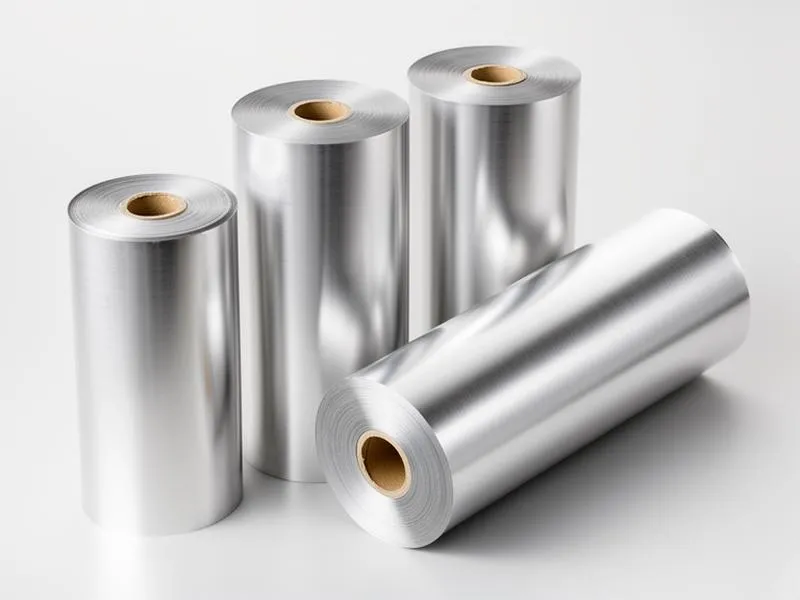
Discover the optimal hot stamping foil for ABS automotive interior parts. Meet 2026 OEM durability standards with our expert guide on advanced foils.
Table of Contents
As the automotive industry pivots toward more luxurious and sustainable cabin designs for 2026, Tier 1 suppliers are facing stricter quality mandates for decorative finishes. Choosing the correct hot stamping foil for ABS automotive interior parts is no longer just about aesthetics; it is a technical challenge involving chemical resistance, adhesion durability, and high-speed production efficiency. ABS (Acrylonitrile Butadiene Styrene) and its blends remain the industry standard for dashboards, door panels, and center consoles due to their impact resistance. However, the low surface energy and potential for plasticizer migration require a specific foil formulation. This guide examines the technical specifications, machinery requirements, and testing protocols necessary to achieve OEM-level decorative finishes on ABS automotive substrates.
The Technical Architecture of Automotive-Grade Foil
Unlike standard graphic arts foils, automotive-grade hot stamping foil is a multi-layered composite designed for high-stress environments. For ABS applications, the foil typically consists of a 12-16 micron polyester (PET) carrier film, a release layer, a protective lacquer, the metallic or pigment layer, and a specialized heat-activated adhesive layer. The adhesive layer is the most critical component for ABS; it must chemically bond with the polymer chains of the substrate at specific temperature windows to ensure the decoration remains intact for the 10-15 year vehicle lifespan.
When selecting a premium hot stamping foil for interior trim, engineers must prioritize the "hard coat" or protective lacquer. This layer must pass rigorous "Sun-Cream" tests and resist degradation from interior cleaning agents, common solvents, and UV exposure. In 2026, we are seeing a shift toward matte and satin finishes, such as matte silver hot stamping foil, which reduces glare on digital dashboard interfaces while maintaining a sophisticated metallic feel.
Key Specifications for ABS Hot Stamping
Success in automotive stamping depends on the "Trinity of Decoration": Temperature, Pressure, and Dwell Time. For ABS substrates, which have a glass transition temperature (Tg) typically ranging from 105°C to 110°C, the window for stamping is narrow. Excessive heat will cause substrate deformation (sink marks), while insufficient heat leads to "fuzzing" or incomplete foil transfer.
| Parameter | Standard Specification | Automotive Requirement (2026) |
|---|---|---|
| Carrier Thickness | 12 Microns | 16 - 19 Microns (for better heat distribution) |
| Stamping Temperature | 140°C - 160°C | 150°C - 180°C (Die Surface Temp) |
| Abrasion Resistance | 200 Cycles (RCA) | >500 Cycles (RCA Taper) |
| Adhesion (Cross-Hatch) | Grade 2B/3B | Grade 4B/5B (ASTM D3359) |
| Chemical Resistance | Alcohol/Water | Synthetic Sweat, Sunscreen, Hand Cream |
Machinery and Production Integration
Achieving consistent results on complex 3D geometries, such as curved dashboard panels or air vent surrounds, requires precision equipment. For high-volume automotive runs, the use of a fully automatic hot stamping machine is essential. These machines provide the necessary hydraulic pressure (often exceeding 250 tons/force) to ensure the foil penetrates the micro-texture of the ABS grain.
In addition to the stamping itself, the preparation and finishing of the plastic parts are paramount. If the ABS parts are being integrated into multi-layered panels with adhesive backings, ensuring the compatibility of self-adhesive films and the foil finish is critical to prevent delamination during heat cycles. For parts that require detailed post-processing, a precision embossing machine can be used to add tactile textures over the foiled surface, creating a 3D haptic experience popular in modern electric vehicle (EV) interiors.
The Role of Die Material
- Silicone Rubber Dies: Preferred for large-area coverage on ABS to compensate for slight variations in the plastic injection molding process. They provide a "cushion" effect that ensures even pressure across the dashboard.
Quality Control and Testing Standards
Automotive interiors are subject to extreme temperature fluctuations—from -40°C in winter to +90°C in direct sunlight in summer. The hot stamping foil for ABS automotive must survive these thermal shocks without cracking or peeling. At All-in Pack, we recommend the following testing regimen for Tier 1 suppliers:
- Thermal Ageing: 1000 hours at 80°C to ensure the adhesive bond does not degrade.
- Humidity Resistance: 240 hours at 40°C and 95% RH to check for oxidation of the aluminum layer.
- Cold Impact: Impact testing at -30°C to ensure the decorative layer remains flexible.
- Adhesion Testing: Utilizing 3M 610 tape for cross-hatch pull tests to ensure 0% foil lift.
For high-security components or branding, integrating an anti-counterfeit security foil within the decorative trim is becoming a standard practice for luxury brands to prevent the infiltration of "gray market" replacement parts.
Sustainability and the Future of ABS Decoration
Environmental compliance is driving the 2026 specifications. Traditional chrome plating (electroplating) is being phased out due to the toxic hexavalent chromium used in the process. Hot stamping foil provides a dry, VOC-free alternative that emulates the look of real chrome or brushed aluminum without the environmental footprint. Furthermore, modern foils are being developed to be compatible with PCR (Post-Consumer Recycled) ABS, which often has a slightly different surface tension than virgin resin. Suppliers must ensure their foil formulations can wet-out correctly on recycled substrates to maintain a premium finish.
Specify Your Project
Selecting the right decoration partner is critical for the success of your next vehicle program. Whether you are developing a high-gloss center console or a matte-finish door handle, All-in Pack provides the technical expertise and high-performance materials required for 2026 automotive standards. To discuss your specific substrate requirements or to request a sample of our automotive-grade foil, please contact our engineering team via our Technical Consultation Portal today. Our experts can assist with foil-to-substrate matching, machine calibration parameters, and comprehensive durability testing to ensure your interior components meet every OEM benchmark.
Frequently Asked Questions
Quick answers about automotive-foil.
Companion Products
Specs and samples for the products discussed in this article.
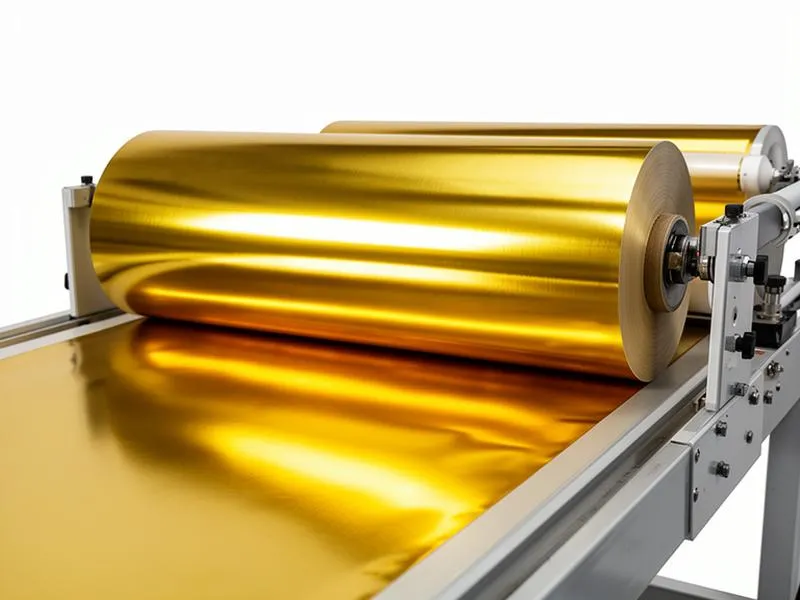
Premium Metallic Gold Hot Stamping Foil
Ultra-bright metallic gold foil with mirror-like reflection for premium packaging and label applications.
View product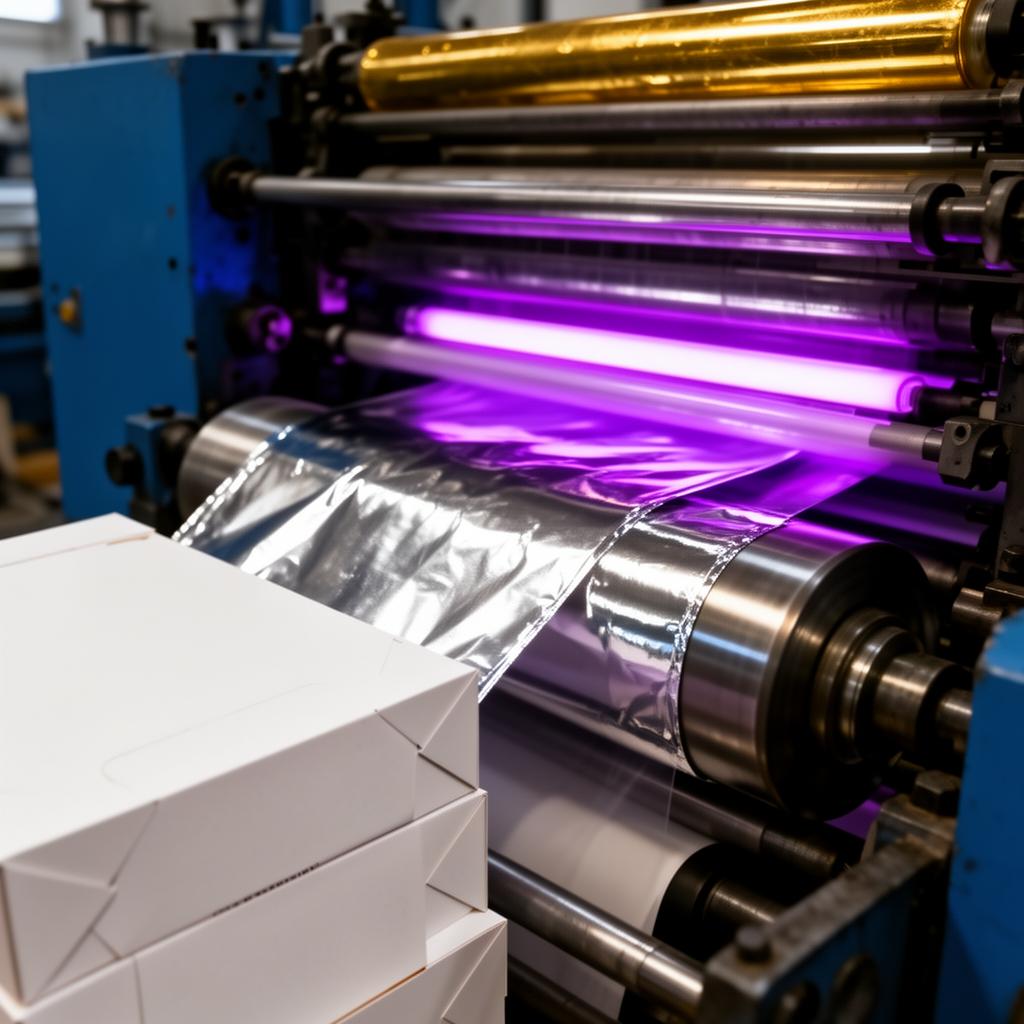
Cold Stamping Foil
Cold stamping foil for inline UV flexo and offset presses — no heat, no dies, up to 150 m/min with metallic, holographic and pigmented finishes.
View product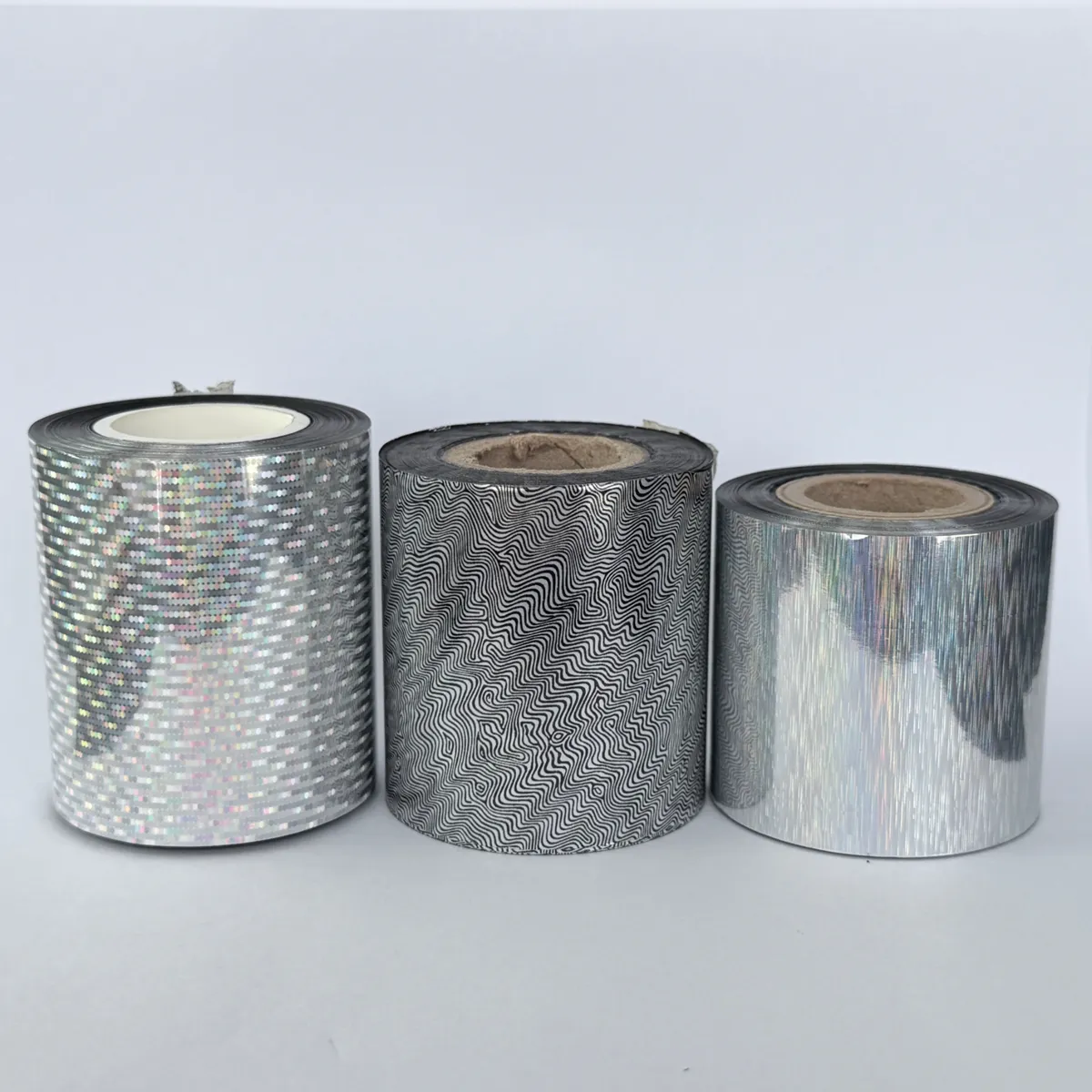
Scratch-Off Foil for Hot Stamping
High-opacity scratch-off foil for lottery tickets, gift cards and security labels — clean removal, no flaking, strong heat-seal bond to paper, cardstock and PVC.
View productRelated Articles
View all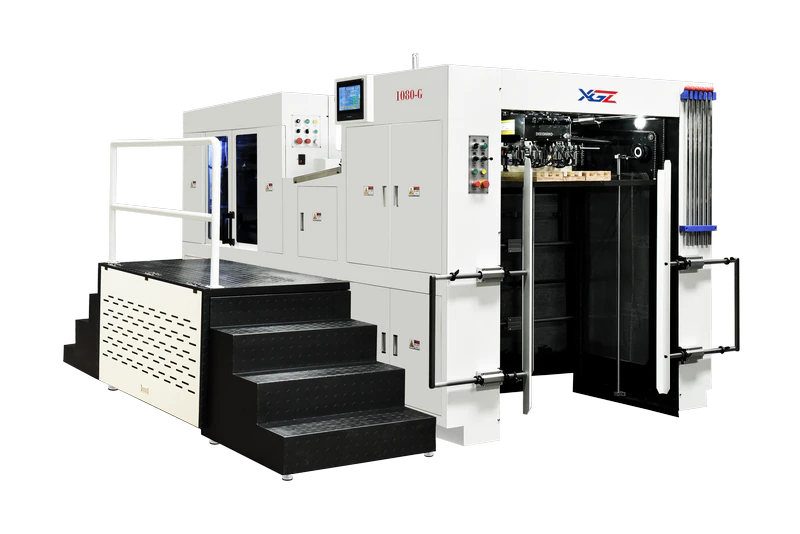
Technical Knowledge · Jun 1, 2026
Hot Foil Stamping Machine Buyer's Guide 2026
Navigate the best hot foil stamping machine for your business. This 2026 guide compares manual, semi-auto, and automatic models for optimal ROI.
Technical Knowledge · May 12, 2026
Hot Stamping Foil for Greeting Cards: Pricing Guide 2026
Unlock optimal pricing for hot stamping foil for greeting cards with our 2026 guide. Balance quality and cost for your stationery elegantly.
Technical Knowledge · May 21, 2026
Hot Stamping Foil Adhesion Testing: Guide
Ensure quality with our hot stamping foil adhesion testing guide. Includes ASTM tape pull, crockmeter, and rub methods for various substrates. Gain insights into pass/fail thresholds.
Ready to source foil stamping and die-cutting from one supplier?
From stamping foils to post-press machines and die-cutting consumables — get factory-direct pricing and free samples.