
Unlock optimal pricing for hot stamping foil for greeting cards with our 2026 guide. Balance quality and cost for your stationery elegantly.
Table of Contents
- The Technical Composition of Stationery Foil
- Material Specifications for Greeting Card Success
- Pricing Guide 2026: Market Variables
- The Premium for Specialty Finishes
- High-Volume Production vs. Short-Run Stationery
- Impact of Paper Texture on Foil Consumption
- Global Supply Chain Trends for 2026
- Choosing the Right Machinery for Quality Assurance
- Specify Your Project
- Frequently Asked Questions
For high-end stationery manufacturers and greeting card designers, the choice of hot stamping foil greeting cards is often the deciding factor between a premium retail price point and a discounted clearance item. As we approach 2026, the global stationery market is pivoting toward intricate, fine-line detailing and sustainable paper stocks, requiring foils that can adhere to textured, 300+ GSM uncoated boards without "bleeding" or losing adhesion. Navigating the pricing landscape is not just about the cost per square meter; it is about performance yield, heat sensitivity, and mechanical compatibility. At All-in Pack, we analyze the shifting costs of PET carriers and pigment resins to provide a definitive pricing guide that helps print shops maximize margins while delivering the brilliant gold and silver finishes wedding invitations demand.
The Technical Composition of Stationery Foil
Understanding the price of hot stamping foil greeting cards requires a breakdown of the material architecture. High-quality foil typically consists of five distinct layers, each contributing to the final cost and performance on stationery stocks like cotton rag or linen-textured paper.
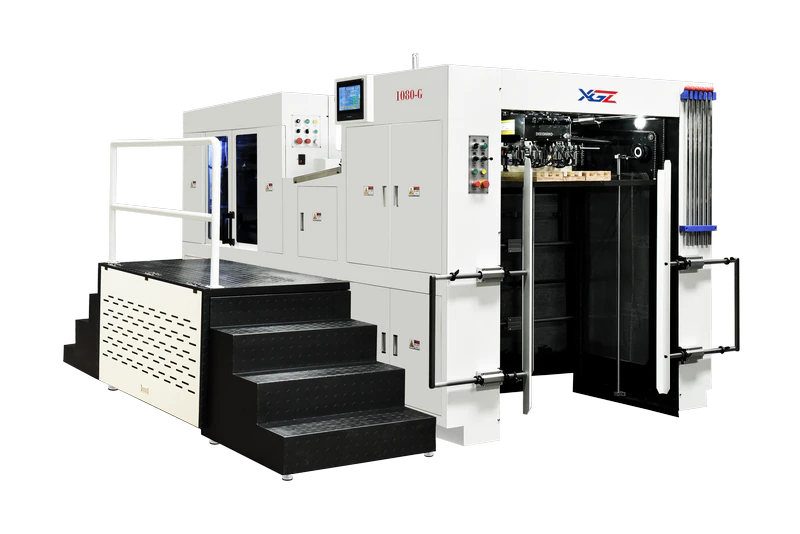
- Carrier Film: Usually a 12-micron to 16-micron polyester (PET) film. Thicker 16-micron films offer better tensile strength for high-speed machines like the XG1080G fully automatic hot stamping machine.
- Release Layer: A wax or resin layer that melts when the die hits the temperature set point (usually 110°C to 150°C).
- Color/Pigment Layer: For a premium metallic gold hot stamping foil, this involves vacuum-metallized aluminum or high-grade pigments.
- Adhesion Base: This is the most variable cost. Greeting cards often use porous, fibrous papers that require a "heavy" adhesive layer to fill the grain.
Material Specifications for Greeting Card Success
| Specification | Standard Range | Premium/Stationery Grade |
|---|---|---|
| PET Carrier Thickness | 12 micron (μm) | 16 micron (μm) for deep embossing |
| Stamping Temperature | 105°C - 125°C | 115°C - 150°C (for heavy textures) |
| Stamping Speed | 2,500 - 4,000 IPH | Up to 7,500 IPH (High-speed optimized) |
| Release Force | Medium | Easy to Medium (Clean edges on fine text) |
| Recommended Substrates | Coated Paper, PVC | Uncoated, Textured, 350 GSM+ Cardstock |
Pricing Guide 2026: Market Variables
As of late 2025 and projecting into 2026, pricing for stationery foil is influenced by three main factors: raw material volatility, specialty finishes, and roll dimensions. For standard metallic gold and silver, bulk pricing generally ranges from $0.08 to $0.15 per square meter when ordered in 640mm x 120m master rolls.
The Premium for Specialty Finishes
Standard metallics are the benchmark, but wedding invitations and luxury stationery often demand holographic rainbow foil or matte finishes. Matte silver hot stamping foil, often used for a modern, understated aesthetic, carries a 15-20% price premium over gloss gold due to the specialized matting agents used in the lacquer layer. Precision slitting also adds to the cost, especially when using an AF-1350 high-speed slitting machine to create narrow 1-inch or 2-inch rolls for specific border designs.
High-Volume Production vs. Short-Run Stationery
The pricing strategy changes significantly based on the equipment used. High-volume cards (50,000+ units) typically utilize traditional hot stamping. However, for personalized wedding invitations, many boutiques are turning to digital solutions. This creates a fork in the cost-benefit analysis:
- Traditional Hot Stamping: Requires a magnesium or brass die ($50-$200 per design). Lower foil cost per sq/m. Best for 1,000+ units.
- Digital Toner Reactive: Uses a digital toner reactive foil that adheres to laser printer toner. No die cost, but higher foil cost per sq/m. Ideal for 1-500 units.
For companies running large batches, maximizing efficiency on a TYM-1060 automatic embossing machine allows for "one-pass" foiling and debossing, which reduces labor costs by approximately 30% even if the foil material cost remains static.
Impact of Paper Texture on Foil Consumption
Greeting card gold foil must perform on substrates ranging from 200 GSM silk-coated paper to 600 GSM double-thick cotton board. The deeper the texture, the more "clogging" or "flaking" becomes a risk. To avoid waste, testers should look for foils with high "Definition and Coverage" ratings. If you are using a QZK-1370 hydraulic paper cutting machine to prep large sheets before foiling, ensure the foil has sufficient wax release to handle the heat buildup on the edges of the stack.
Global Supply Chain Trends for 2026
For 2026, we anticipate a tightening of environmental regulations regarding PET carriers. Many manufacturers are experimenting with thinner 10-micron carriers to reduce plastic waste, though these currently lack the stability for the high-pressure needs of the greeting card industry. Buyers should lock in yearly contracts to mitigate the projected 4-6% increase in energy-related manufacturing costs for vacuum metallization processes.
Choosing the Right Machinery for Quality Assurance
Price efficiency is tied to waste reduction. Using advanced machinery such as the XG1080G ensures that the foil tension is perfectly maintained, preventing wrinkling which can waste up to 15% of a roll on inferior setups. Furthermore, if your stationery includes self-adhesive elements, choosing the right matte white self-adhesive label paper ensures that the foil finish on the card matches the seal on the envelope, creating a cohesive brand experience.
Specify Your Project
Selecting the ideal hot stamping foil greeting cards requires balancing aesthetic brilliance with mechanical reliability. Whether you are producing high-speed commercial runs or artisanal luxury stationery, All-in Pack provides the technical expertise and competitive pricing needed for professional results. To receive a custom quote for your 2026 production needs, including bulk roll pricing and technical data sheets for specific GSM requirements, please contact our technical sales team here.
Frequently Asked Questions
Quick answers about hot-stamping-foil.
Companion Products
Specs and samples for the products discussed in this article.
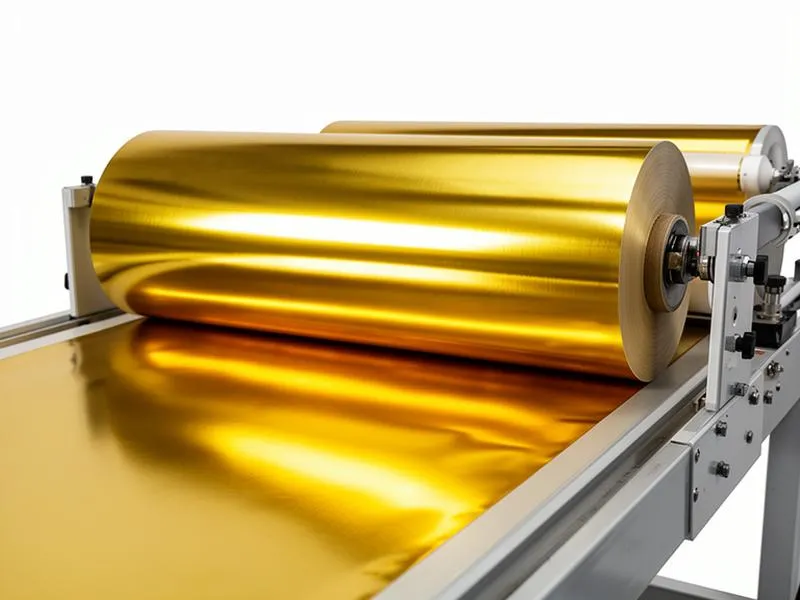
Premium Metallic Gold Hot Stamping Foil
Ultra-bright metallic gold foil with mirror-like reflection for premium packaging and label applications.
View product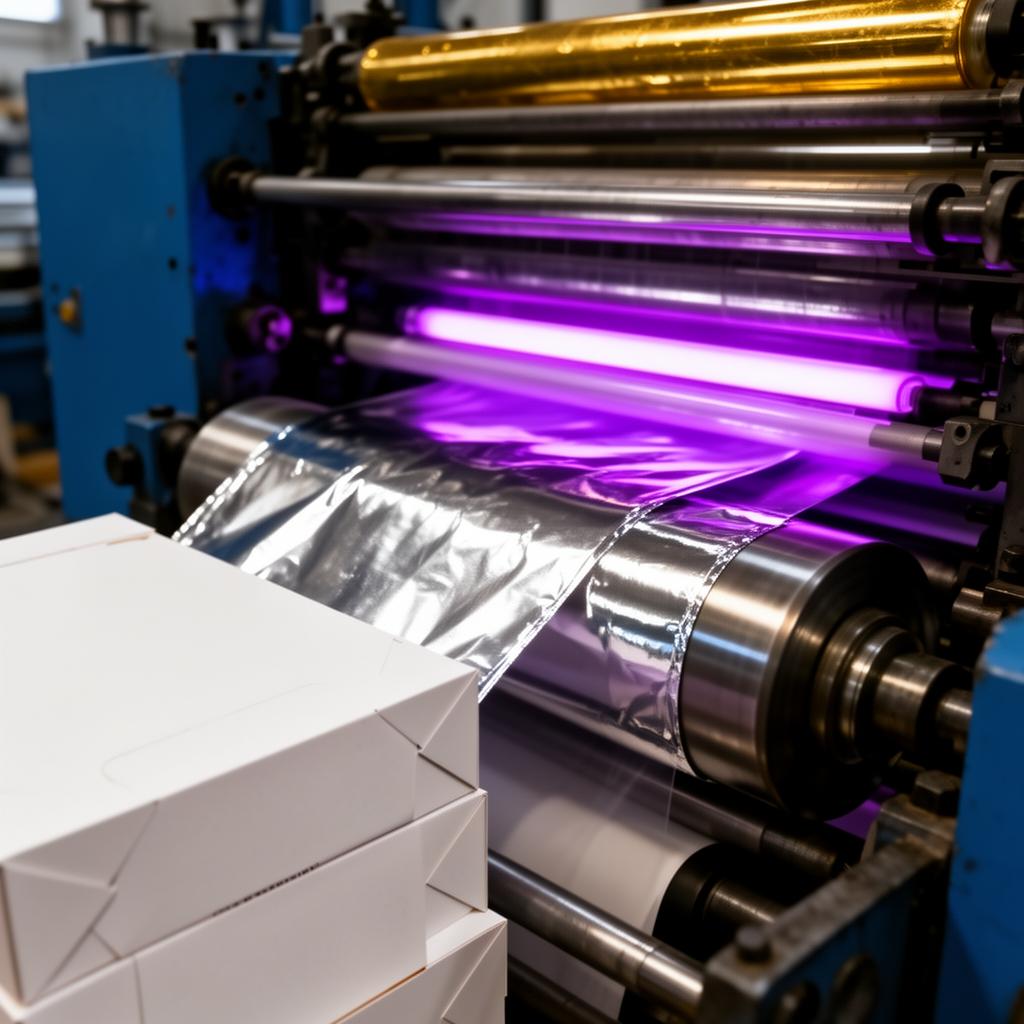
Cold Stamping Foil
Cold stamping foil for inline UV flexo and offset presses — no heat, no dies, up to 150 m/min with metallic, holographic and pigmented finishes.
View product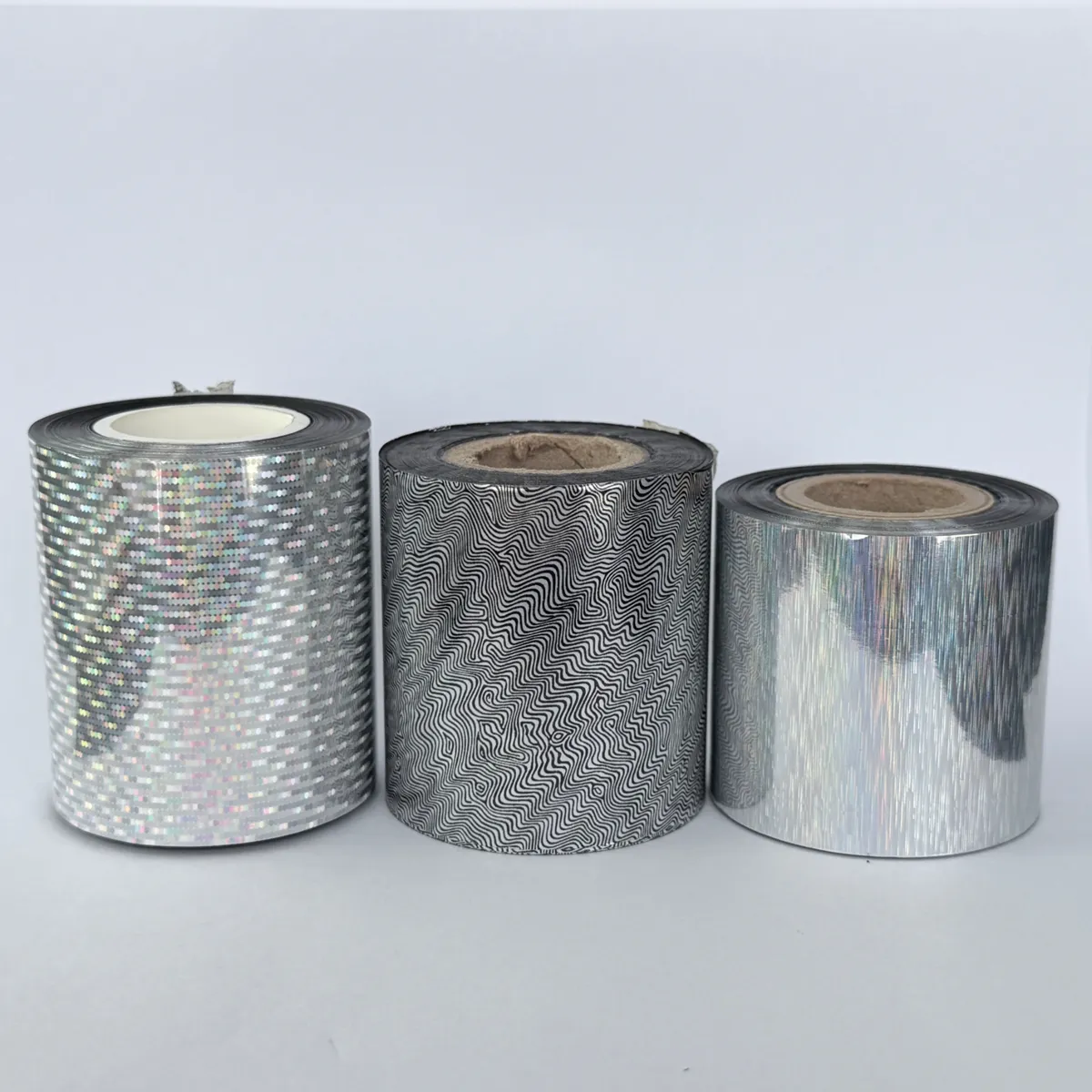
Scratch-Off Foil for Hot Stamping
High-opacity scratch-off foil for lottery tickets, gift cards and security labels — clean removal, no flaking, strong heat-seal bond to paper, cardstock and PVC.
View productRelated Articles
View allTechnical Knowledge · May 12, 2026
Hot Stamping Foil Price Per Roll 2026: Guide
Understand hot stamping foil price per roll for 2026. Explore bulk pricing, MOQs, and key cost drivers to optimize your procurement strategy and savings.
Technical Knowledge · May 12, 2026
Hot Stamping Foil for Electronics: Specs Guide
Choose the right hot stamping foil for electronics, ensuring durable branding for phone cases, logos, and nameplates. Get high-performance results for your products.
Technical Knowledge · Jun 1, 2026
Hot Foil Stamping Machine Buyer's Guide 2026
Navigate the best hot foil stamping machine for your business. This 2026 guide compares manual, semi-auto, and automatic models for optimal ROI.
Ready to source foil stamping and die-cutting from one supplier?
From stamping foils to post-press machines and die-cutting consumables — get factory-direct pricing and free samples.