
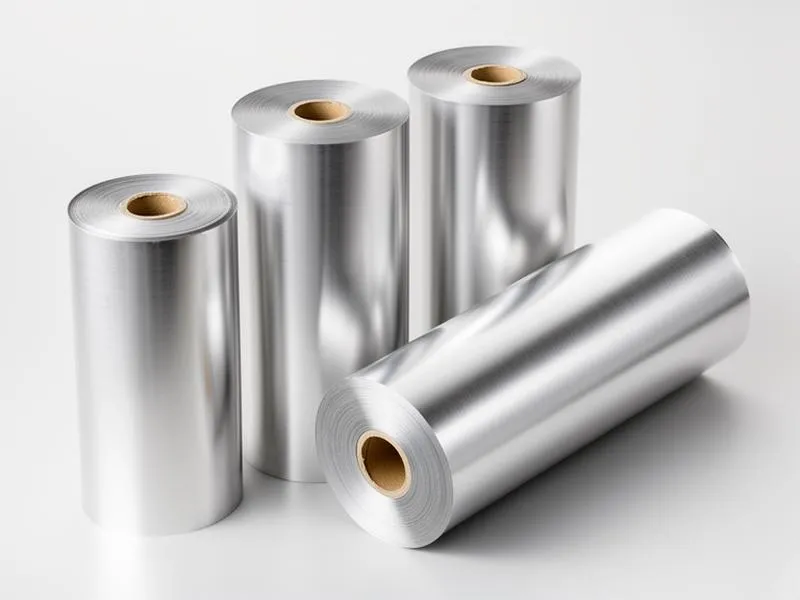
Choose the right hot stamping foil for electronics, ensuring durable branding for phone cases, logos, and nameplates. Get high-performance results for your products.
Table of Contents
- The Physics of Electronics Grade Foils
- Comparison: Foil Grade Specifications for Electronics
- Phone Case Foiling: Flexibility and Adhesion
- Laptop Logo and Nameplate Precision
- The Machine Factor: Achieving 0.1mm Precision
- Testing Protocols for Consumer Electronics
- Specify Your Project
- Frequently Asked Questions
In the high-stakes consumer electronics market, brand identity is inextricably linked to visual and tactile quality. Whether it is the metallic logo on a high-end laptop or the intricate branding on a polyurethane (PU) phone case, the durability and precision of the finish are non-negotiable. Selecting the right hot stamping foil for electronics requires a technical understanding of substrate adhesion, chemical resistance, and thermal tolerance. At All-in Pack, we engineer foils designed to withstand daily friction, hand oils, and environmental stressors while maintaining high-definition resolution. This guide breaks down the critical specifications for foil application on electronic components, ensuring that your production line delivers premium aesthetic results without compromising the mechanical integrity of the plastic or composite housings.
The Physics of Electronics Grade Foils
Unlike standard industrial foils, electronics nameplate foil must adhere to low-surface-energy plastics like ABS, PC (Polycarbonate), and high-impact polystyrene (HIPS). The carrier layer typically consists of a 12-micron polyester (PET) film, which provides the necessary tensile strength for high-speed application without breaking. The layering sequence is critical: a release coat (0.5–1.0 micron), a color/metal layer (0.02–0.05 micron vacuum-metallized aluminum), and most importantly, a heat-activated adhesive layer (1.5–3.0 microns).
For electronics, the adhesive layer is formulated to target specific melting points. While a standard premium metallic gold hot stamping foil might work for paper, electronics require a "harder" adhesive that offers superior abrasion resistance (RCA abrasion test > 200 cycles) and alcohol resistance (95% Ethanol rub test > 50 cycles).
Comparison: Foil Grade Specifications for Electronics
The following table outlines the technical parameters required for common electronic branding applications. These specs ensure that your xg1080g fully automatic hot stamping machine or similar equipment is calibrated for peak performance.
| Application | Substrate Type | Stamping Temp (°C) | Dwell Time (sec) | Pressure (kgf/cm²) | Key Requirement |
|---|---|---|---|---|---|
| Laptop Logo Foil | ABS / PC Alloy | 130 – 160 | 0.5 – 1.2 | 40 – 60 | Alcohol Resistance |
| Phone Case Foil | TPU / PU / Silicone | 110 – 140 | 0.3 – 0.8 | 30 – 50 | High Flexibility |
| Nameplates | Anodized Alum / PET | 150 – 180 | 1.0 – 2.0 | 60 – 80 | Fine Detail Release |
| Charger Blocks | Flame Retardant ABS | 140 – 165 | 0.5 – 1.0 | 45 – 55 | Heat Stability |
Phone Case Foiling: Flexibility and Adhesion
Contemporary phone cases use complex materials like Thermoplastic Polyurethane (TPU) and Liquid Silicone Rubber (LSR). These materials are chosen for drop protection, but their flexibility poses a challenge for traditional foils. A standard foil will crack when the case is flexed. To combat this, phone case foil utilizes a modified acrylic resin in the adhesive layer that allows for a 15-20% elongation rate without delamination or cracking.
When applying logos to silicone cases, a specialized primer or a dual-pass stamping process is often required. For those utilizing digital customization for small batches, a digital toner reactive foil can be an effective alternative, though mass production still favors physical dies on an embossing machine to achieve the "stamped-in" depth consumers associate with quality.
Laptop Logo and Nameplate Precision
The visual centerpiece of any laptop is the lid logo. Laptop logo foil must achieve "perfect release" – a technical term meaning the foil shears cleanly at the edge of the die without leaving "flash" (excess foil) or "pinholes" (missing foil bits). This is particularly difficult with matte silver hot stamping foil, which has a higher pigment load that can impede clean shearing.
- Fine Line Resolution: For nameplates with text as small as 4pt, we recommend foils with a "short" release mechanism.
- Chemical Barrier: Electronics are frequently cleaned. The foil must resist hand creams, sweat, and cleaning agents. All-in Pack’s electronics-grade foils include a protective top-coat that is cross-linked during the heat-stamping process.
- Color Consistency: Brands like Apple, Dell, and Lenovo require Delta E color deviations of less than 0.8 across production batches. Check our matte silver options for industry-standard metallic finishes.
The Machine Factor: Achieving 0.1mm Precision
Even the highest grade hot stamping foil for electronics will fail if the equipment cannot maintain thermal and pressure equilibrium. A temperature fluctuation of just +/- 5°C can lead to either poor adhesion (too cold) or "boiling" (too hot), where the metallic layer oxidizes and loses its luster. For large-scale manufacturing, using an integrated slitting solution like the af-1350 high-speed slitting machine ensures that foil rolls are tensioned correctly, preventing wrinkles during the stamping phase.
If your project involves high-volume nameplates or serial number tags, you may also consider integrating synthetic PP/PET self-adhesive labels. These substrates are often foiled first and then die-cut using a mq-1060 automatic flatbed die-cutting machine to create the finished component used in assembly.
Testing Protocols for Consumer Electronics
Before any foil is approved for an electronics SKU, it must pass a battery of standard industry tests:
- Tape Test (ASTM D3359): Using 3M 610 tape, the foil must show 0% removal from the substrate.
- RCA Abrasion: An internal standard for many OEMs. The foil must withstand 200 cycles under a 175g load.
- Thermal Cycling: Exposure to -40°C to +70°C for 96 hours to ensure the coefficient of thermal expansion (CTE) of the foil matches the plastic.
- Artificial Sweat Test: Essential for phone case foil, ensuring the acidity of human skin does not tarnish the metallic finish over a 24-hour exposure period.
Specify Your Project
Choosing the correct hot stamping foil for electronics is a balance of chemistry and mechanics. Whether you are developing a new line of ergonomic laptop housings or high-durability mobile accessories, our technical team can provide the specific TDS (Technical Data Sheets) for our electronics-grade foils. We provide custom-slit widths from 10mm to 1300mm to match your tooling perfectly. Contact us today to request samples or a quote for your specific substrate—reach out at All-in Pack Product Support.
Frequently Asked Questions
Quick answers about hot-stamping-foil.
Companion Products
Specs and samples for the products discussed in this article.
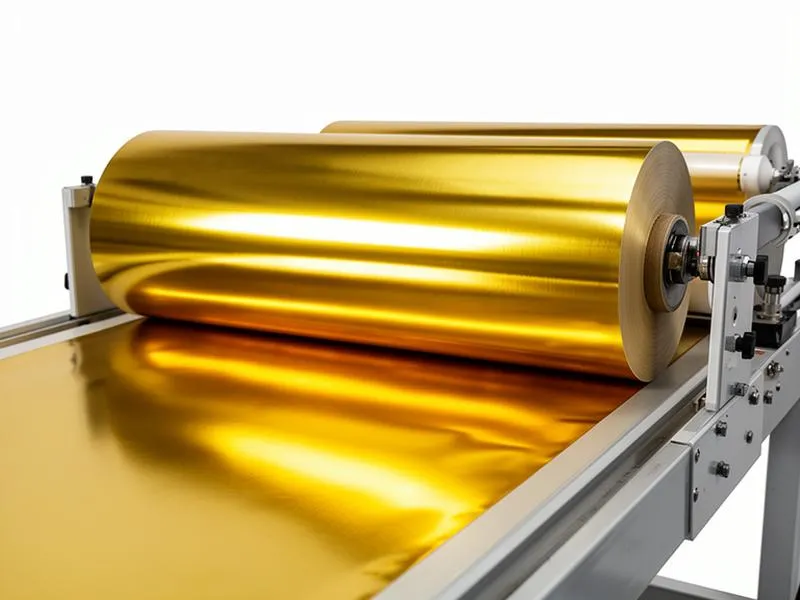
Premium Metallic Gold Hot Stamping Foil
Ultra-bright metallic gold foil with mirror-like reflection for premium packaging and label applications.
View product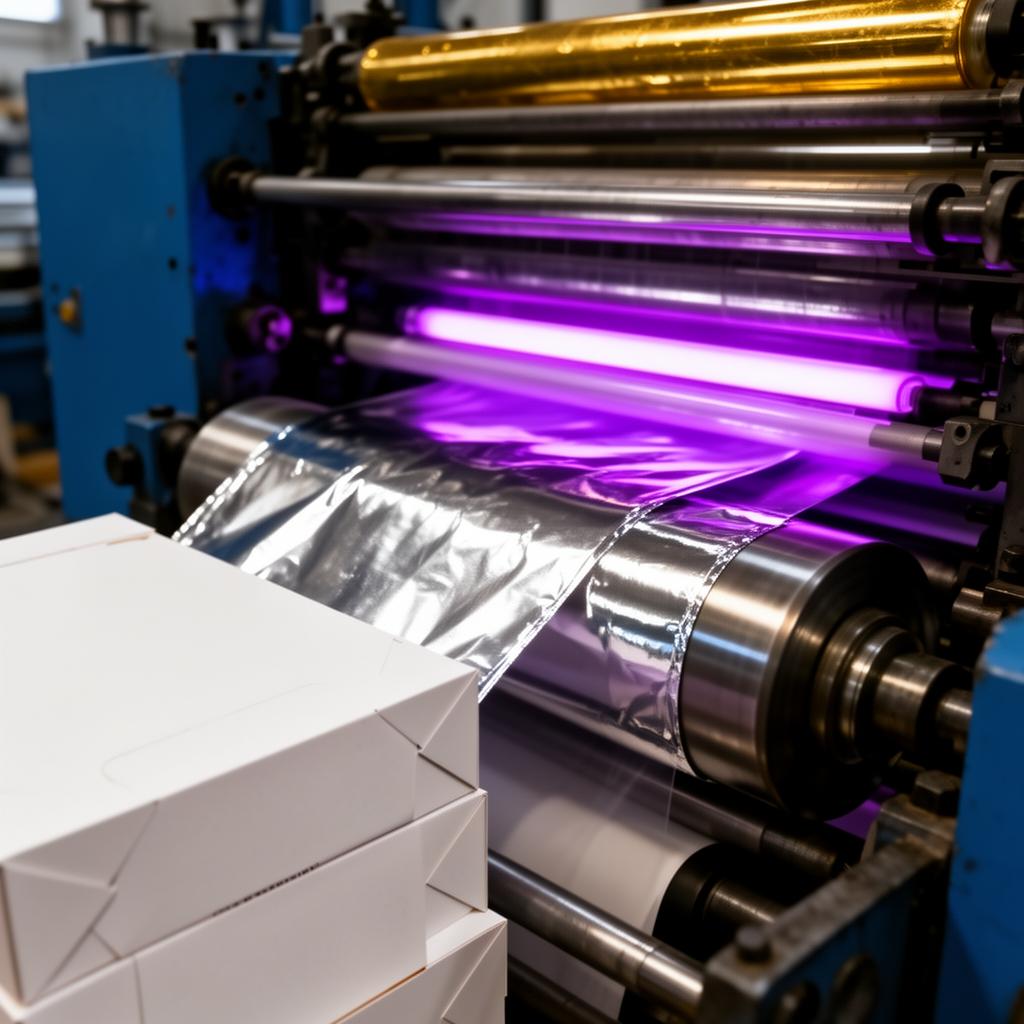
Cold Stamping Foil
Cold stamping foil for inline UV flexo and offset presses — no heat, no dies, up to 150 m/min with metallic, holographic and pigmented finishes.
View product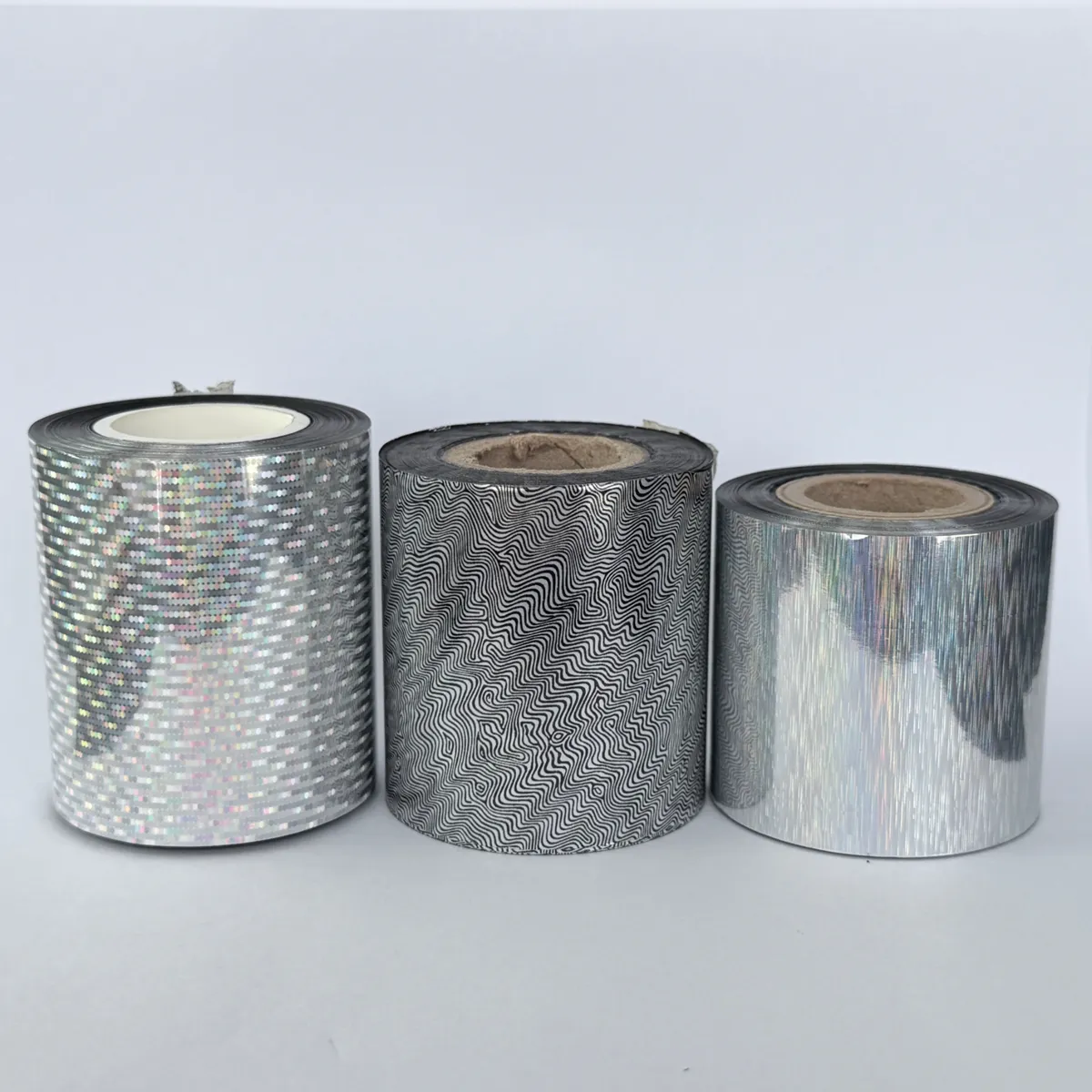
Scratch-Off Foil for Hot Stamping
High-opacity scratch-off foil for lottery tickets, gift cards and security labels — clean removal, no flaking, strong heat-seal bond to paper, cardstock and PVC.
View productRelated Articles
View all
Technical Knowledge · May 12, 2026
Hot Stamping Foil Roll Sizes & Specs Chart
Optimize production now with our hot stamping foil roll size chart, covering widths, lengths, and core specs for machine compatibility.
Technical Knowledge · May 12, 2026
Hot Stamping Foil for Greeting Cards: Pricing Guide 2026
Unlock optimal pricing for hot stamping foil for greeting cards with our 2026 guide. Balance quality and cost for your stationery elegantly.
Technical Knowledge · May 12, 2026
Hot Stamping Foil Price Per Roll 2026: Guide
Understand hot stamping foil price per roll for 2026. Explore bulk pricing, MOQs, and key cost drivers to optimize your procurement strategy and savings.
Ready to source foil stamping and die-cutting from one supplier?
From stamping foils to post-press machines and die-cutting consumables — get factory-direct pricing and free samples.