
Troubleshoot common hot stamping foil defects like pinholes and ghosting. This guide helps press operators achieve optimal quality and reduce waste.
Hot stamping is unforgiving: a 5 °C drift, a 0.1 s dwell change or an out-of-spec stamping foil grade is enough to turn a sharp gold logo into a pinholed mess. This 2026 troubleshooting guide indexes the 12 defects we see most often across electronics, cosmetics, PVC cards and wine label jobs — each with the most likely root cause, the second-most likely cause, and the press setting to change first.
1. Pinholes / speckling
Symptom: Tiny unstamped dots across the foiled area.
Primary cause: Substrate dust or fiber pickup. Clean the substrate with antistatic brush and inspect the foil for embedded particles.
Secondary: Pressure too low — raise 0.5–1.0 bar; or foil release coat too hard (switch grade).
2. Weak or fuzzy edges
Primary cause: Die temperature low (raise 5–10 °C). Secondary: Foil tension too loose — pull tension should be 8–12 N for <200 mm widths.
3. Ghosting / double image
Foil pull-off is mistimed: the foil web hasn't advanced between strokes. Re-check the index pull length (typically image height + 2 mm) on your XG1080G hot stamping press.
4. Foil "tail" (filament)
A thin strand of foil dragging from the edge — caused by dwell time too long. Reduce dwell 0.05–0.10 s, or chill the die-edge zone.
5. Color shift between rolls
Common with metallic gold and copper foils. Demand a single master-batch lot number per job, and reject any roll with a ΔE > 2.0 versus the master swatch.
6. Poor adhesion (lifts on tape pull)
See our dedicated adhesion testing guide. Quick fix: temperature +5 °C, dwell +0.1 s.
7. "Sparkles" on holographic foil
Diffraction grating damage from over-temperature. Holographic foils run 10–20 °C cooler than solid metallics — typically 95–110 °C. Use holographic rainbow foil within its rated window.
8. Orange peel / texture
Foil over-stamped beyond its design pressure. Either reduce pressure or switch to a foil with a softer release coat. Common on glossy greeting card stocks.
9. Web tearing in-press
Excess unwind tension, sharp brake stops, or worn idler bearings. Inspect the foil unwind on your AF-1350 slitting line if it was slit in-house.
10. Foil refuses to release
Substrate temperature too low or surface energy too low. Pre-heat plastics 5–10 °C above ambient, or apply corona/primer for PP and PE.
11. Color burn / darkening
Temperature 15–25 °C above the foil's rated maximum. Always read the foil tech sheet before changing dies; pigmented solid-color foils are especially heat-sensitive.
12. Wrinkles / creases in the foil web
Misaligned idler rollers or worn unwind shaft bearings. Run a paper tension trace and re-align rollers to within ±0.2 mm.
Quick root-cause matrix
| If you see… | Adjust first | Then check |
|---|---|---|
| Pinholes | Substrate cleanliness | Pressure |
| Weak edges | Temperature +5–10 °C | Foil tension |
| Ghosting | Foil index/pull length | Die alignment |
| Foil tail | Dwell −0.05 s | Edge cooling |
| Color shift | Single lot number | ΔE measurement |
| Sparkles (holo) | Temperature −10 °C | Pressure |
| Orange peel | Pressure −0.5 bar | Foil release grade |
| Web tearing | Unwind tension | Bearings |
Recommended foils & equipment
For predictable runs, qualify your job on Premium Metallic Gold Foil or Matte Silver Foil, and use the XG1080G fully-automatic hot stamping machine for ±1 °C and ±0.05 s dwell control. Need a process audit? Send us a defect sample and our application engineers will return a written root-cause report within 48 hours.
Frequently Asked Questions
Quick answers about hot stamping.
Companion Products
Specs and samples for the products discussed in this article.
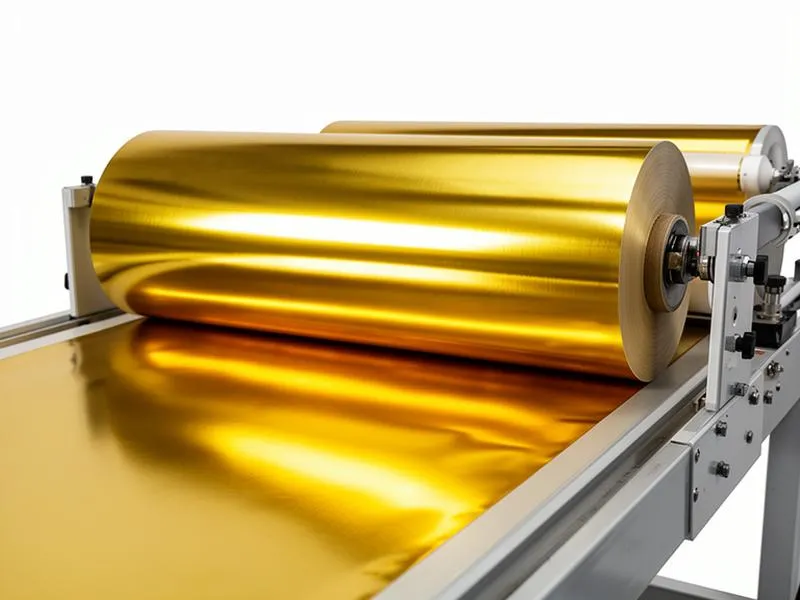
Premium Metallic Gold Hot Stamping Foil
Ultra-bright metallic gold foil with mirror-like reflection for premium packaging and label applications.
View product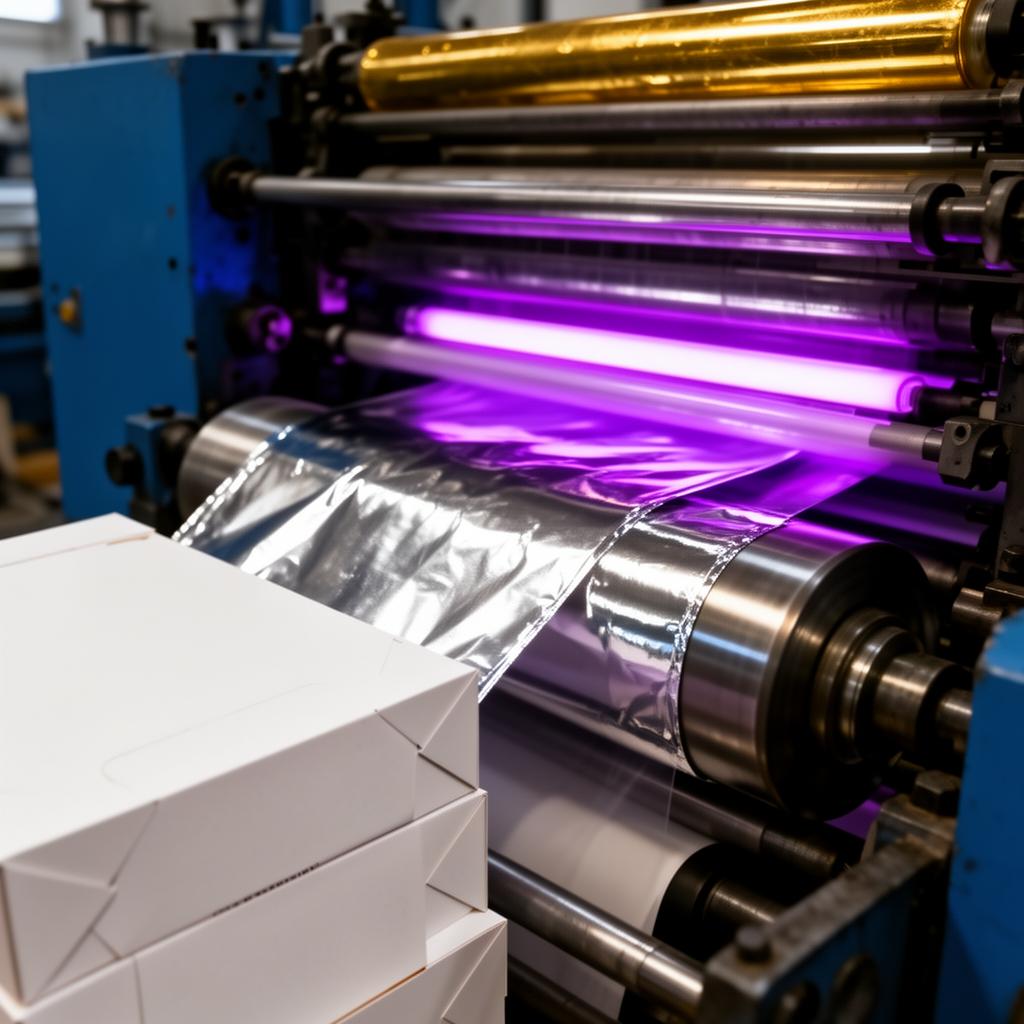
Cold Stamping Foil
Cold stamping foil for inline UV flexo and offset presses — no heat, no dies, up to 150 m/min with metallic, holographic and pigmented finishes.
View product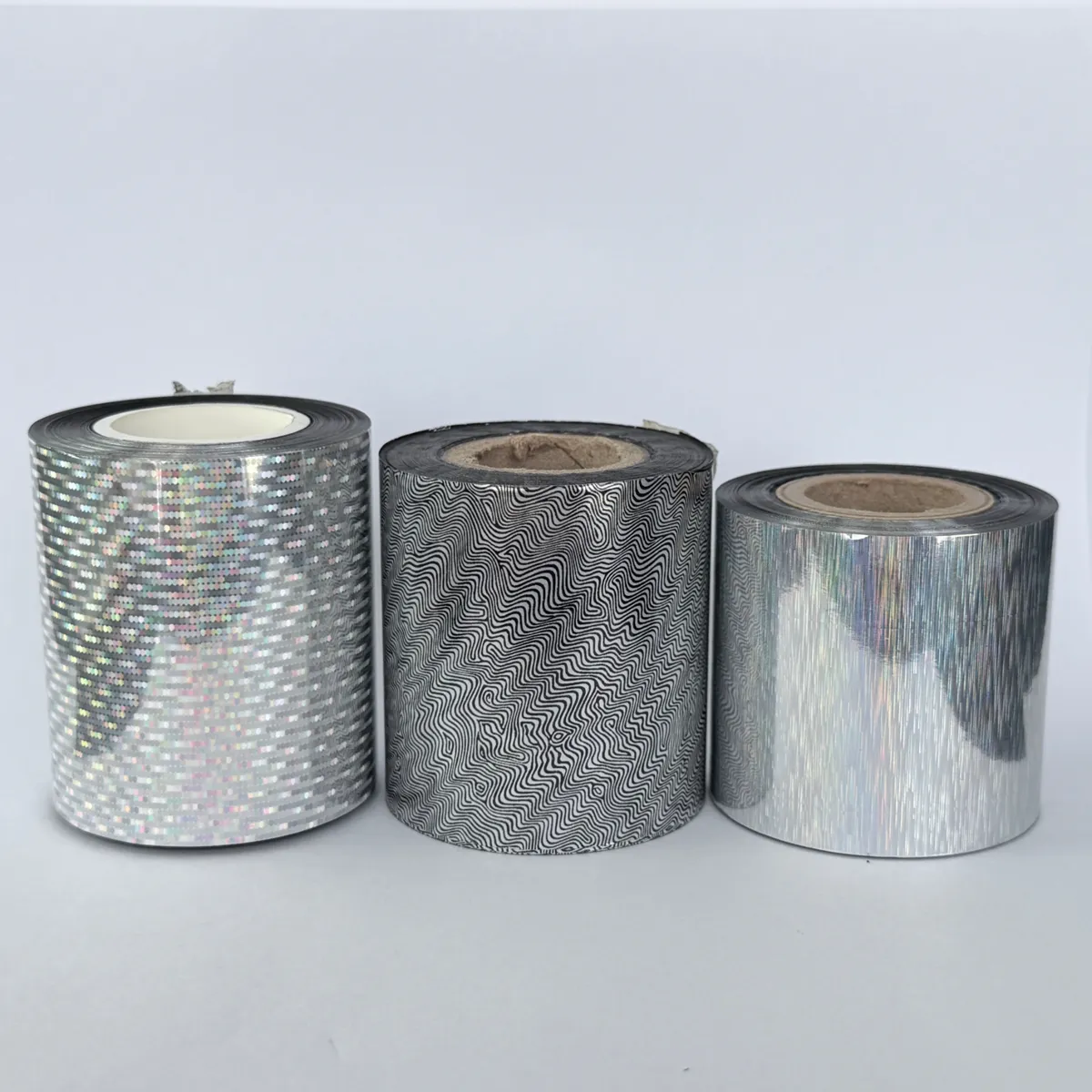
Scratch-Off Foil for Hot Stamping
High-opacity scratch-off foil for lottery tickets, gift cards and security labels — clean removal, no flaking, strong heat-seal bond to paper, cardstock and PVC.
View productRelated Articles
View allTechnical Knowledge · May 21, 2026
Hot Stamping Foil Adhesion Testing: Guide
Ensure quality with our hot stamping foil adhesion testing guide. Includes ASTM tape pull, crockmeter, and rub methods for various substrates. Gain insights into pass/fail thresholds.
Technical Knowledge · May 21, 2026
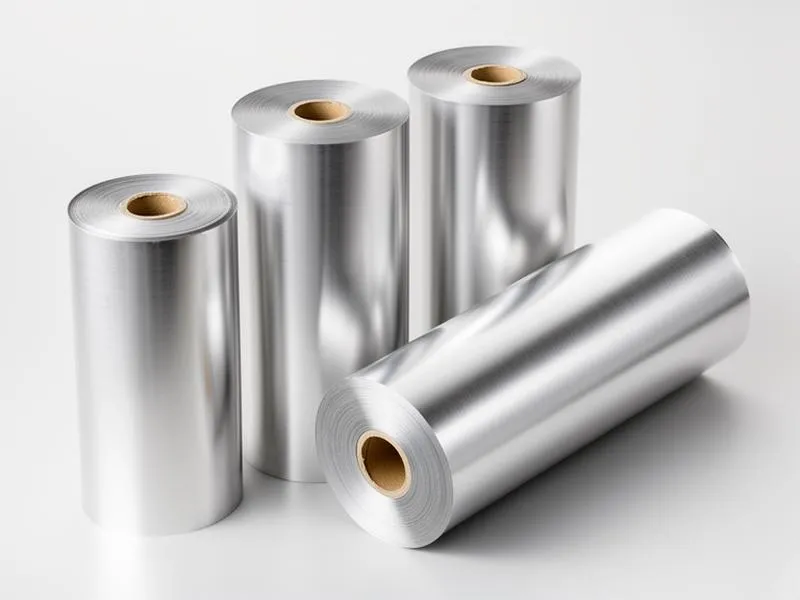
Hot Stamping Foil Storage: Shelf Life Best Practices
Optimize hot stamping foil storage to protect its 24-month shelf life. Learn ideal temperature, humidity, and inventory management for best results.
Technical Knowledge · May 12, 2026
Hot Stamping Defects: Troubleshooting Pinholes & Tearing
Troubleshoot common hot stamping defects like pinholes, adhesion loss, and tearing. Optimize your process for flawless results with stamping foils.
Ready to source foil stamping and die-cutting from one supplier?
From stamping foils to post-press machines and die-cutting consumables — get factory-direct pricing and free samples.