
Elevate wine & spirits labels with hot stamping foil. Explore pearlized and holographic options for stunning visual appeal and brand differentiation.
Table of Contents
In the luxury beverage sector, the label is the primary catalyst for a consumer's purchasing decision. High-end vintages and premium spirits rely on tactile and visual cues to convey heritage, quality, and price point. Hot stamping foil for wine labels remains the gold standard for achieving these effects because of its ability to produce deep metallic luster and crisp fine-line details that digital alternatives cannot match. For manufacturers and brand owners, the choice often narrows down to two distinct aesthetic categories: the understated elegance of pearlized (semi-transparent) foils and the high-impact, multi-dimensional allure of holographic foils. Selecting between them requires not just an aesthetic vision, but a technical understanding of the substrate, the stamping machinery, and the post-press finishing requirements.
Technical Specifications: Pearlized vs. Holographic Foils
From a chemical and structural standpoint, both foils utilize a multi-layer construction including a carrier (typically 12μm or 16μm PET), a release layer, a color layer, and an adhesive coat. However, the light-diffraction properties differ significantly. Pearlized foils utilize semi-translucent pigments that allow the texture of the underlying matte white self-adhesive label paper to remain visible, creating a soft, shimmering finish similar to nacre. In contrast, holographic foils incorporate micro-embossed patterns into the lacquer layer to refract light into the full spectral range.
| Feature | Pearlized Hot Foil | Holographic Foil |
|---|---|---|
| Carrier Thickness | 12 μm Polyester | 16 μm Polyester |
| Stamping Temp (Platen) | 110°C – 130°C | 115°C – 145°C |
| Release Property | Easy to Medium | Hard to Medium |
| Overprintability | Excellent (UV/Offset) | Variable (requires primer) |
| Abrasion Resistance | High | Very High |
| Recommended Substrate | Uncoated/Textured Paper | Coated Paper/Synthetic PP |
The Aesthetic Case for Pearlized Foil
Pearlized foils are increasingly preferred for white wines, rosés, and organic spirits where a "natural" or "sophisticated" look is desired. Because they lack the high-contrast reflection of traditional gold hot stamping foil, they provide a ghostly, elegant shimmer that changes as the bottle is rotated. Technicians should note that pearlized foils often require a precision fully automatic hot stamping machine to ensure consistent pressure, as the subtle color can highlight uneven die-strike more prominently than opaque foils.
- Best for: Chardonnay, Sauvignon Blanc, and Gin labels.
- Technical Tip: Use pearlized foil on 90-100 GSM textured felt papers for maximum tactile depth.
- Compatibility: Excellent for fine-line scripts and intricate filigree.
Holographic Foils: Impact and Security
For the spirits market—specifically whiskey, vodka, and cognac—holographic foils serve a dual purpose: shelf-standout and anti-counterfeiting. Using a holographic rainbow foil can create a movement effect that catches the harsh lighting of retail environments. Furthermore, integrating custom patterns can act as a primary security feature. When combined with a tym-1060 automatic embossing machine, the 3D diffraction effect is magnified, creating a luxury experience that is difficult for counterfeiters to replicate with standard printing methods.
Overprinting and Varnish Integration
Many spirits labels require a "foil-first" workflow followed by UV overprinting. Holographic foils generally have a more robust top coating, which can sometimes resist ink adhesion. In these cases, using a UV varnishing machine post-stamping can protect the foil while providing a uniform gloss level across the label surface. If your process requires cold application instead, refer to our step-by-step guide on cold foiling for adhesive-driven alternatives.
Production Logistics and Machine Settings
Achieving the perfect stamp on high-speed lines requires balancing the dwell time and the temperature. For wine labels using heavy synthetic PP label materials, holographic foils may need a higher temperature (up to 145°C) to ensure the heat-activated adhesive penetrates the film's surface energy. Conversely, pearlized foils on thin papers can suffer from "heat halo" if the temperature exceeds 125°C, leading to jagged edges. We recommend a stamping pressure of 250–300 kgf/cm² for large coverage areas and slightly higher for micro-text.
Selecting the Right Adhesive Backing
The foil is only as good as the material it sits upon. In the wine industry, "ice bucket resistance" is a critical KPI. If you are using removable self-adhesive label material for promotional bottles, ensure the foil's release layer is compatible with the lower surface tension of the removable face-stock. For long-term cellar storage, standard permanent acrylic adhesives are preferred to prevent foil delamination due to humidity.
Specify Your Project
Choosing between pearlized and holographic finishes involves balancing brand identity with technical feasibility. All-in Pack provides industry-leading foils and the machinery to apply them with micron-level precision. To receive a technical datasheet or a custom quote for your next spirit bottle project, please contact our technical sales team today. Our engineers can assist in matching foil release characteristics to your specific substrate and machine speeds.
Frequently Asked Questions
Quick answers about hot-stamping-foil.
Companion Products
Specs and samples for the products discussed in this article.
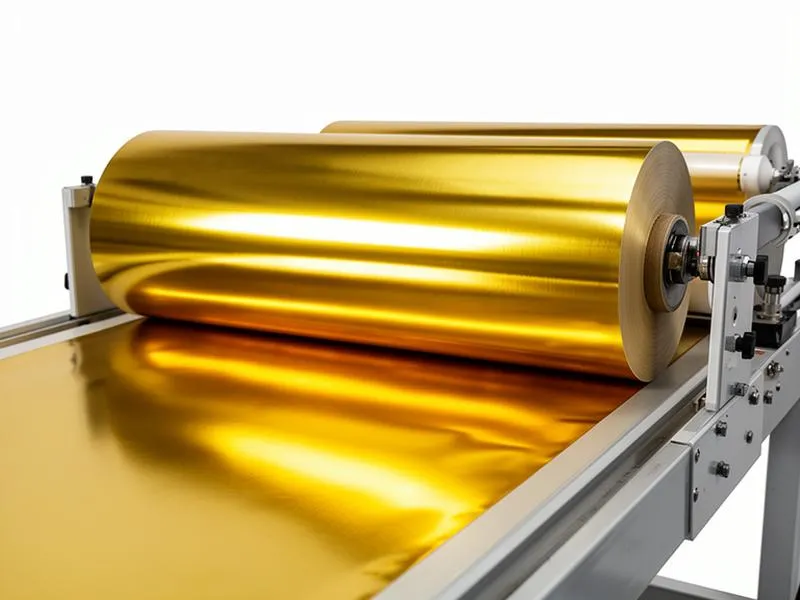
Premium Metallic Gold Hot Stamping Foil
Ultra-bright metallic gold foil with mirror-like reflection for premium packaging and label applications.
View product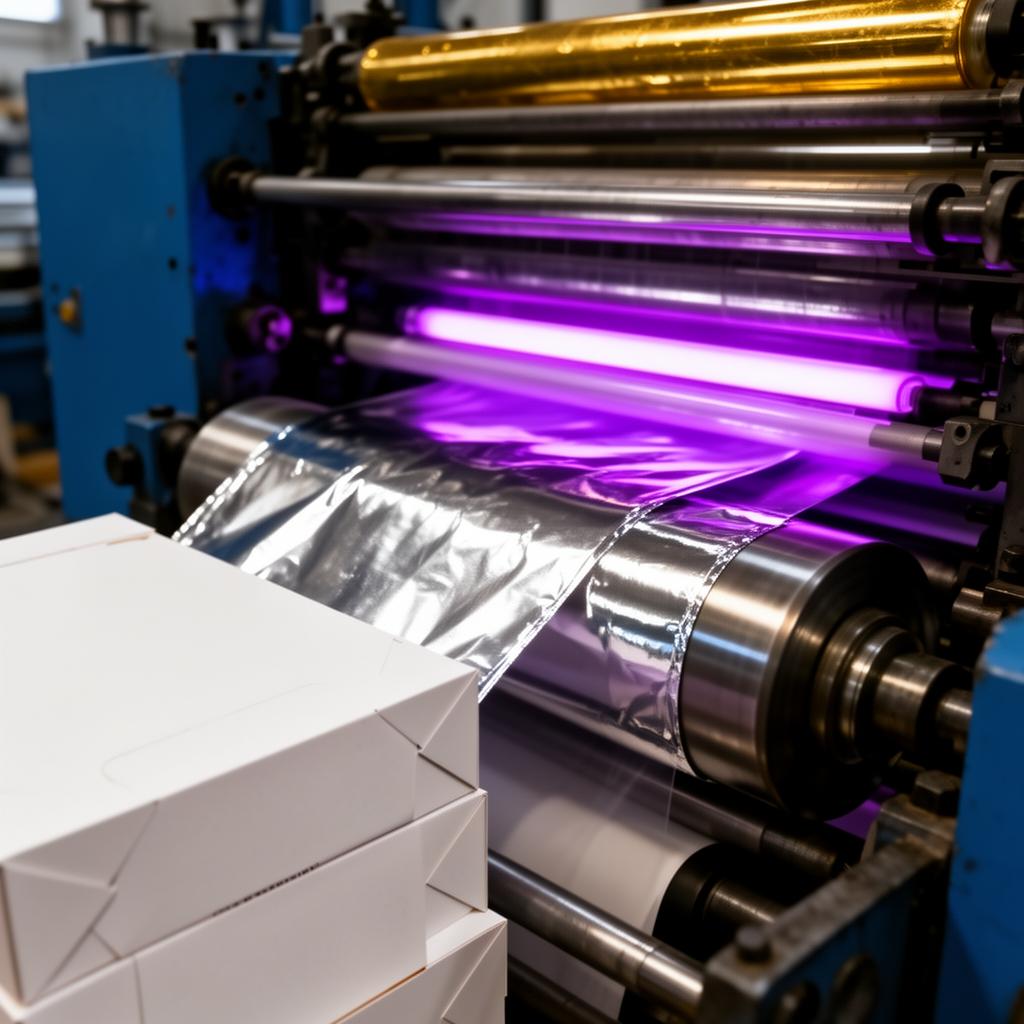
Cold Stamping Foil
Cold stamping foil for inline UV flexo and offset presses — no heat, no dies, up to 150 m/min with metallic, holographic and pigmented finishes.
View product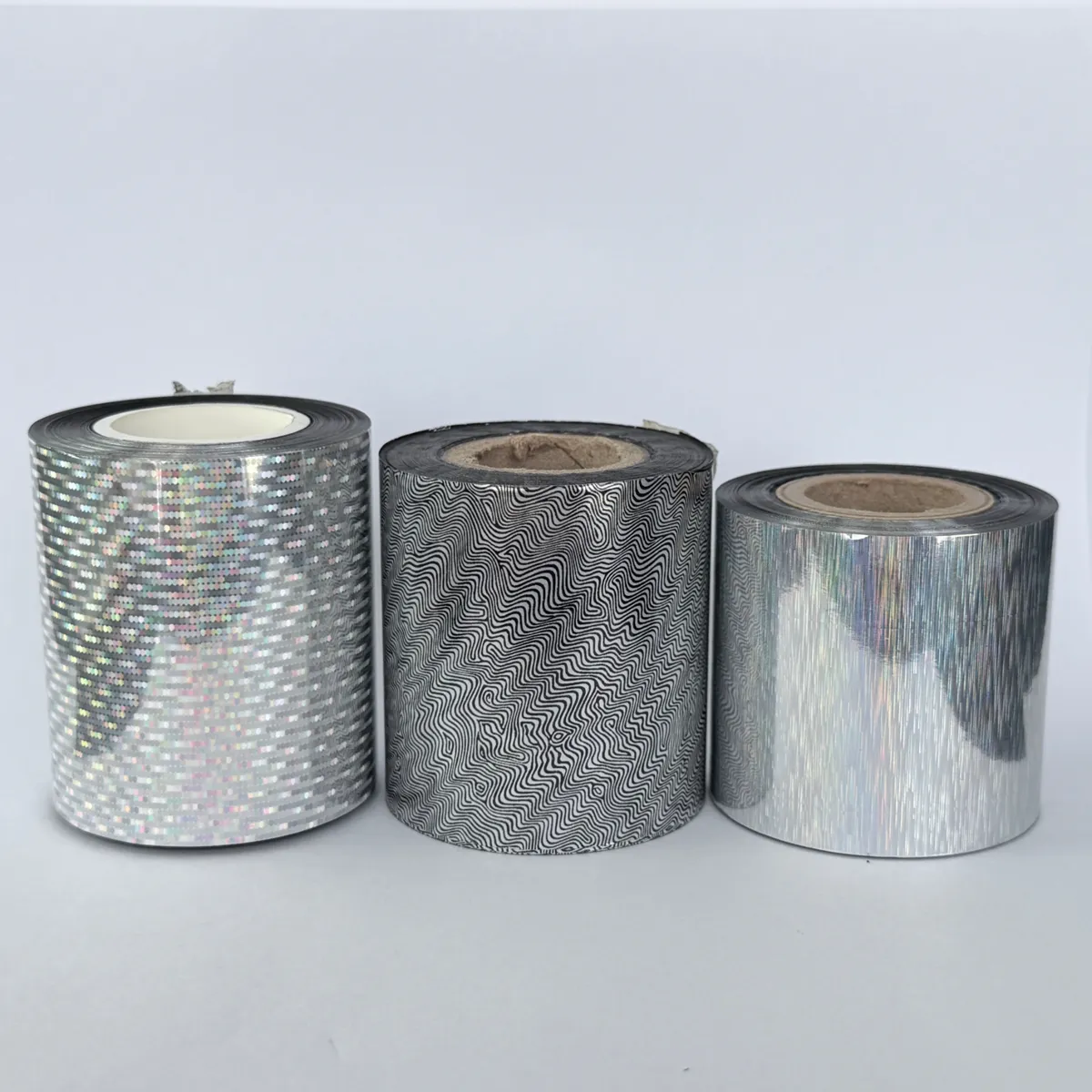
Scratch-Off Foil for Hot Stamping
High-opacity scratch-off foil for lottery tickets, gift cards and security labels — clean removal, no flaking, strong heat-seal bond to paper, cardstock and PVC.
View productRelated Articles
View all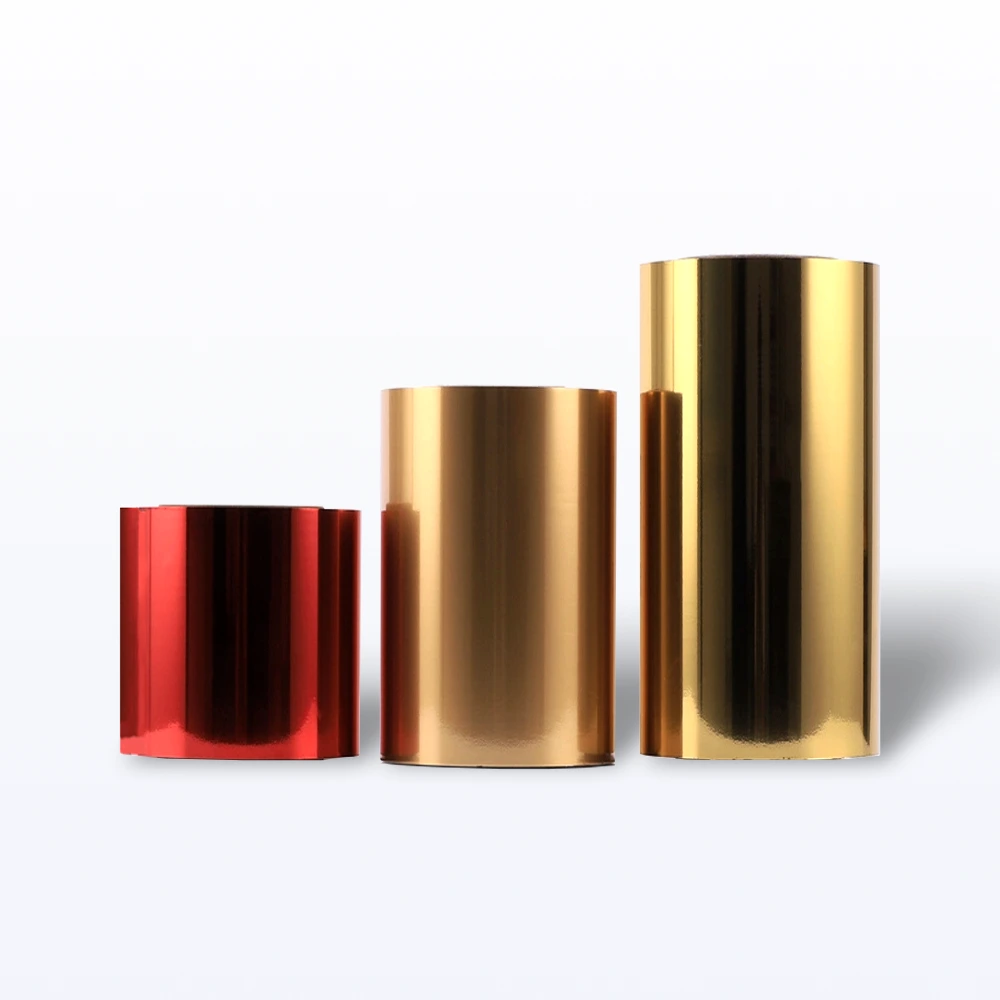
Technical Knowledge · May 12, 2026
Hot Stamping Foil Roll Sizes & Specs Chart
Optimize production now with our hot stamping foil roll size chart, covering widths, lengths, and core specs for machine compatibility.
Technical Knowledge · May 12, 2026
Hot Stamping Foil Price Per Roll 2026: Guide
Understand hot stamping foil price per roll for 2026. Explore bulk pricing, MOQs, and key cost drivers to optimize your procurement strategy and savings.
Technical Knowledge · May 12, 2026
Hot Stamping Foil for Greeting Cards: Pricing Guide 2026
Unlock optimal pricing for hot stamping foil for greeting cards with our 2026 guide. Balance quality and cost for your stationery elegantly.
Ready to source foil stamping and die-cutting from one supplier?
From stamping foils to post-press machines and die-cutting consumables — get factory-direct pricing and free samples.