
Select the perfect cosmetic hot stamping foil for luxury packaging. Ensure product success with ideal temperature, chemical resistance, and micron thickness.
Table of Contents
- The Technical Anatomy of Cosmetic Hot Stamping Foil
- Choosing Between Gold, Silver, and Rose Gold
- Application Success: Substrates and Adhesion
- Advanced Techniques: Overprinting and Embossing
- The Importance of Temperature and Pressure Control
- Sustainability in Luxury Foil Packaging
- Specifying Your Project
- Frequently Asked Questions
In the high-stakes world of cosmetic retail, the tactile and visual quality of a brand's packaging often determines its perceived market value. For procurement managers and packaging designers, selecting the right cosmetic hot stamping foil is not just an aesthetic choice; it is a technical decision that impacts shelf appeal, brand integrity, and manufacturing efficiency. Whether you are developing a flagship perfume box or a high-volume lipstick carton, understanding the interplay between carrier thickness, release layers, and heat resistance is essential. This guide provides the technical specifications and application insights necessary to choose the optimal gold and metallic foils for luxury packaging applications, ensuring your secondary packaging meets the rigorous demands of the global beauty industry.
The Technical Anatomy of Cosmetic Hot Stamping Foil
Modern luxury packaging foil is a multi-layered composite, typically measuring between 12 and 16 microns in total thickness. For cosmetic applications, where fine lines and intricate brand logos are the norm, the foil must possess a precise release tension. A standard 12-micron polyester (PET) carrier film provides the tensile strength required to withstand high-speed stamping on machines like the XG1080G fully automatic hot stamping machine, which can operate at speeds up to 5,500 sheets per hour.
The architecture of a high-performance foil consists of:
- Carrier Layer: Usually 12μm PET film for dimensional stability.
- Release Layer: High-precision waxes that melt at specific temperatures (90°C to 110°C) to allow the decorative layer to transfer.
- Color/Lacquer Layer: Contains the resins and dyes that create the specific gold or rose gold foil cosmetic shades.
- Metal Layer: A vacuum-metallized aluminum layer (approx. 0.02μm to 0.05μm) providing the reflective mirror finish.
- Adhesive/Sizing Layer: Designed to bond with specific substrates like UV-coated paperboard or synthetic label materials.
Choosing Between Gold, Silver, and Rose Gold
While traditional 24K bright gold remains a staple for luxury packaging foil, the cosmetic industry has shifted toward more nuanced palettes. The choice of shade must be consistent across global production batches. All-in Pack utilizes advanced spectrophotometry to ensure Delta E (ΔE) color deviation remains below 1.0, ensuring that a perfume box foil produced in January matches one produced in June.
| Foil Type | Primary Application | Stamping Temp (°C) | Surface Compatibility |
|---|---|---|---|
| Bright Metallic Gold | Premium Perfume Boxes | 105°C - 125°C | Glossy/Matte Paperboard |
| Rose Gold Foil | Skincare & Beauty Creams | 110°C - 130°C | BOPP Laminated Sheets |
| Matte Silver Foil | Minimalist Men's Grooming | 95°C - 115°C | Uncoated Textured Paper |
| Holographic Foil | Anti-counterfeit Cosmetics | 100°C - 120°C | UV Cured Varnishes |
Application Success: Substrates and Adhesion
Cosmetic packaging often utilizes challenging substrates, including Soft Touch laminations, heavy aqueous coatings, and UV-cured varnishes. For high-end cartons, designers frequently use 300-350 GSM bleached sulfate (SBS) board. If the board is pre-treated with a UV varnishing machine, the foil's adhesive layer must be chemically compatible with the cured varnish to prevent "flaking" or poor edge definition.
When working with labels, the cosmetic hot stamping foil must perform on materials such as synthetic PP or PET films. These surfaces require foils with a "hard" release and high chemical resistance, as cosmetic products often contain oils and alcohol that can degrade substandard foil decorations over time.
Advanced Techniques: Overprinting and Embossing
To achieve a truly "luxury" feel, many brands incorporate foil-over-print or print-over-foil workflows. The foil must be "over-printable," meaning its surface tension (dyne level) is high enough to accept offset or UV inks without bead-up. Furthermore, combining stamping with texture is a hallmark of high-end design. Using a TYM-1060 automatic embossing machine allows for simultaneous foil stamping and deep-relief debossing, common in premium perfume packaging where tactile feedback is part of the "unboxing" experience.
The Importance of Temperature and Pressure Control
In high-volume cosmetic production, consistency is the enemy of waste. If the temperature exceeds 150°C, the PET carrier can distort, leading to "ghosting" or dulling of the metallic brilliance. Conversely, if the temperature drops below 90°C, the release agent will not fully activate, causing "picking" where the foil fails to transfer to fine text. For most cosmetic carton converters, a dwell time of 0.2 to 0.5 seconds at a pressure of 40-60 kgf/cm² provides the optimal balance of speed and quality.
Sustainability in Luxury Foil Packaging
As the cosmetic industry moves toward eco-friendly solutions, questions arise regarding the recyclability of foiled packaging. It is a common misconception that hot foil makes paper unrecyclable. Because the aluminum and lacquer layers are extremely thin (less than 1 micron), they dissipate during the de-inking process in standard paper recycling facilities. By choosing high-yield rolls processed on an AF-1350 slitting machine, manufacturers can minimize trim waste and improve the overall sustainability profile of their luxury packaging.
Specifying Your Project
Selecting the right cosmetic hot stamping foil requires a balance of chemical resistance, color precision, and mechanical performance across different stamping speeds. Whether you are looking for a bespoke rose gold for a new skincare line or a high-speed metallic gold for large-scale production, All-in Pack provides the technical expertise and equipment to ensure a flawless finish. To receive a technical data sheet or sample roll for your specific substrate, please contact our engineering team via the product inquiry page.
Frequently Asked Questions
Quick answers about cosmetic-packaging.
Companion Products
Specs and samples for the products discussed in this article.
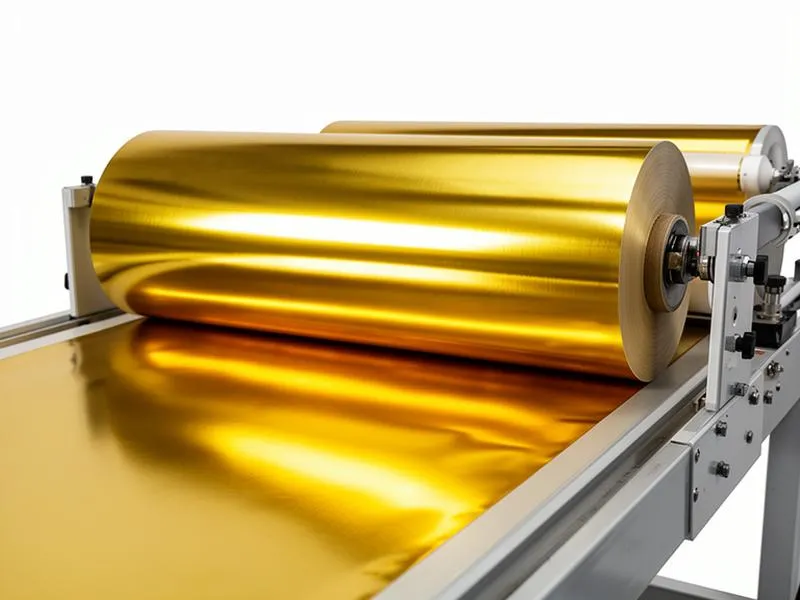
Premium Metallic Gold Hot Stamping Foil
Ultra-bright metallic gold foil with mirror-like reflection for premium packaging and label applications.
View product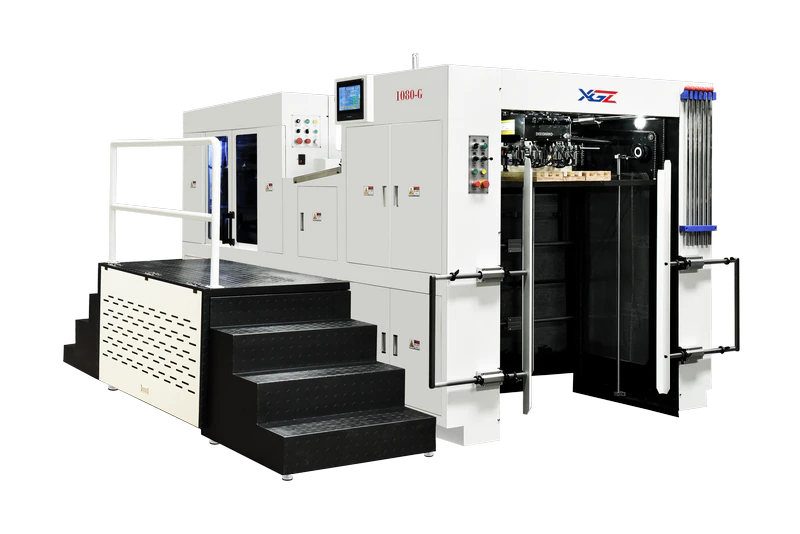
XG1080G Fully Automatic Hot Foil Blocking Machine (Hot Stamping Press)
Industrial hot foil blocking machine (also called a hot stamping press) with 5,500 sheets/hour throughput, 1060×740 mm max sheet size, 80-ton stamping pressure and ±2°C PLC temperature control — for paperboard, luxury packaging, book covers and security printing.
View product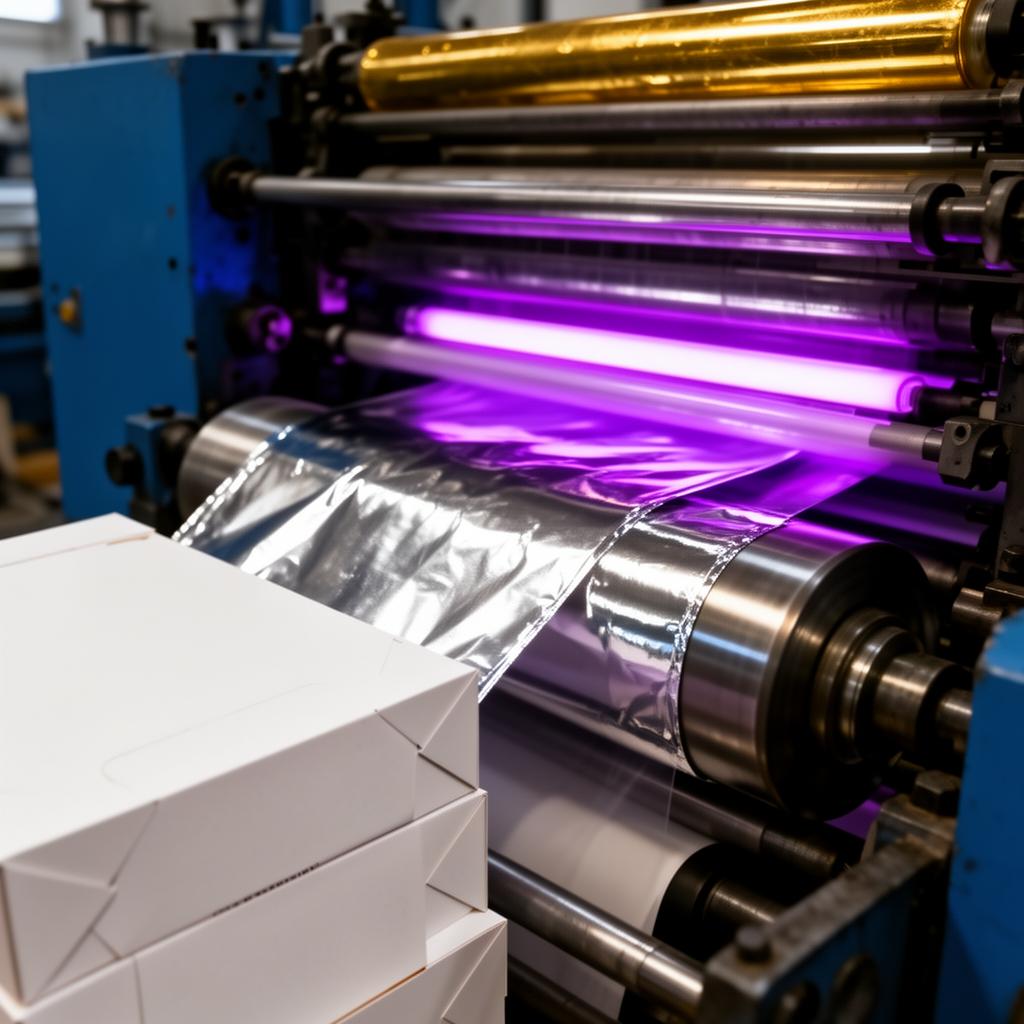
Cold Stamping Foil
Cold stamping foil for inline UV flexo and offset presses — no heat, no dies, up to 150 m/min with metallic, holographic and pigmented finishes.
View productRelated Articles
View allTechnical Knowledge · May 12, 2026
PVC Card Hot Stamping Foil Specs for Plastic Cards
Discover essential PVC card hot stamping foil specifications for bank, loyalty, and membership cards. Ensure durable, high-quality finishes for plastic cards.
Technical Knowledge · Jun 1, 2026
Gold Foil Stamping for Luxury Packaging – All You Need
Technical guide to gold foil stamping for luxury packaging. Explore shades, finishes, and how to specify the right gold foil for your brand.
Technical Knowledge · May 12, 2026
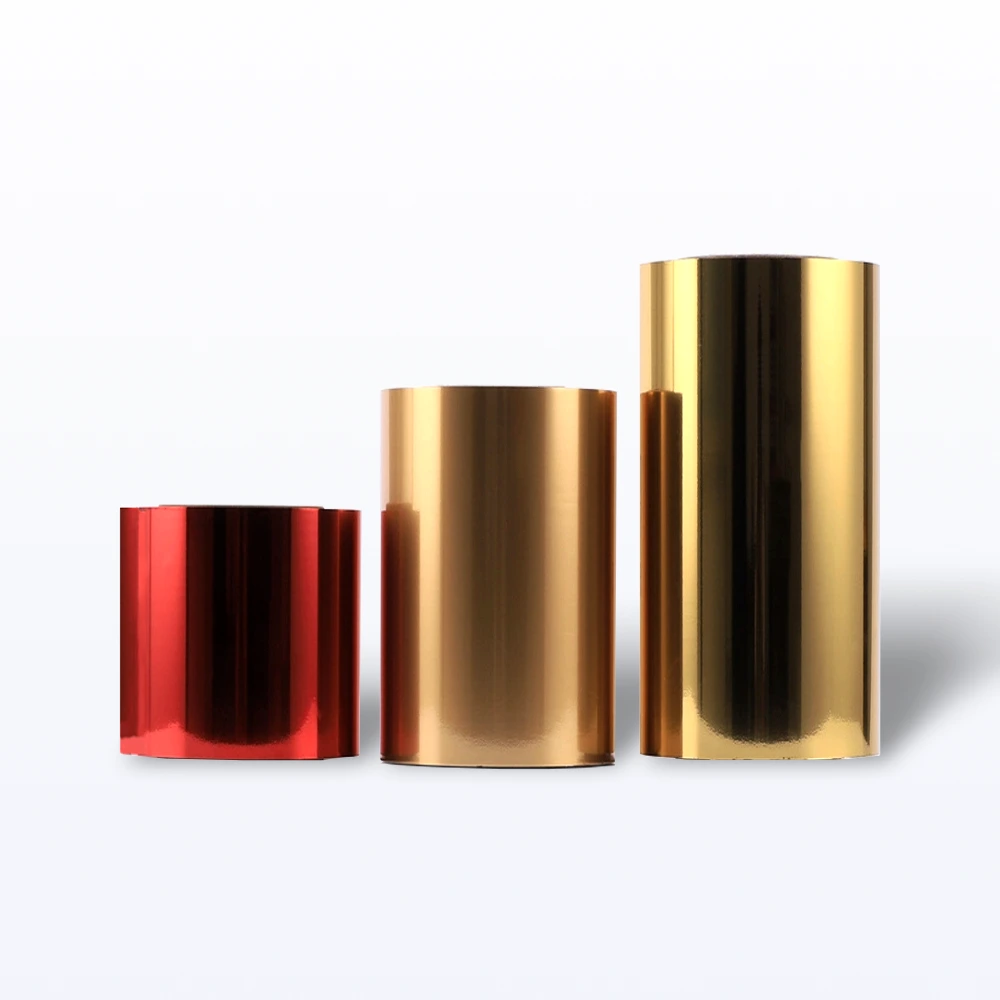
Hot Stamping Foil Roll Sizes & Specs Chart
Optimize production now with our hot stamping foil roll size chart, covering widths, lengths, and core specs for machine compatibility.
Ready to source foil stamping and die-cutting from one supplier?
From stamping foils to post-press machines and die-cutting consumables — get factory-direct pricing and free samples.