
Technical guide to gold foil stamping for luxury packaging. Explore shades, finishes, and how to specify the right gold foil for your brand.
Table of Contents
- The Psychology of Gold in Packaging
- Shades of Gold: Beyond the Standard
- Finish & Texture: Defining the Tactile Experience
- Technical Specifications for Gold Foil Application
- Brand Specification: Pantone Matching and Customization
- How Luxury Sectors Specify Gold Foil
- Cosmetics & Perfumery
- Wines & Spirits
- Jewelry & Watches
- Confectionery & Chocolates
- Get a Quote
- Frequently Asked Questions
In the realm of luxury packaging, few elements command attention and convey prestige quite like gold foil stamping. This versatile embellishment transforms an ordinary box, label, or container into a tactile, visually arresting experience. For brand managers, packaging engineers, and designers in competitive sectors like cosmetics, spirits, and confectionery, mastering the nuances of gold foil is not just an option—it’s essential for creating brand value and distinction. This guide provides a technical deep-dive into the world of gold foil, from the spectrum of available shades and finishes to the critical specifications required for flawless application on your production line.
The Psychology of Gold in Packaging
Gold has an innate psychological association with wealth, quality, and success. When applied to packaging, gold stamping elevates a product’s perceived value. It signals to the consumer that the item inside is premium, crafted with care, and worth a higher price point. This is why brands invest heavily in precise color and finish specifications. The choice between a bright, reflective gold and a muted, antique gold can completely alter a brand’s message, appealing to different consumer demographics. Effective stamping foils are more than decoration; they are a strategic tool for market positioning.
Shades of Gold: Beyond the Standard
Modern foil technology offers a sophisticated palette of gold shades, allowing brands to develop a unique and consistent visual identity. Moving beyond a generic "gold," brands can specify a precise hue that aligns with their identity. The most common and effective shades include:
- Rich Gold: A vibrant, classic 24k-style yellow gold. This is the go-to for a bold, unapologetically luxurious statement. Our premium metallic gold hot stamping foil is an industry benchmark for this shade.
- Pale Gold/Champagne: A softer, more contemporary shade with subtle silver undertones. It’s often used for modern, minimalist luxury brands that want to convey elegance without ostentation.
- Rose Gold: A trendy, pink-hued gold that has become immensely popular in cosmetics, jewelry, and tech. It projects a modern, feminine, and high-fashion sensibility.
- Antique Gold: A deeper, slightly desaturated gold with bronze or greenish undertones. This shade is perfect for brands wanting to evoke a sense of heritage, tradition, and established craftsmanship, common in the spirits industry.
Finish & Texture: Defining the Tactile Experience
The finish of a gold foil is just as important as its color. The texture and light-play of the finish determine the final character of the packaging. The primary finishes to consider are:
- Mirror/Brilliant Finish: Highly reflective and glossy, this is the most common finish for hot stamping. It creates a striking, eye-catching effect that maximizes shelf appeal. It offers the cleanest and sharpest stamped image.
- Satin Finish: A semi-lustrous finish that sits between mirror and matte. It diffuses light gently, offering a sophisticated sheen without the high reflectivity of a mirror foil.
- Brushed Finish: This finish features fine, linear texture marks that simulate brushed metal. It adds a subtle, industrial-chic texture and is excellent for masculine or high-tech product lines.
- Matte Finish: A non-reflective, flat finish. A matte gold provides a modern, understated elegance. It's often used in contrast with a gloss varnish or a textured paper stock for a dramatic tactile effect.
- Holographic Patterns: For maximum visual impact, foils can incorporate holographic patterns. While often seen in rainbow effects like our holographic rainbow foil, gold can also be a base for subtle, custom holographic patterns that serve as both decoration and an anti-counterfeiting measure.
Technical Specifications for Gold Foil Application
Achieving a perfect gold stamp requires matching the foil’s properties to the substrate, design, and machinery. Key technical variables are detailed in the foil’s specification sheet. Understanding these is crucial for troubleshooting issues and ensuring consistent quality. For a deeper understanding of the layers that make up a foil, see our guide to hot stamping foil layer structure.
| Foil Type | Typical Stamping Temperature (Vertical Press) | Substrate Compatibility | Key Characteristics |
|---|---|---|---|
| Premium Metallic Gold (Hot Foil) | 100°C - 130°C | Coated Paper, Laminated Board, PET, PVC, some UV-vanished surfaces | Excellent gloss and definition; versatile for fine details and broad coverage. |
| Cold Stamping Foil | N/A (UV adhesive cured) | Labels (in-line printing press), smooth plastics | High-speed application, over-printable, but less brilliant than hot foil. |
| Digital Toner-Reactive Foil | 140°C - 160°C (Laminator) | Paper printed with dry toner | Ideal for short runs and variable data; no die required. |
| Pigment & Specialty Foils | 110°C - 140°C | Varies widely by formulation | Opaque colors or special effects; used for coding or unique branding. |
Brand Specification: Pantone Matching and Customization
Leading global brands do not leave color to chance. While foils don't use the Pantone ink system directly, brands often provide a Pantone swatch (e.g., PANTONE 871 C for a common metallic gold) as the target color standard. At All-in Pack, we work with you to match our foil formulations to your target Pantone shade as closely as possible across different substrates and lighting conditions. This ensures that the "brand gold" on your perfume box in Paris is the exact same shade as the one on your shopping bag in Dubai. This level of consistency is non-negotiable for luxury positioning. We can even develop custom anti-counterfeit security foil with unique identifiers within your brand's specific gold shade.
How Luxury Sectors Specify Gold Foil
Different industries have unique requirements for gold stamping based on their product, packaging materials, and brand ethos.
Cosmetics & Perfumery
This sector, detailed in our cosmetic hot stamping foil guide, often uses brilliant mirror gold and rose gold on high-quality, coated paperboard. Stamping must be precise, with clean release on fine text and intricate logos. Resistance to alcohol and abrasion is critical. The process is often handled by a high-speed, precision fully automatic hot stamping machine to ensure flawless results at scale.
Wines & Spirits
Labels for this sector frequently feature antique gold or rich gold on textured, uncoated paper stocks. The foil must adhere well to uneven surfaces and often requires a specific release property that works with embossing. A combination of hot stamping and embossing, often performed on a machine like the TYM-1060, adds a premium tactile dimension.
Jewelry & Watches
Packaging here is about conveying ultimate luxury and security. Brands often specify satin or matte gold for a subtle, sophisticated effect on rigid boxes. The gold foil is often combined with other processes like die-cutting, handled by equipment such as the MQ-1060 Automatic Flatbed Die-Cutting Machine, to create complex presentation boxes.
Confectionery & Chocolates
For high-end chocolates, gold stamping is used on wrappers and boxes. Brilliant rich gold is popular for its classic appeal. The foils must be food-contact compliant in some cases and must perform perfectly on lightweight papers and flexible films, which can be challenging. Avoiding common errors is key; our hot stamping foil troubleshooting guide is a valuable resource.
Get a Quote
Choosing the right gold foil requires a deep understanding of materials, machinery, and brand objectives. Our team of specialists at All-in Pack can help you navigate the complexities of shade selection, finish specification, and technical compatibility to ensure your packaging achieves its desired luxury appeal. We provide specification sheets, sample rolls, and expert consultation to guarantee your project’s success. Contact us to discuss your specific needs and receive a detailed quote for your project. To get started, please visit our contact page.
Frequently Asked Questions
Quick answers about gold foil.
Companion Products
Specs and samples for the products discussed in this article.

Premium Metallic Gold Hot Stamping Foil
Ultra-bright metallic gold foil with mirror-like reflection for premium packaging and label applications.
View product
Cold Stamping Foil
Cold stamping foil for inline UV flexo and offset presses — no heat, no dies, up to 150 m/min with metallic, holographic and pigmented finishes.
View product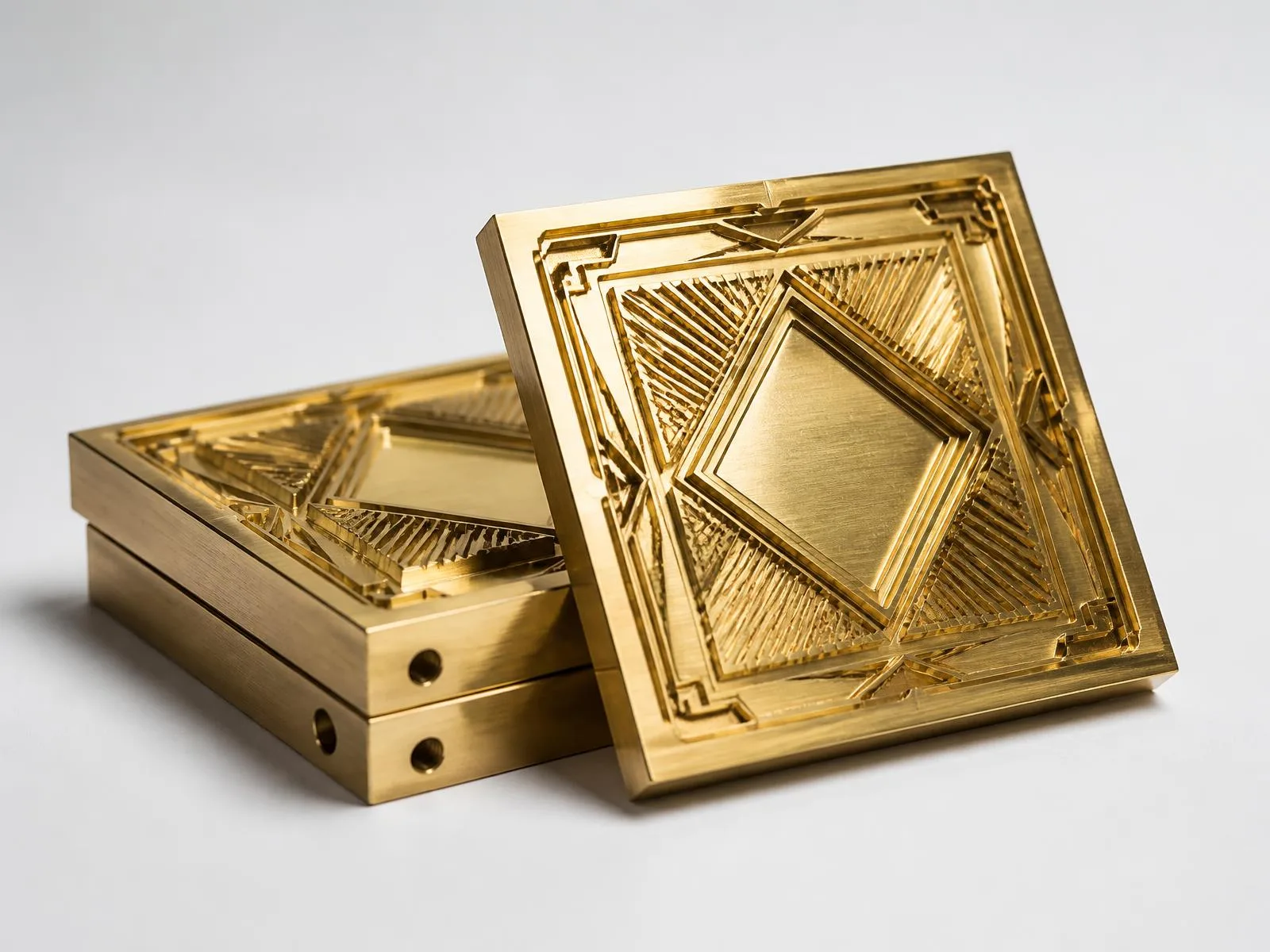
Brass & Magnesium Hot Stamping Dies
Engraved brass and magnesium stamping dies made to your artwork — the tooling that decides foil edge quality.
View productRelated Articles
View all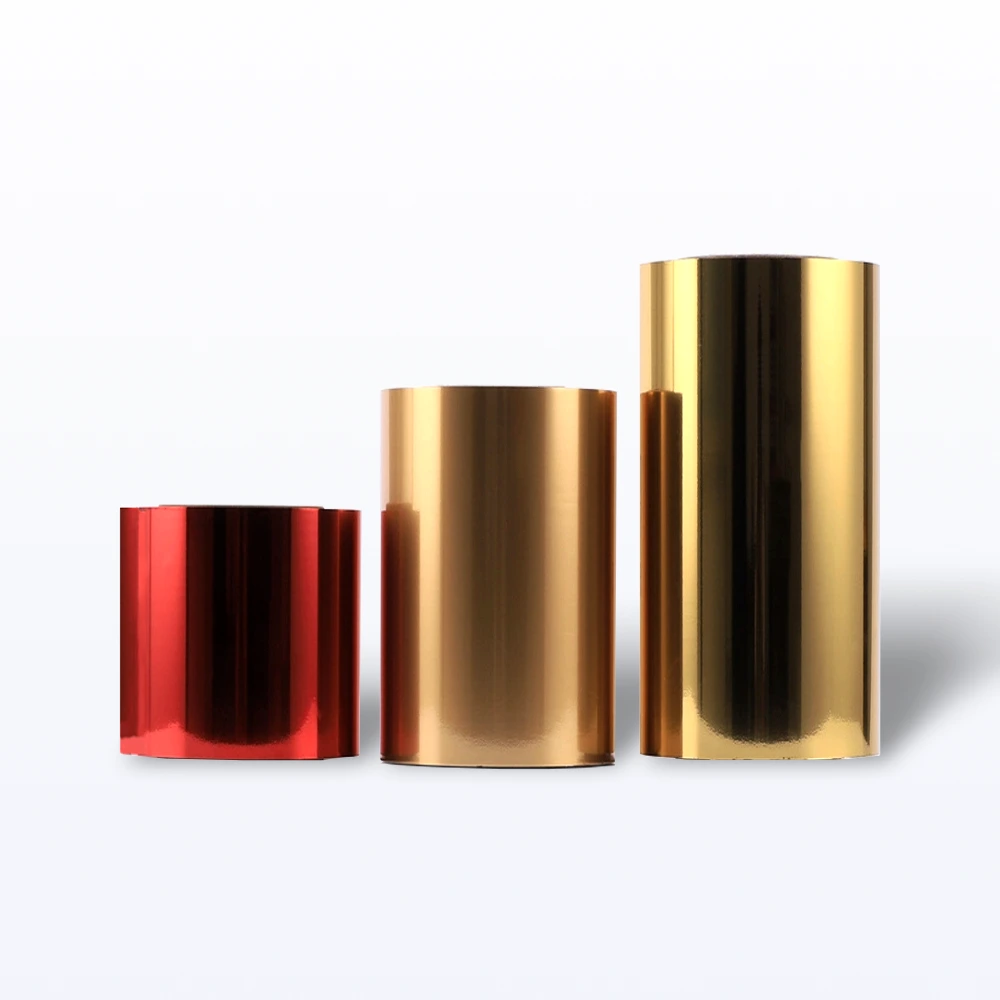
Technical Knowledge · Jun 1, 2026
What is Hot Stamping? The Complete Guide
Discover the complete hot stamping process, how it works, and the equipment needed. Achieve premium, high-impact packaging with this guide.
Technical Knowledge · May 21, 2026
Hot Stamping Foil Adhesion Testing: Guide
Ensure quality with our hot stamping foil adhesion testing guide. Includes ASTM tape pull, crockmeter, and rub methods for various substrates. Gain insights into pass/fail thresholds.
Technical Knowledge · May 21, 2026
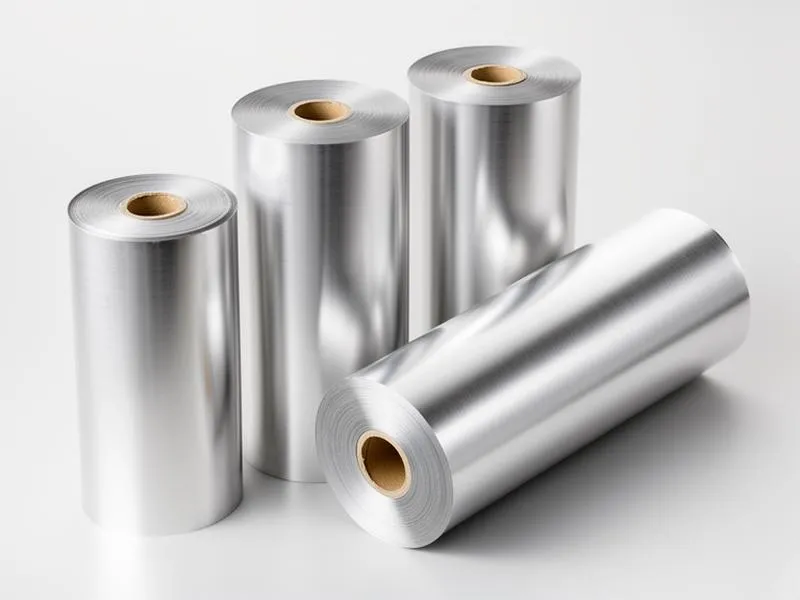
Hot Stamping Foil Storage: Shelf Life Best Practices
Optimize hot stamping foil storage to protect its 24-month shelf life. Learn ideal temperature, humidity, and inventory management for best results.
Ready to source foil stamping and die-cutting from one supplier?
From stamping foils to post-press machines and die-cutting consumables — get factory-direct pricing and free samples.