
Quick answer
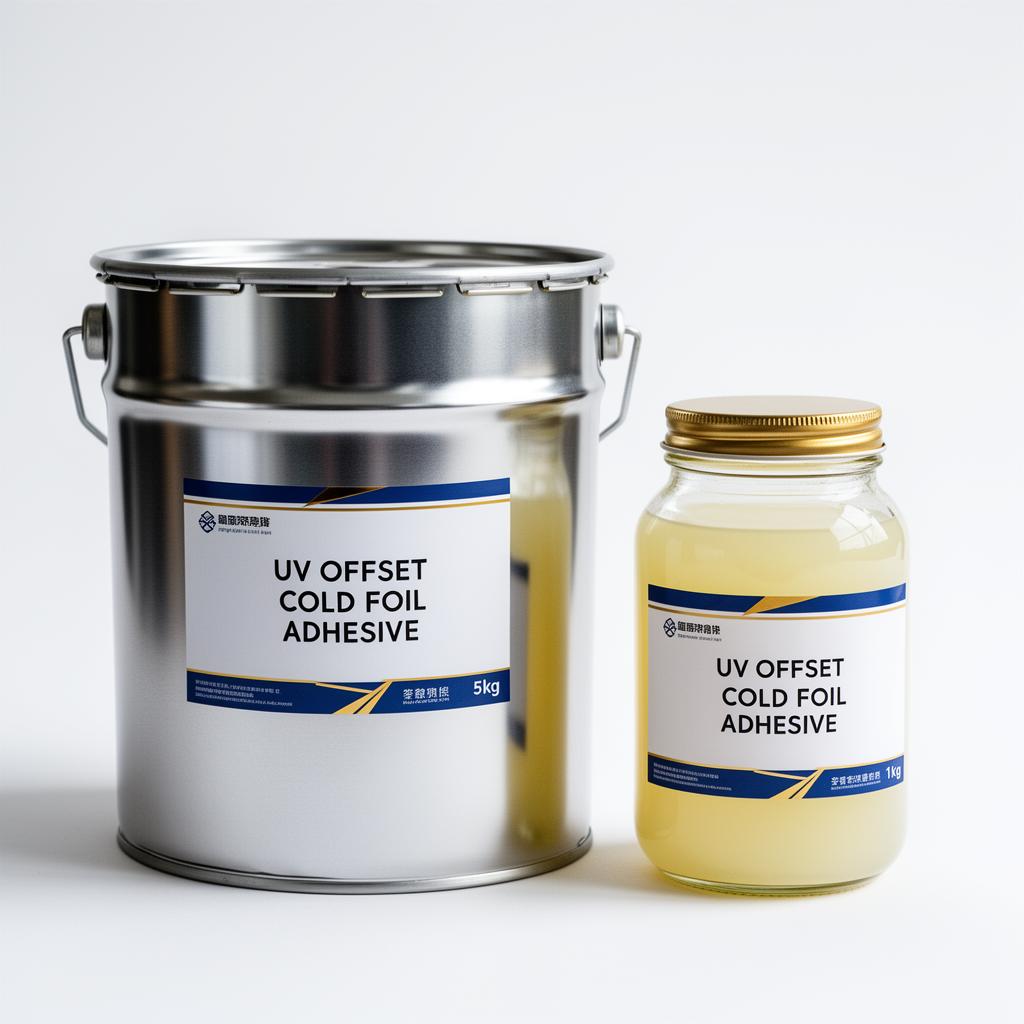
UV Offset Cold Foil Adhesive — High-Thixotropy, Anti-Misting is a adhesive product manufactured and exported by All-in Pack (Wenzhou, China), used for Premium folding cartons for cosmetics, perfume and spirits, High-end commercial print and luxury brochures, Cigarette and confectionery wrapping cartons. Core specification: Process Offset (Sheet-fed and Web Offset) Cold Foil Transfer, Rheology Thixotropic — high yield stress at rest, shear-thinning under roller nip. It ships FOB Shanghai with MOQ from one roll, 5–14 day lead times on stock items, free A4 samples and Pantone colour matching on request.
UV Offset Cold Foil Adhesive — High-Thixotropy, Anti-Misting
Key specifications at a glance
- Packaging: 1 kg can / 5 kg pail / 25 kg drum
- Shelf Life: 12 months at 5–25 °C, sealed
- Viscosity (25 °C): 2,000–5,000 mPa·s (high viscosity, thixotropic)
- Recommended Pressroom: 20–25 °C, 50–60% RH
- Recommended UV Energy: 120–180 mJ/cm²
- Process: Offset (Sheet-fed and Web Offset) Cold Foil Transfer
High-thixotropy UV cold foil adhesive engineered for offset press roller systems — eliminates ink misting and delivers razor-sharp foil edges on logos, microtext and fine details.
Key Features
- High-thixotropy formulation — high viscosity at rest, low viscosity under shear, perfectly balancing transfer and roller stability
- Anti-misting performance — eliminates adhesive spatter on offset presses running above 10,000 sph, keeping plates and machinery clean
- Razor-sharp foil edges — outstanding film-split control reproduces complex logos, fine serifs and microtext with pinpoint accuracy
- Production consistency — viscosity holds within ±5% batch-to-batch, reducing mid-run topping-up and press re-calibration
- Roller-train compatible — feeds through standard offset inking units, no chambered doctor blade or special anilox required
- Compatible with all major offset cold foil systems (KBA, Heidelberg Foilstar, Manroland Prindor, Komori K-Color)
Overview
UV Offset Cold Foil Adhesive — High-Thixotropy for Misting-Free Offset Runs
Engineered specifically for the inking-roller train of conventional and UV offset presses, this adhesive uses a purpose-built thixotropic rheology profile: high static viscosity on the rollers for stability, low dynamic viscosity under shear for clean transfer. The result is a clean press environment, zero misting at production speeds, and exceptionally sharp cold-foil edges on the most demanding logos and hairline graphics — a critical advantage when running luxury cold foil stamping on folding cartons, premium labels, and metallized inline finishes.
Why Offset Converters Choose This Adhesive
- Roller-stable rheology — body stays on the rollers and out of the air, even at production speeds above 12,000 sph on sheet-fed Heidelberg, KBA, and manroland presses.
- Misting-free operation — eliminates the adhesive spatter that contaminates plates, blankets, and cylinders during long runs.
- Razor-sharp edges — controlled film split on the blanket reproduces 4-pt type and complex logos cleanly, matching the resolution standards expected by luxury packaging brands.
- Batch-to-batch consistency — viscosity stays within ±5% across drums for repeatable long runs without daily re-calibration.
- Inline compatibility — designed to feed standard offset inking units (no chambered doctor blade conversion required).
How It Runs on Press
The adhesive feeds through a standard offset inking unit dedicated to the cold-foil application station. Recommended pressroom temperature is 20–25 °C to maintain the optimum thixotropic profile. UV-cure on a dedicated interdeck or end-of-press lamp at 120–180 mJ/cm² before the foil nip locks down the pattern, and the foil is then peeled away leaving only the adhesive-coated areas metalized. Pair with wide-web cold foil or specialty UV cold foil silver rolls for production work.
Key Technical Specifications
| Property | Value |
|---|---|
| Process | UV offset cold foil transfer (sheet-fed) |
| Static viscosity (25 °C) | 20,000 – 35,000 mPa·s (high-body) |
| Dynamic viscosity under shear | 800 – 1,500 mPa·s |
| Tack value | 180 – 230 (Inkometer, 400 rpm, 90 s) |
| Recommended UV energy | 120 – 180 mJ/cm² |
| Press speed compatibility | Up to 18,000 sph |
| Appearance | Clear, slightly amber gel |
| Packaging | 2.5 kg cartridge / 20 kg pail |
| Shelf life | 12 months at 10–25 °C, sealed and dark |
Process Tradeoffs vs UV Flexo
Offset cold foil is ideal for sheet-fed luxury carton work, fragrance and cosmetic packaging, premium book covers, and security documents — anywhere designers demand offset-level fine detail combined with mirror-bright foil finishes. For narrow-web roll-to-roll label work, switch to our UV Flexo Cold Foil Adhesive. Read the full comparison in our UV flexo vs UV offset selection guide and the broader stamping process comparison in cold foil vs hot foil at high speed.
Troubleshooting Common Defects
- Pinholes / tunneling — adhesive film too thin or wet trap incompatibility. See pinholes & tunneling troubleshooting.
- Foil break-up at edges — UV under-cure; increase lamp dose or slow press.
- Plate / blanket build-up — pressroom too warm (above 26 °C); restore thixotropic profile by chilling.
- Dot gain in highlights — over-inking; reduce duct opening 5–10% and re-check.
Quality, Migration & Sustainability
Each batch is QC-tested for viscosity, tack, and cure speed before release. Fully cured film meets EuPIA Exclusion List and Nestlé Guidance criteria for indirect-food-contact secondary packaging, and the adhesive is free of intentionally added BPA, BADGE, and ITX photoinitiators. Containers are HDPE and recyclable.
Get a Quote
For samples, technical data sheets, or compatibility testing with your existing offset inks and UV lamps, request a quote — our application engineers respond within 24 hours with cure curves, pallet pricing, and inline integration support.
Technical Specifications
| Process | Offset (Sheet-fed and Web Offset) Cold Foil Transfer |
| Rheology | Thixotropic — high yield stress at rest, shear-thinning under roller nip |
| Packaging | 1 kg can / 5 kg pail / 25 kg drum |
| Appearance | Clear to pale yellow paste |
| Shelf Life | 12 months at 5–25 °C, sealed |
| Viscosity (25 °C) | 2,000–5,000 mPa·s (high viscosity, thixotropic) |
| Recommended Pressroom | 20–25 °C, 50–60% RH |
| Recommended UV Energy | 120–180 mJ/cm² |
Applications
Frequently Asked Questions
What are the key features of UV Offset Cold Foil Adhesive — High-Thixotropy, Anti-Misting?
What are the typical applications of UV Offset Cold Foil Adhesive — High-Thixotropy, Anti-Misting?
What are the technical specifications of UV Offset Cold Foil Adhesive — High-Thixotropy, Anti-Misting?
What is the minimum order quantity (MOQ) for UV Offset Cold Foil Adhesive — High-Thixotropy, Anti-Misting?
What is the typical lead time and shipping for UV Offset Cold Foil Adhesive — High-Thixotropy, Anti-Misting?
Can I get free samples of UV Offset Cold Foil Adhesive — High-Thixotropy, Anti-Misting?
Selection Guides & How-Tos
Pairing tips and material/equipment selection articles for this product.
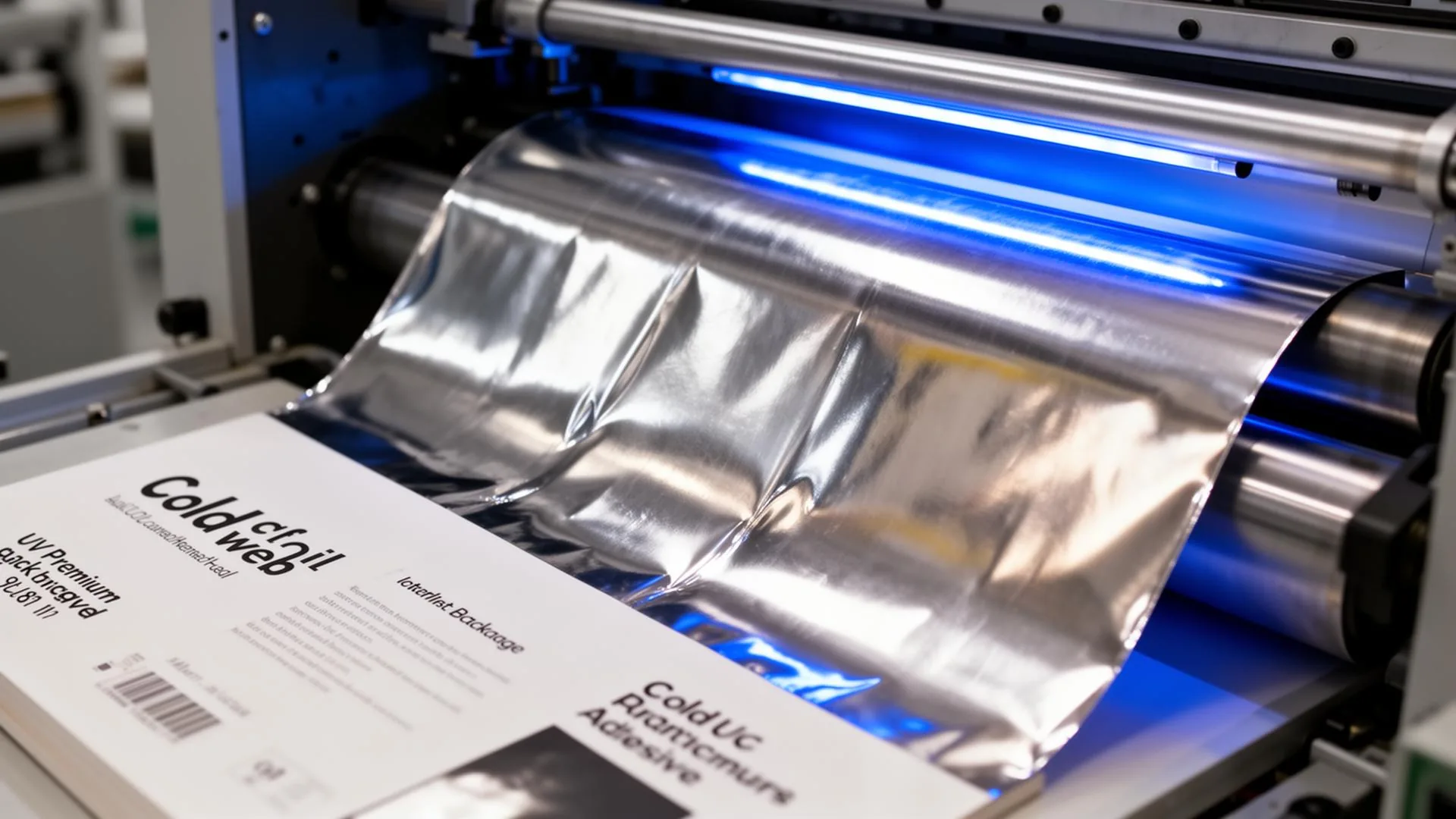
Is Cold Foil Actually Cost Effective? A Real Cost Breakdown (2026)
A line-by-line cost comparison of cold foil against hot foil and digital foil — foil consumption, UV adhesive, die and make-ready charges, press time and waste — plus the run-length break-even point where cold foil stops being the cheaper option.
Read guide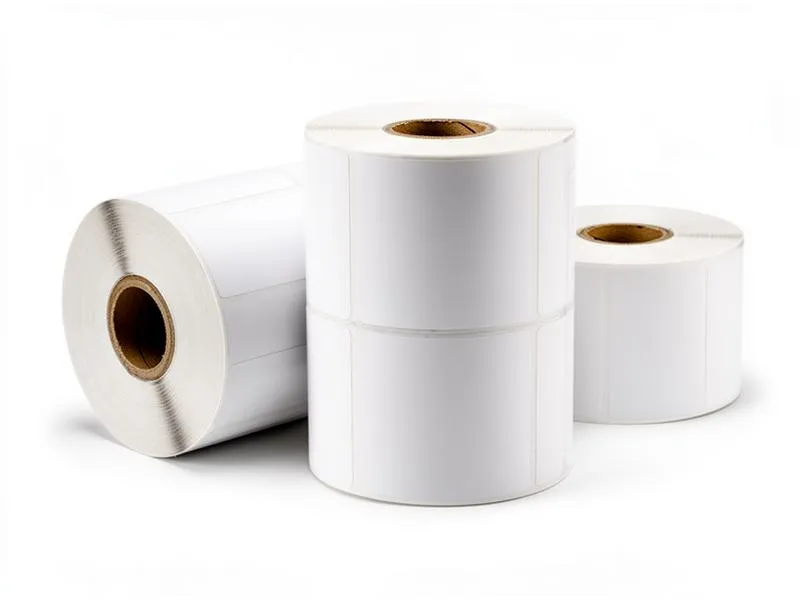
How to Choose the Right Self-Adhesive Label Material: A 2026 Buyer's Guide for Converters & Brand Owners
Facestock, adhesive, liner — the three layers that decide whether your label survives the cold chain, the wash cycle, or the next decade. A practical 2026 guide to specifying self-adhesive label materials.
Read guide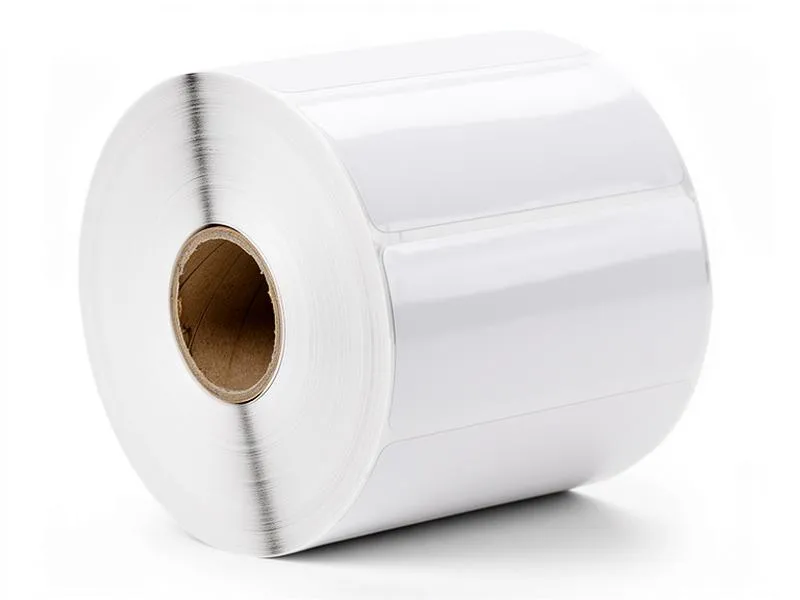
Sustainable Self-Adhesive Labels in 2026: Recyclable Liners, FSC Paper & Wash-Off Adhesives Explained
Brand owners are mandating eco-friendly label materials. Here's a converter-focused breakdown of recyclable liners, FSC-certified facestocks, wash-off adhesives, and bio-based films driving the 2026 sustainable PSA market.
Read guide