
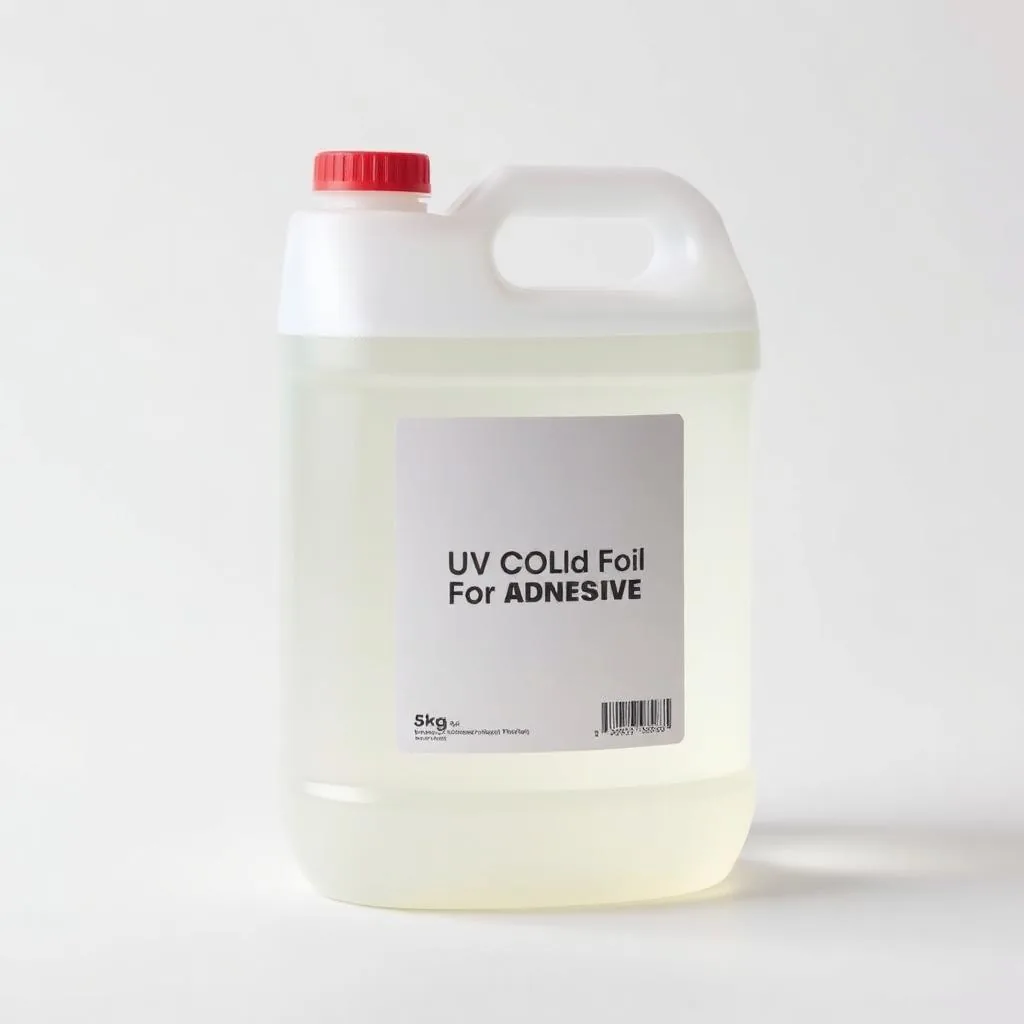
Compare UV flexo and UV offset cold foil adhesives. This guide helps you choose the right adhesive for optimal packaging printing results.
Table of Contents
- 1. Why the adhesive is the bottleneck
- 2. UV Flexo cold foil adhesive — high-definition, high-speed
- 3. UV Offset cold foil adhesive — high-thixotropy, anti-misting
- 4. Spec-level decision matrix
- 5. Pairing the adhesive with the foil
- 6. Five real-world case studies
- 7. Order checklist
- Frequently Asked Questions
Cold foil stamping is an in-line decoration process where a UV-curable adhesive is printed onto the substrate, the metallic foil is nipped against the wet adhesive, UV-cured, and the carrier PET is peeled away. The single biggest variable in a stable cold-foil line is the adhesive — and the choice between a UV flexo and a UV offset chemistry determines everything from line speed to defect rate.
This guide compares the two adhesive families at the spec level so you can spec the right SKU on the first order. For a deeper look at the full workflow, see our step-by-step cold foiling process guide and the broader hot vs cold vs digital foil comparison.
1. Why the adhesive is the bottleneck
The cold foil itself is a relatively passive component — a 12 µm PET carrier with a release coat, color lacquer, metallized aluminum, and a sizing layer. What actually bonds to the substrate is the printed UV adhesive. If the adhesive is wrong for the press, three things happen: pinholes appear in solids, fine type "tunnels" and loses edges, and foil waste climbs above 25%.
2. UV Flexo cold foil adhesive — high-definition, high-speed
UV Flexo Cold Foil Adhesive is metered through an anilox roll and printed via a photopolymer plate. Typical operating window:
- Viscosity at 25°C: 250–450 mPa·s
- Anilox BCM: 3.5–5.0 (typical 4.0 BCM at 800–1000 LPI)
- Coat weight on substrate: 1.8–2.6 g/m²
- UV cure dose: 80–120 mJ/cm² (Hg medium-pressure lamp)
- Line speed: up to 250 m/min on a narrow-web press
- Best for: labels, flexible packaging, fine type ≥4 pt, halftone foiling
The flexo route gives the cleanest fine detail because plate relief produces a sharp adhesive edge. It is the default for narrow-web label work on coated paper and BOPP, and it pairs especially well with our transparent BOPP self-adhesive film and gloss white self-adhesive label paper.
3. UV Offset cold foil adhesive — high-thixotropy, anti-misting
UV Offset Cold Foil Adhesive is split between the ink-train rollers and laid down through a litho plate. Different physics, different spec sheet:
- Viscosity (Laray) at 25°C: 30–55 Pa·s — much higher, paste-like
- Tack: 180–240 (Inkometer, 1200 rpm, 30°C, 1 min)
- Coat weight: 2.5–3.5 g/m² (heavier than flexo by design)
- UV cure dose: 100–150 mJ/cm²
- Line speed: up to 15,000 sheets/hour on a B1 press
- Best for: folding cartons, premium commercial print, large solids
The offset chemistry must be highly thixotropic — it has to flow under shear in the ink train but stay put on the plate to prevent misting at speed. This is why bargain offset cold foil adhesives fail above 12,000 sph: they mist, contaminate the foil web, and force a slowdown.
4. Spec-level decision matrix
| Criterion | UV Flexo Adhesive | UV Offset Adhesive |
|---|---|---|
| Minimum legible type | 4 pt positive / 6 pt reverse | 6 pt positive / 8 pt reverse |
| Maximum solid area | ≤ 60 mm continuous | Full sheet (B1) practical |
| Substrate range | Coated paper, BOPP, PET, PP labels | SBS, FBB, coated board 250–400 gsm |
| Coat weight | 1.8–2.6 g/m² | 2.5–3.5 g/m² |
| Foil waste at steady state | 8–14 % | 12–18 % |
| Typical press | Narrow-web flexo (250–430 mm) | B1/B2 sheet-fed offset with foiling tower |
5. Pairing the adhesive with the foil
Both adhesives are designed to bond with the sizing layer on standard cold stamping foil. For holographic or pattern-release jobs, switch to a higher-tack variant and use our holographic rainbow foil, which carries a slightly tackier size to compensate for the diffraction layer's lower surface energy.
6. Five real-world case studies
- Wine label, 80 gsm gloss paper, 8 pt serif: UV flexo at 4.2 BCM, 2.1 g/m², 180 m/min. Foil waste 9%, zero pinholes.
- Cosmetics carton, 300 gsm SBS, full-coverage gold panel: UV offset at 12,000 sph, 3.2 g/m², 130 mJ/cm². No misting after 4-hour run.
- Pharma blister lidding, PET film: Flexo only — offset adhesive's higher coat weight cracked under blister forming.
- Premium spirits carton, 350 gsm coated board, holographic registered foil: Offset adhesive + holographic foil, register tolerance ±0.15 mm.
- Shrink sleeve, 50 µm PETG: Flexo adhesive with a low-shrink chemistry — offset's higher cure dose distorted the film.
7. Order checklist
When you request a quote, share these six values so we can ship the right SKU on the first PO:
- Press type and maximum running speed
- Substrate (grade + gsm or µm)
- Largest single foil element and finest type size
- Anilox BCM and LPI (flexo) or ink-train roller diameter (offset)
- UV lamp type and dose
- Annual foil consumption in m² or kg
Send your spec sheet through our cold foil adhesive enquiry form and our technical team will respond with a matched recommendation within 24 hours.
Frequently Asked Questions
Quick answers about cold stamping foil.
Companion Products
Specs and samples for the products discussed in this article.
Related Articles
View all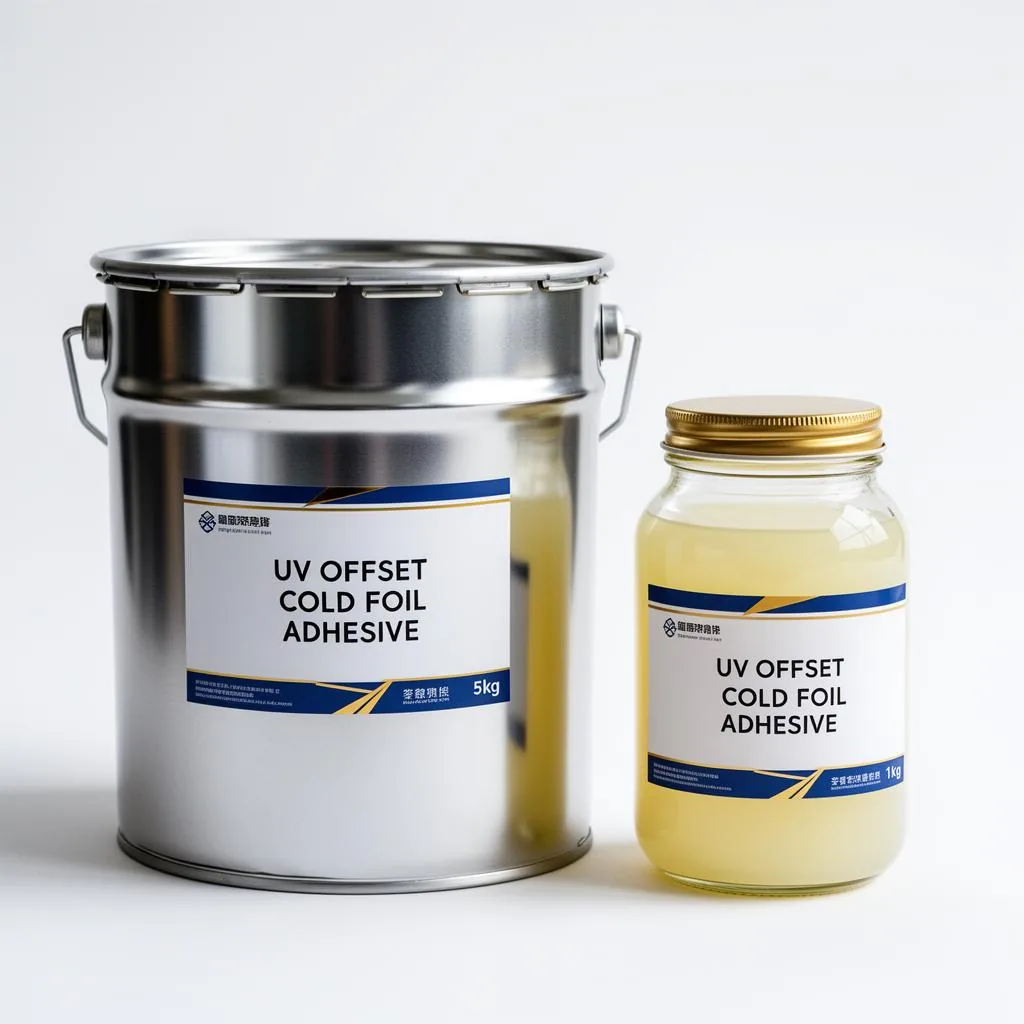
Technical Knowledge · May 25, 2026
Cold Foil Anilox Roller Selection: BCM & LPI Guide
Optimize cold foil stamping with our anilox roller selection guide. Learn BCM, LPI, and cell geometry to choose the right cold foil anilox roller for your needs.
Industry News · Aug 25, 2026
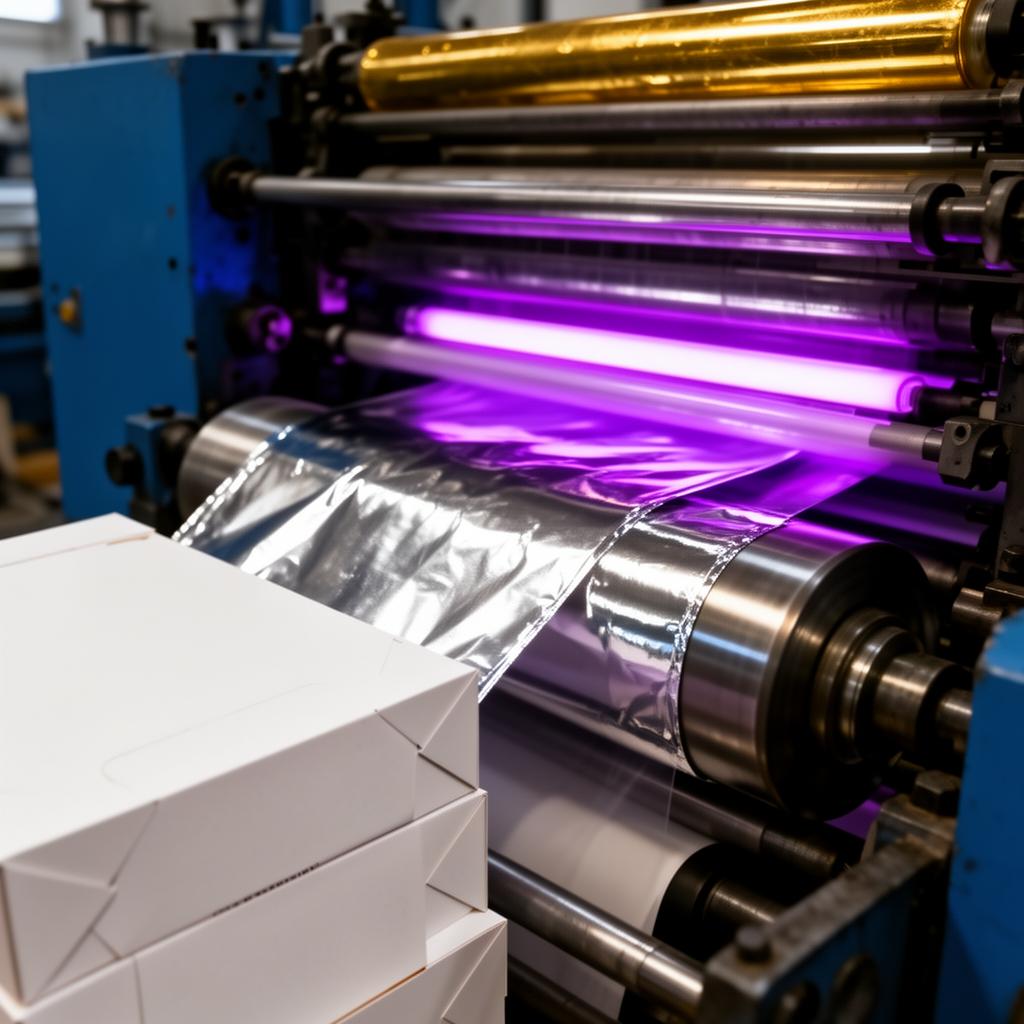
Top 10 Chinese Cold Foil Manufacturers Compared (2026)
A cold foil supplier's honest comparison of the ten most relevant Chinese cold foil producers in 2026 — grouped by specialty across volume flexo, pattern-registered, holographic and integrated supply, with application-based routing guidance.
Industry News · Aug 24, 2026
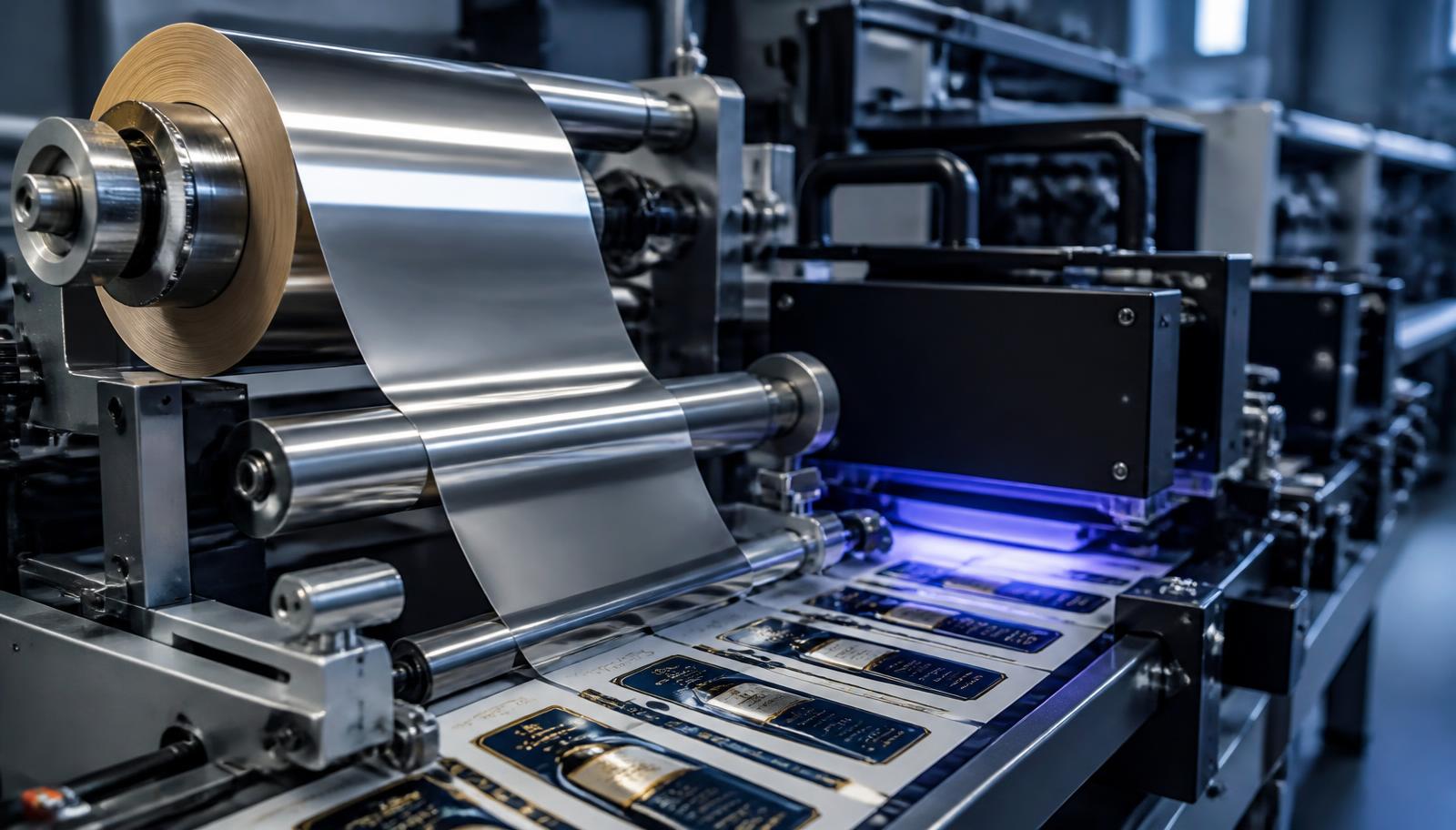
Cold Foil Global Market Analysis 2026: What the Numbers Don't Tell You
A supplier-side read of the global cold foil market in 2026: market size, end-use verticals, regional demand, equipment concentration and where the segment is actually heading — with the confidence levels stated honestly.
Ready to source foil stamping and die-cutting from one supplier?
From stamping foils to post-press machines and die-cutting consumables — get factory-direct pricing and free samples.