
Optimize cold foil stamping with our anilox roller selection guide. Learn BCM, LPI, and cell geometry to choose the right cold foil anilox roller for your needs.
Table of Contents
The anilox roller is the meter that decides how much UV cold foil adhesive lands on the substrate. Get it wrong and every other variable — UV dose, nip pressure, foil tack — fights the press. This guide shows how to spec the right BCM, LPI and cell geometry for a cold foil job, and how to keep the roll within spec after 12 months of production.
If you are still choosing the adhesive chemistry, read the UV flexo vs UV offset adhesive guide. For defect symptoms tied to anilox issues, see the cold foil defects troubleshooting guide.
1. BCM by job type
| Job | Recommended BCM | Coat weight (wet) |
|---|---|---|
| Fine type ≥4 pt, no solids | 3.5 | 1.6–1.9 g/m² |
| Mixed type + small panels < 20 mm | 4.0 | 1.9–2.3 g/m² |
| Large panels 20–60 mm | 4.5 | 2.3–2.8 g/m² |
| Full-coverage labels | 5.0 | 2.8–3.2 g/m² |
| Holographic foil, any size | 4.5–5.0 | 2.5–3.2 g/m² |
2. LPI vs plate screen ratio
The anilox LPI must be at least 4× the plate screen ruling to avoid moiré and to ensure each plate dot picks adhesive from multiple cells. For a 175-line halftone plate, use 800 LPI minimum; 1000 LPI is the safest universal choice for cold foil work.
3. Cell geometry
- 60° hexagonal: Default for UV adhesives. Best release at 800–1200 LPI.
- Tri-helical: Higher volume at the same LPI but lower release efficiency for thin UV chemistries — use only for water-based primers.
- Channel/elongated: Reserved for full-coverage flood; do not use for fine type.
4. Pairing anilox with foil and substrate
The anilox–adhesive–substrate triangle has to balance. A 5.0 BCM anilox with UV flexo cold foil adhesive on a closed-surface BOPP gives a glass-smooth foil deposit; the same anilox on uncoated kraft floods the fibres and causes haloing. For premium board work, switch to UV offset cold foil adhesive on a B1 offset press and forget the anilox entirely.
Match foil types accordingly: standard cold stamping foil works across all BCMs, while the diffraction layer on holographic rainbow foil needs the higher 4.5–5.0 BCM range.
5. Maintenance schedule
- Every shift: Wipe with adhesive-compatible solvent; check for visible plugging under 10× loupe.
- Weekly: Alkaline cleaner soak (pH 11–12) for 15 minutes; rinse with DI water.
- Monthly: Ultrasonic deep clean if average coat weight has drifted >5% from baseline.
- Quarterly: Measure BCM with a 3D microscope or volumetric kit; replace if BCM has dropped more than 8% from new.
- Annually: Re-laser or replace the roll; typical economic life is 18–24 months for cold foil duty.
6. Ordering checklist for the anilox supplier
- Target BCM (from job table above) — ±0.2 tolerance
- LPI (4× plate screen, minimum 800)
- Cell angle 60° hexagonal
- Ceramic coating: chromium oxide, ≥1450 Hv hardness
- Mechanical face width = print width + 25 mm each side
- Bearer diameter and journal spec matching your press
Need help spec'ing an anilox for a new cold foil program? Send your job profile through the cold foil consultation form; we routinely co-spec rolls with the customer's anilox supplier.
Frequently Asked Questions
Quick answers about cold stamping foil.
Companion Products
Specs and samples for the products discussed in this article.
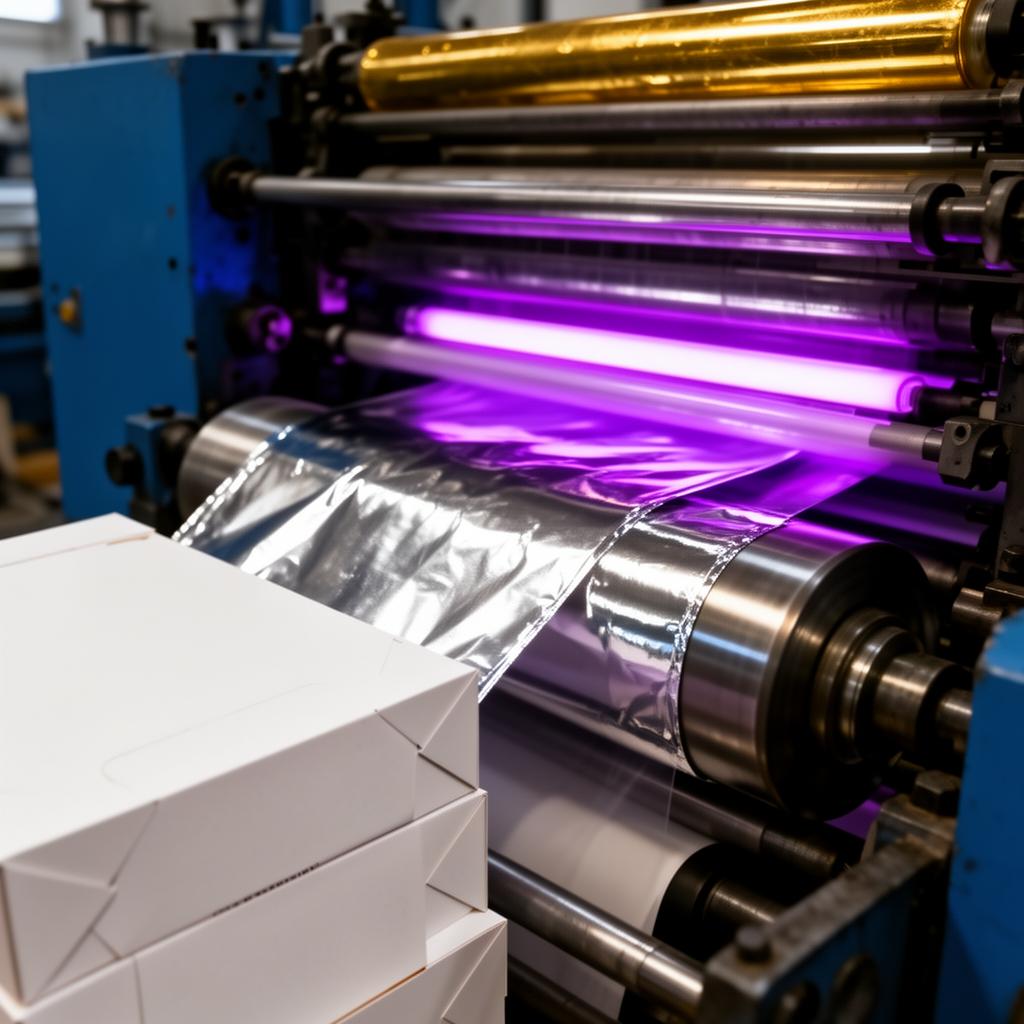
Cold Stamping Foil
Cold stamping foil for inline UV flexo and offset presses — no heat, no dies, up to 150 m/min with metallic, holographic and pigmented finishes.
View product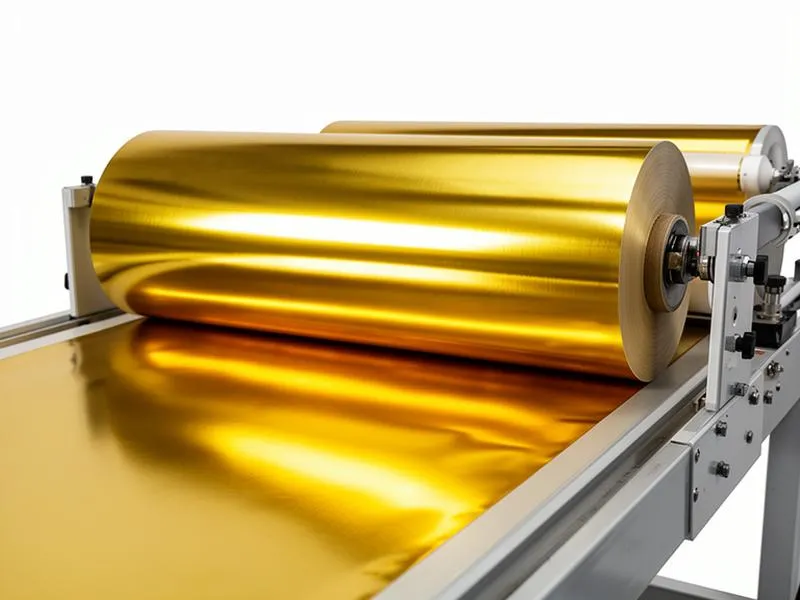
Premium Metallic Gold Hot Stamping Foil
Ultra-bright metallic gold foil with mirror-like reflection for premium packaging and label applications.
View product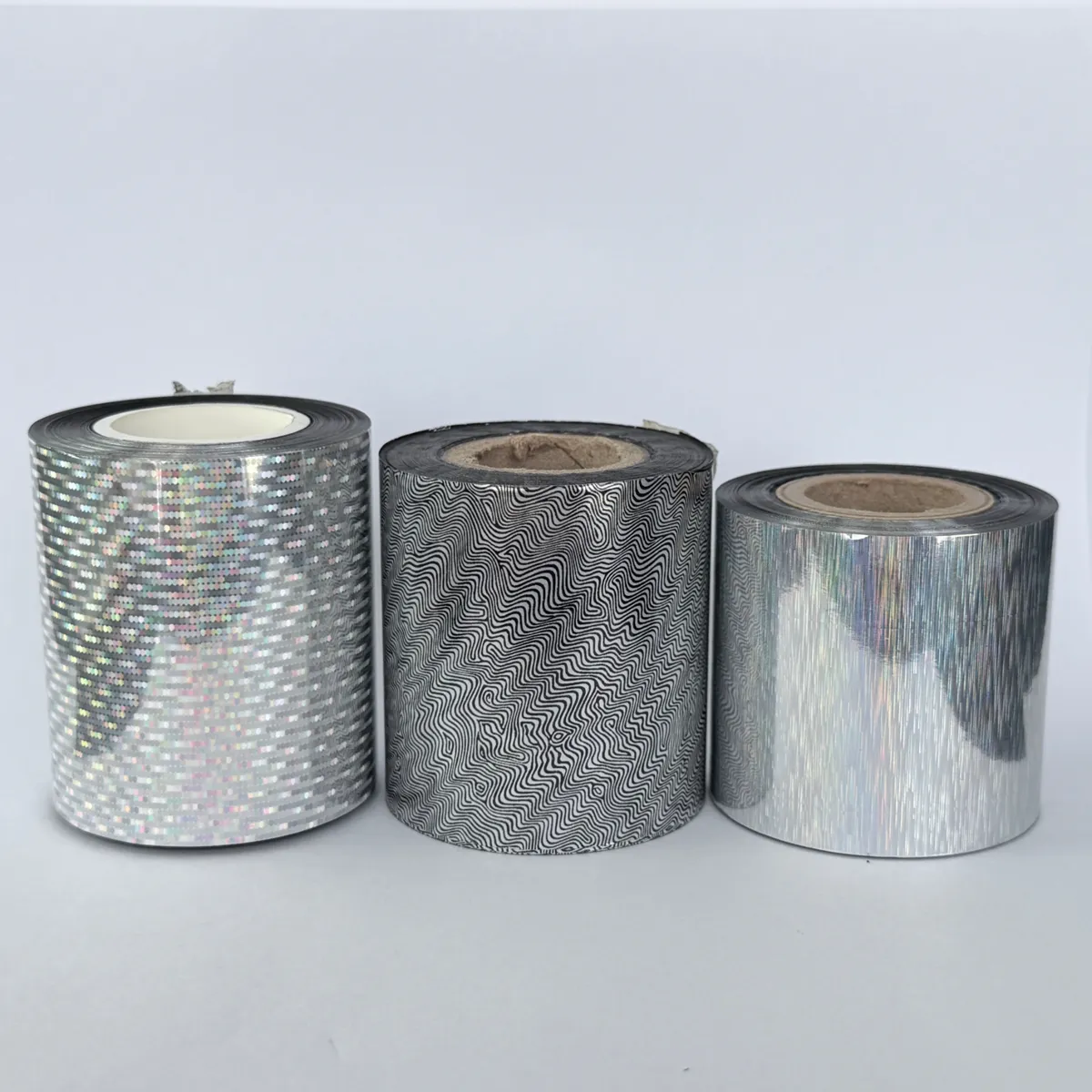
Scratch-Off Foil for Hot Stamping
High-opacity scratch-off foil for lottery tickets, gift cards and security labels — clean removal, no flaking, strong heat-seal bond to paper, cardstock and PVC.
View productRelated Articles
View all
Technical Knowledge · May 25, 2026
Cold Foil Adhesive: UV Flexo vs UV Offset Selection Guide
Compare UV flexo and UV offset cold foil adhesives. This guide helps you choose the right adhesive for optimal packaging printing results.
Technical Knowledge · May 25, 2026
Cold Foil Defects Troubleshooting: Pinholes & Tunneling
Learn to troubleshoot common cold foil defects like pinholes and tunneling with this guide, improving print quality and cold foil application.
Technical Knowledge · Apr 23, 2026
Cold Foiling Process Explained: 4-Step Workflow & Specs
Step-by-step cold foiling process: UV adhesive, foil lamination, UV cure, carrier peel — with parameters, defect fixes and cost benchmarks for 2026.
Ready to source foil stamping and die-cutting from one supplier?
From stamping foils to post-press machines and die-cutting consumables — get factory-direct pricing and free samples.