
Silver, gold, rose gold, gunmetal, hot pink, magenta, white and holographic — the full hot stamping colour range with gloss values, press windows, substrate rules and the shades that actually sell on shelf.
Table of Contents
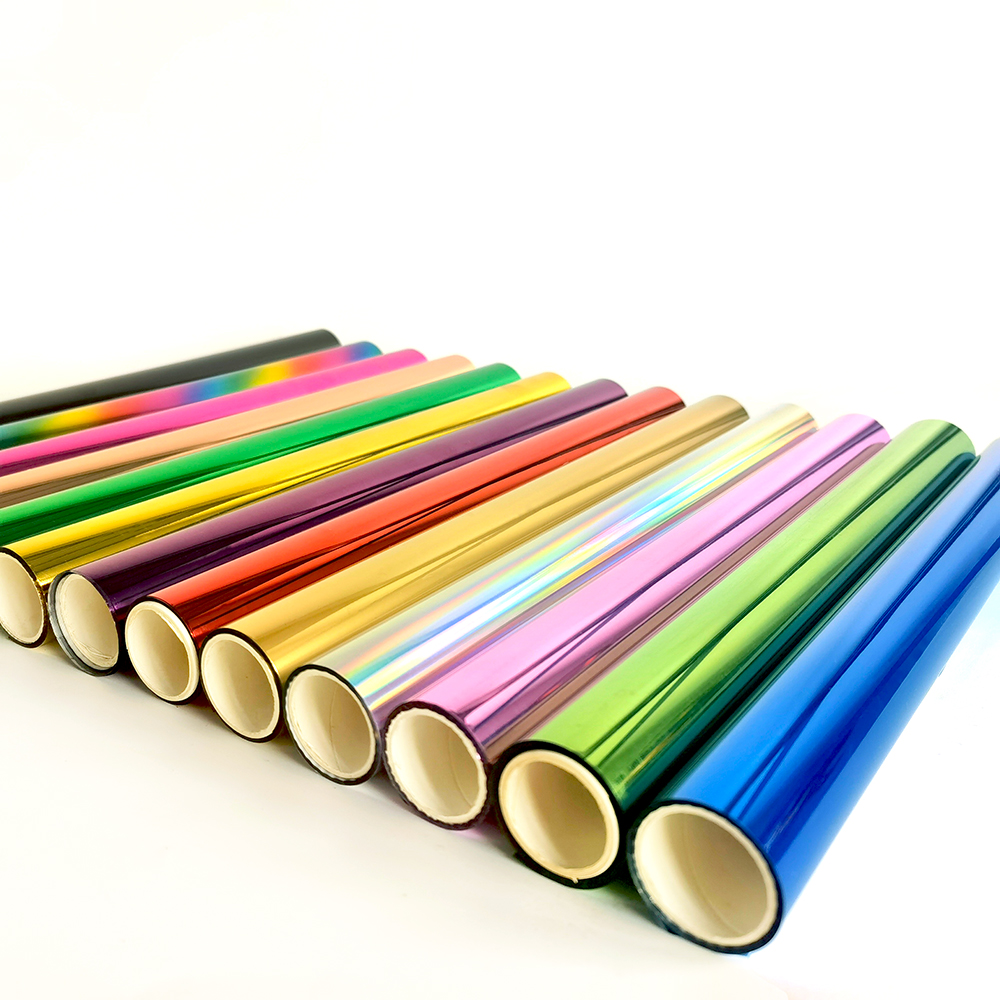
Colour is the first decision on any foil job and the one buyers get wrong most often. A shade that looks perfect on a monitor can read grey on shelf, mute on kraft, or scorch at the temperature your press already runs at. This guide covers the full hot stamping colour range as we actually stock and ship it — gloss values, press windows, substrate behaviour, and the applications each shade wins.
The six colour families
| Family | Examples | Gloss (60°) | Press Window | Notes |
|---|---|---|---|---|
| Metallic | Rich gold, pale gold, bright silver, copper, rose gold | 70–95 GU | 105–140 °C | Aluminium mirror plus tinted lacquer |
| Pigment | White, black, hot pink, magenta, red, blue | 35–60 GU | 100–125 °C | Opaque, no metallisation, scorches sooner |
| Holographic | Rainbow, fine pillar, dot-matrix, seamless star | 70–90 GU | 105–135 °C | Diffraction grating, never above 140 °C |
| Pearlescent | Pearl white, champagne pearl | 35–55 GU | 110–130 °C | Soft shimmer, wedding and fragrance |
| Matte | Matte gold, matt silver, gunmetal | 18–40 GU | 105–135 °C | Hides texture and fingerprints |
| Fluorescent | Neon pink, yellow, green, orange | 40–60 GU | 110–140 °C | Daylight and UV-reactive grades |
Two rules cover most failures. First, pigment and fluorescent foils run cooler than metallics — if you swap a gold for a hot pink without dropping the dial, the first sheets come out with brown feathered edges. Second, gloss level should be chosen against the substrate, not the design: mirror finishes amplify every flaw in uncoated and recycled board, which is why matte foil exists.
Cool tones: silver, gunmetal and white
Bright silver is the mirror; matt silver is the technical finish; gunmetal foil is the dark anthracite metallic that stays legible against white artwork, which is why it dominates men's grooming, tools and automotive packaging. White foil is not a metallic at all — it is a titanium-dioxide pigment foil and the only dependable way to place clean white type on black board, dark film or kraft.
Full shade table, press settings and substrate rules are in the silver foil stamping guide. Live product specs sit on the matt silver hot stamping foil page.
Warm tones: gold, rose gold and copper
Every warm shade shares the same aluminium base; only the lacquer tint changes. That means rich gold, pale gold, champagne, rose gold foil stamping and copper all run on the same die at the same settings — a shade change costs nothing in tooling. Rose gold has been the highest-repeat warm shade in cosmetics and consumer electronics for five straight years.
Shade-by-shade comparison, combination emboss notes and recyclability data are in the gold foil stamping guide; the flagship stock item is premium metallic gold hot stamping foil.
Hot pink and magenta: the two pinks buyers confuse
Hot pink foil is a high-chroma, fluorescent-leaning pink. Under retail lighting it out-shouts anything CMYK can print, which is exactly why beauty, confectionery, youth fashion and festival merchandise keep specifying it. It runs at 110–130 °C and gives its strongest pop on matt-coated and uncoated stock; glossy board with optical brighteners mutes it.
Magenta foil is the disciplined version — a clean process-magenta hue close to Pantone Process Magenta, chosen when the foil has to sit next to printed CMYK on the same panel and match it. If your artwork pairs a printed magenta block with a foiled magenta logo, specify magenta, not hot pink: the two will not match.
Both are pigment foils, so run them 10–15 °C below your metallic setting. For the glow-under-blacklight versions see the fluorescent hot stamping foil guide and the fluorescent hot stamping foil product page.
Holographic: decoration or security
A stock rainbow pattern is decoration — anyone can buy the same roll. A registered hologram made from your own origination master is a security feature and needs ±0.15 mm press registration, 2,000 m² and 25–35 days. Patterns, registration requirements and the textile transfer grade are covered in the hologram hot stamping guide and, for covert features, the security foil guide. Stock rainbow is on the holographic rainbow foil page.
Foil stamping a spine
Spine work is its own discipline. The stamped area is narrow, viewed at arm's length on a shelf, and often on cloth or dark board rather than coated stock.
- Shade: rich gold and bright silver stay legible at distance; matt silver and gunmetal are the modern picks on dark cloth.
- Width: order 30–60 mm slit rolls. Running a spine job off a 640 mm roll wastes 60–80% of the foil.
- Settings: cloth and buckram need longer dwell rather than higher heat — 0.6–1.0 s at 115–130 °C.
- Registration: allow ±0.5 mm spine drift on perfect-bound work; keep type off the hinge.
Choosing without guessing
Screen renderings of metallics are unreliable, and printed swatch charts drift. Order the physical A4 swatch pack, stamp it on your own substrate at your own settings, and keep the retained sheet with the job file. Free swatch packs covering every family above ship in about five business days to qualified buyers.
Ready to spec? Send the shade, roll width, substrate and monthly volume through the contact form and we reply with FOB pricing and lead time within 24 hours, or browse the full foil range.
Frequently Asked Questions
Quick answers about hot pink foil.
Companion Products
Specs and samples for the products discussed in this article.
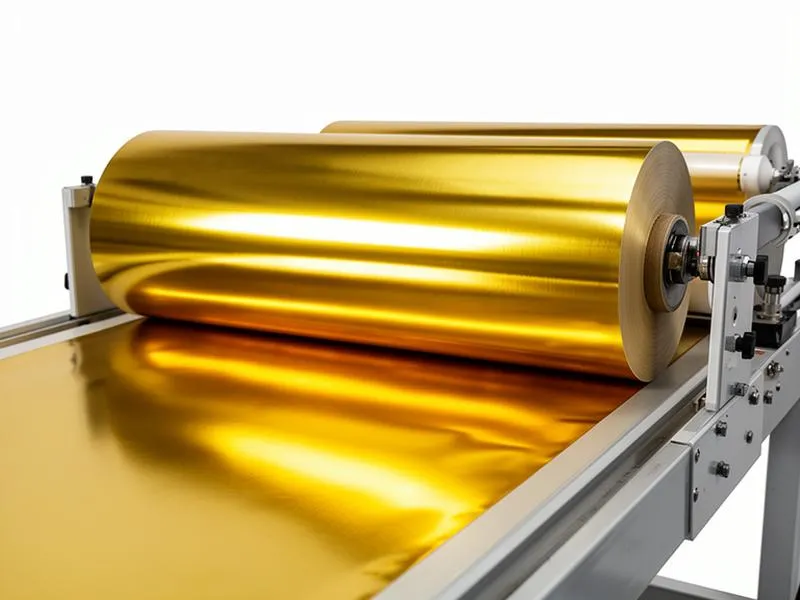
Premium Metallic Gold Hot Stamping Foil
Ultra-bright metallic gold foil with mirror-like reflection for premium packaging and label applications.
View product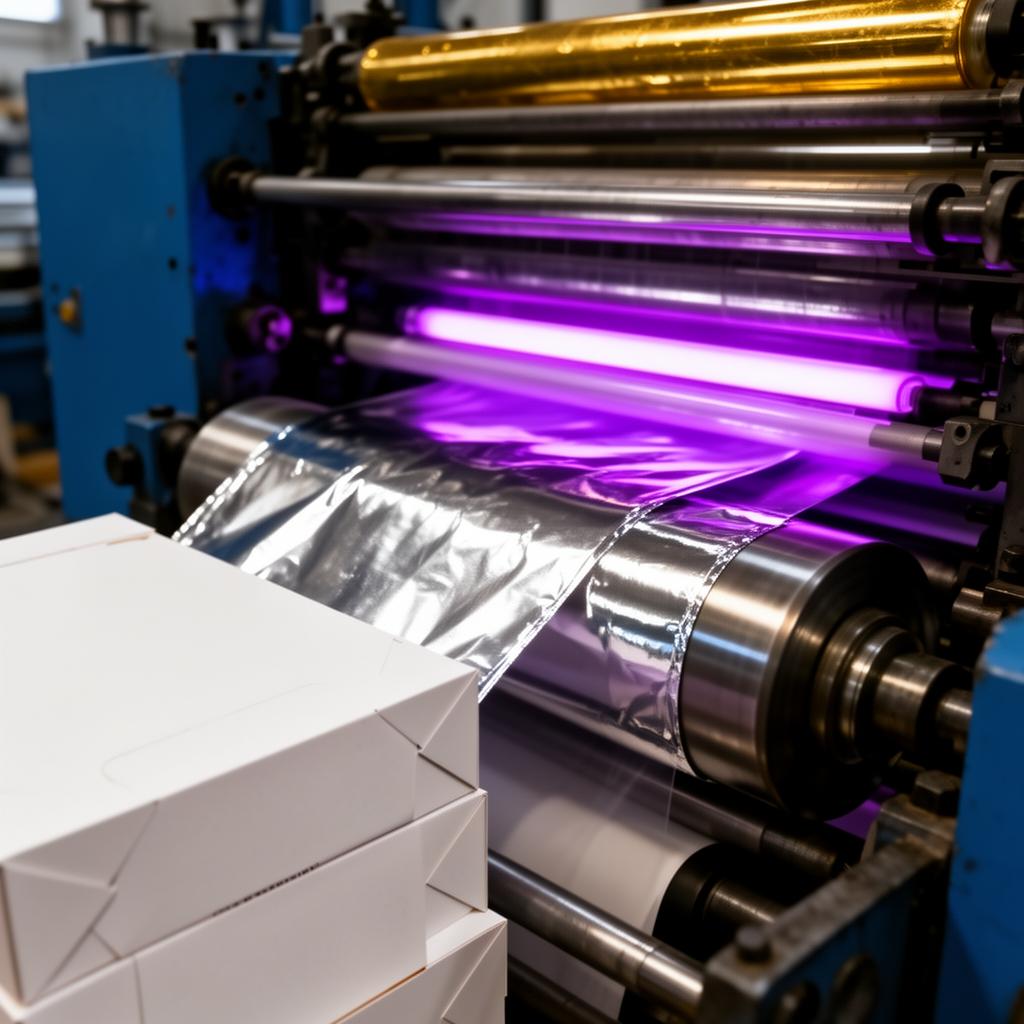
Cold Stamping Foil
Cold stamping foil for inline UV flexo and offset presses — no heat, no dies, up to 150 m/min with metallic, holographic and pigmented finishes.
View product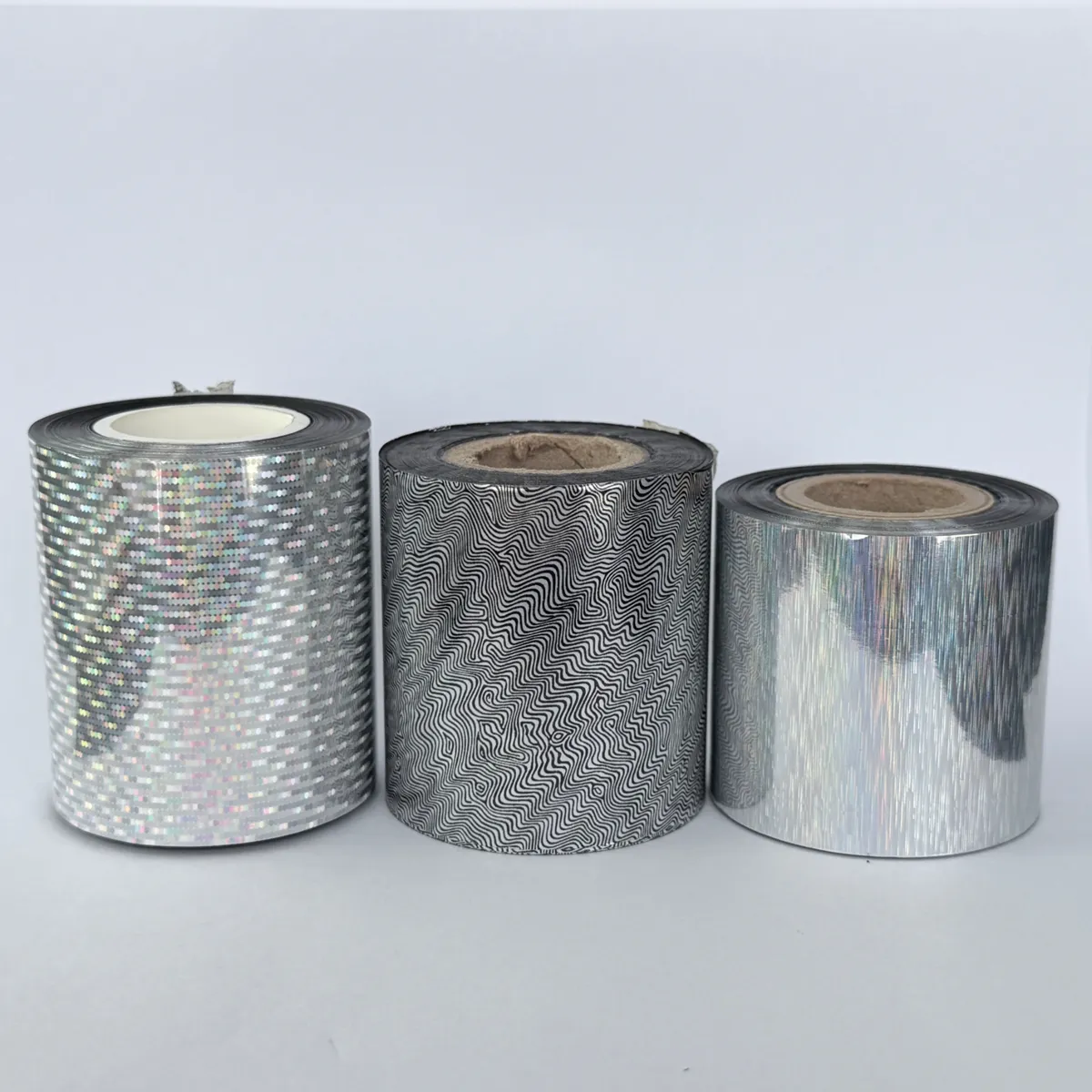
Scratch-Off Foil for Hot Stamping
High-opacity scratch-off foil for lottery tickets, gift cards and security labels — clean removal, no flaking, strong heat-seal bond to paper, cardstock and PVC.
View productRelated Articles
View all
Technical Knowledge · Apr 20, 2026
Hot Stamping Foil for Paper Packaging: Buyer's Guide
Choose hot stamping foil for paper packaging with confidence. This guide helps buyers match foil to substrates and optimize stamping for luxury cartons.

Technical Knowledge · Jan 28, 2026
Automatic Hot Stamping Machine: Buyer's Guide
Choose the best automatic hot stamping machine for your production needs. Learn key specifications and features for optimal selection.
Technical Knowledge · Sep 1, 2026
Toner Reactive Foil: The Complete Guide to Foil Transfer Printing (2026)
How toner reactive foil actually works, which foils transfer cleanly and why, equipment from pouch laminators to dedicated foil machines, sheet versus roll economics, and a supplier-side troubleshooting guide for craft makers, small businesses and print shops.
Ready to source foil stamping and die-cutting from one supplier?
From stamping foils to post-press machines and die-cutting consumables — get factory-direct pricing and free samples.