
الدليل الفني · إصدار 2026
رقائق ختم ساخن قابلة لإعادة التدوير — إزالة الحبر، الامتثال والتعبئة المستدامة
يبقى الورق المقوى بالرقائق المعدنية قابلاً لإعادة التدوير. يشرح هذا الدليل كيف تزيل إزالة الحبر الطبقة المختومة التي تتراوح بين 0.5–1.5 µm، وكيف تقارن الرقائق الموضعية بالورق المقوى المعدني والرقائق، وأي الدرجات الخالية من PFAS والمتوافقة مع EU 94/62/EC يجب تحديدها، وأي تقارير الاختبار تختتم تدقيق تغليف مالك العلامة التجارية.
راجعه Gavin Gao, المدير الفني
إجابة في 60 ثانية
نعم — الورق والورق المقوى المختوم بالحرارة قابلان لإعادة التدوير. الطبقة المنقولة سمكها 0.5–1.5 µm فقط، وعادة ما تكون أقل من 0.2% من وزن العبوة، ولا تلتصق بالألياف أبدًا. في المطحنة، يتم إعادة لب اللوح، وتتحرر الطبقات المعدنية والبوليمرية كرقائق منفصلة تزيلها عمليات الفرز والتعويم مع مرفوضات الحبر. الفويل الموضعي يحافظ على بقية الورقة كلوح قابل لإعادة التدوير، على عكس الرقائق المعدنية. حدد درجة تغليف خالية من PFAS — انظر رقائق الختم الساخن الذهبية و ما هو رقائق الختم الساخن لهيكل الطبقة وراء هذه الأرقام.
الاستنتاجات الهندسية الرئيسية
- 01
الورق والورق المقوى بالرقائق المعدنية يظلان قابلين لإعادة التدوير: الطبقة المنقولة تتراوح بين 0.5–1.5 µm وعادة ما تكون أقل من 0.2% من وزن العبوة.
- 02
تزيل إزالة الحبر الرقائق كرقائق منفصلة في مراحل اللب، الغربلة والتعويم — غالبًا ما يكون إزالتها أسهل من تغطية الحبر الصلب الكثيفة.
- 03
الفويل الموضعي يتفوق على الألواح المعدنية والرقائق: المعدن فقط حيث يتطلبه التصميم، بدون مذيبات، بدون ماء، بدون فرن تجفيف.
- 04
حاملة PET لا تدخل العبوة أبدًا — اجمع الفيلم المستهلك كتيار نظيف أحادي البوليمر وحدد 12 µm لتقليل كتلته بنسبة 25–35%.
- 05
درجات التعبئة والتغليف خالية من PFAS عن قصد وتلبي حدود المعادن الثقيلة للاتحاد الأوروبي 94/62/EC، وفحص REACH SVHC، وEN 71-3.
- 06
حافظ على التغطية أقل من ~30% وبعيدًا عن خطوط اللصق؛ اطلب اختبار INGEDE 11 أو PTS-RH 021 على عملك الفني الفعلي لتصنيف المخطط.
لماذا لا تزال العبوات المرققة قابلة لإعادة التدوير
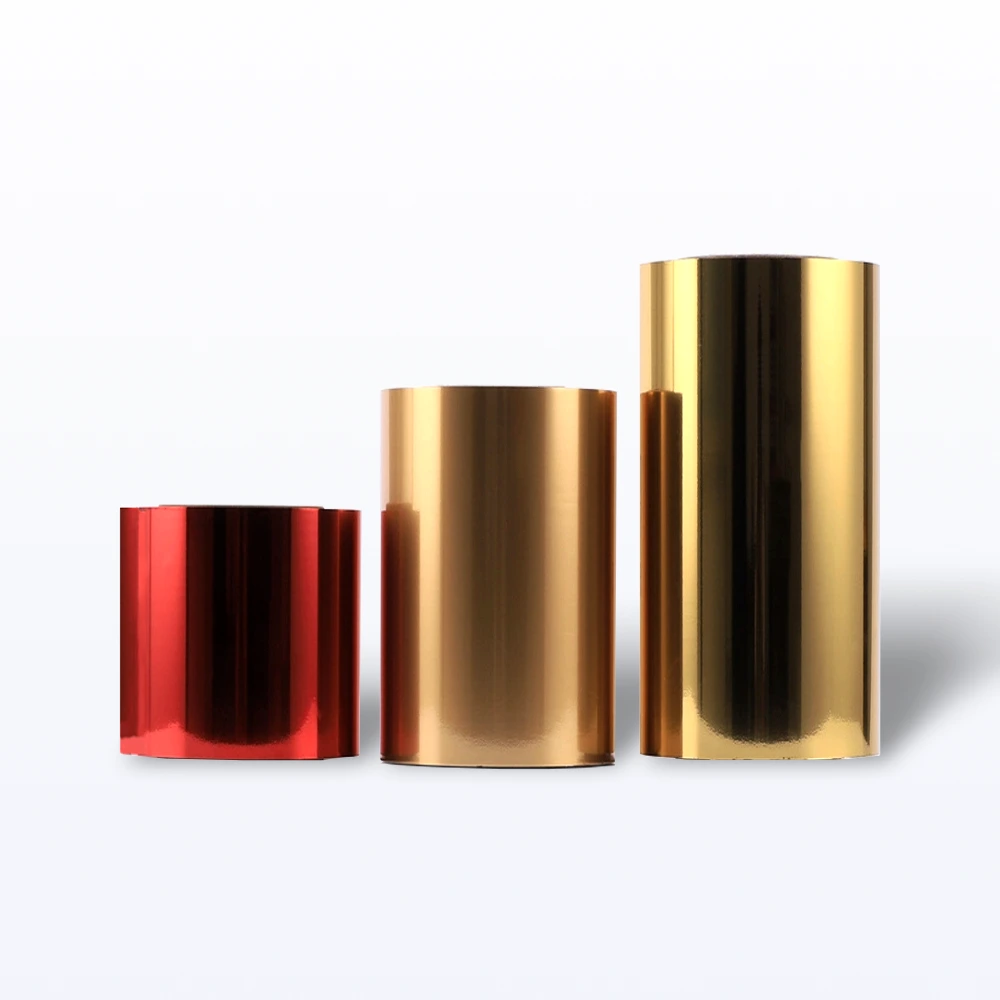
رقائق الختم الساخن هي طبقة نقل متعددة الطبقات مبنية على حامل PET: شمع تحرير، ورنيش، طبقة ألومنيوم مفرغة أو طبقة صبغية، ومادة لاصقة تنشط بالحرارة. تنتقل الطبقات الموجودة أسفل شمع التحرير فقط إلى الركيزة — ما مجموعه 0.5–1.5 µm. ولأن هذا الفيلم يقع فوق الألياف بدلاً من داخلها، فإن إعادة تدويره تفصله ميكانيكيًا بدلاً من كيميائيًا. قارن ذلك بـ طباعة الرقائق الباردة، والذي ينقل طبقة مماثلة بحجم الميكرون باستخدام لاصق UV، ومع اللوح المعدني، حيث تغطي طبقة ألومنيوم مستمرة الورقة بأكملها ويمكن أن تنقل العبوة خارج تيار الورق تمامًا. للتعرف على جانب الطباعة للتزيين منخفض الهدر، انظر دليل آلة ختم الرقائق و الـ دليل القوالب والأدوات، حيث إن الإعداد الصحيح هو ما يوقف عمليات الإعادة — وهي أكبر مصدر منفرد للهدر في تزيين الرقائق المعدنية.
كيف يتم إعادة تدوير الكرتون المرقق — تسلسل من 5 خطوات
الجمع والفرز
يتم جمع الكرتون بالرقائق المعدنية في تيار الورق. يتم فرز الورق المقوى بالرقائق المعدنية الموضعية كورق مقوى لأن الركيزة لا تتغير على أكثر من 90% من مساحتها.
إعادة اللب
يُشتت الماء الدافئ والمواد الخافضة للتوتر السطحي الألياف في 15–30 دقيقة. تنفصل طبقة الرقائق كرقائق لأنها لم تكن مرتبطة أبدًا بمصفوفة الألياف.
الغربلة الخشنة والدقيقة
تزيل الشاشات المشقوقة الرقائق المعدنية الصلبة. رقائق الفويل أكبر من جزيئات الحبر، لذا فإن كفاءة الفرز تكون عالية عادةً.
إزالة الحبر بالتعويم
تحمل فقاعات الهواء الصبغة المتبقية والجزيئات المعدنية إلى طبقة الرغوة. يتم تسجيل النتائج حسب مساحة بقعة الأوساخ المتبقية وفقًا لطريقة INGEDE 11.
التصنيف والتوثيق
يتم تصنيف اللب المسترجع من حيث السطوع وعدد الشوائب. احتفظ بتقرير الاختبار مع العمل الفني حتى يمكن إعادة الإعلان عن نفس التركيبة في عمليات إعادة الطباعة.
مقارنة طرق التزيين — تأثير قابلية إعادة التدوير
تم تقييمه للكرتون القابل للطي ولوح الملصقات في تيار الورق الأوروبي.
| الطريقة | مادة مضافة | التغطية النموذجية | نتيجة تدفق الورق |
|---|---|---|---|
| الختم الساخن (الموضعي) | طبقة نقل 0.5–1.5 µm | 2–8% من الورقة | قابلة لإعادة التدوير — تُزال الرقائق في الفرز/التعويم |
| رقائق باردة (موضعية، مدمجة) | 0.5–1.2 µm + لاصق UV | 3–15% من الورقة | قابلة لإعادة التدوير بالتغطية العادية؛ اختبر فوق 30% |
| ورق مقوى معدني | طبقة معدنية مفرغة مستمرة | 100% من الورقة | غالبًا ما ترفضها المطاحن أو تخفض تصنيفها |
| رقائق PET معدنية | فيلم بلاستيكي ملتصق 12–19 µm | 100% من الورقة | غير قابل لإعادة اللب — يُعامل كمركب |
| حبر معدني | طبقة حبر صبغي 1.5–4 g/m² | 5–30% من الورقة | قابلة لإعادة التدوير، ولكن حمولة بقع الأوساخ أثقل من الرقائق |
قائمة مراجعة مواصفات الاستدامة
| المعلمة | درجة التعبئة والتغليف القياسية | درجة العلامة التجارية المدققة |
|---|---|---|
| سُمك حامل PET | 16–19 µm | 12 µm (استهلاك فيلم أقل بنسبة 25–35%) |
| سمك طبقة النقل | 0.8–1.5 µm | 0.5–1.0 µm |
| الوزن المضاف لكل كرتونة | < 0.3% | < 0.2% |
| PFAS | لا يوجد PFAS مضاف عن قصد | إعلان على الملف لكل دفعة |
| المعادن الثقيلة (Pb+Cd+Hg+Cr VI) | < 100 ppm (EU 94/62/EC) | < 100 ppm + تقرير اختبار |
| REACH SVHC | مصفى | مصفى + بيان |
| EN 71-3 (تغليف الألعاب) | عند الطلب | مشمول |
| بيانات قابلية إزالة الحبر | تقرير عام | INGEDE 11 على عملك الفني |
| بيانات قابلية إعادة اللب | عند الطلب | PTS-RH 021 على لوحك |
| إرشادات استرجاع الحامل | مشمول | مشمول + مواصفات التجميع |
حيث تكتسب مواصفات الرقائق المستدامة أهمية قصوى
استبدل اللوح المعدني برقائق موضعية للحفاظ على الكرتون في تيار الورق مع الحفاظ على نفس التأثير على الرف.
درجات آمنة للتلامس مع الطعام مع إعلانات الامتثال، تُحفظ بعيدًا عن طبقات الغراء حتى يتم إعادة تلبيد الكرتون بشكل متوقع.
فويل موضعي على ورق ملصقات مقاوم للرطوبة؛ تغطية أقل من 30% تحافظ على درجات إزالة الحبر ضمن النطاق المقبول.
وثائق المعادن الثقيلة وREACH تُقدم لكل دفعة لعمليات تدقيق سلسلة التوريد المنظمة.
تكافئ أنظمة الرسوم المعدلة في المملكة المتحدة والاتحاد الأوروبي التنسيقات القابلة لإعادة التدوير — تدعم وثائق الرقائق الموضعية التصنيف الأعلى.
تتوافق مع EN 71-3 للهجرة، وهي مدرجة ضمن تصنيف العلامة التجارية المدققة للفئات الحرجة للسلامة.
الأسئلة الشائعة حول المواصفات الفنية
Q01هل رقائق الختم الساخن قابلة لإعادة التدوير؟+
الزخرفة المختومة نفسها ليست مادة قابلة لإعادة التدوير، لكن الورق والكرتون المفويل قابلان لإعادة التدوير. الطبقة المنقولة سمكها 0.5–1.5 µm وتضيف عادةً أقل من 0.2% إلى وزن علبة قابلة للطي، لذا تتم إزالتها مع المرفوضات في مرحلة إعادة اللب وإزالة الحبر بالتعويم. اختبارات إزالة الحبر الأوروبية (INGEDE Method 11) واختبارات إعادة اللب (PTS-RH 021) تجتاز بشكل روتيني الألواح المختومة بالحرارة التي تحمل تغطية عادية.
Q02كيف تزيل عملية إزالة الحبر الرقائق؟+
يتم إعادة تلبيد الورق المقوى بالرقائق المعدنية في ماء دافئ مع مواد خافضة للتوتر السطحي. تتشتت ألياف الورق بينما تبقى طبقة الألومنيوم/الصبغة وطبقات البوليمر واللاصق كرقائق منفصلة لأنها لا تلتصق بالألياف أبدًا. ثم يتم إزالة هذه الرقائق بالفرز والتعويم مع الحبر ورفضات الطلاء. ولأن رقائق الرقائق المعدنية أكبر وأكثر صلابة من جزيئات الحبر، فإن إزالتها بالفرز أسهل في الواقع من إزالة التغطية بالحبر الصلب الثقيل.
Q03هل الختم بالرقائق أكثر استدامة من الورق المقوى المعدني أو الرقائق المعدنية؟+
عادة نعم. يحمل اللامينيت المعدني والورق المقوى المعدني طبقة بلاستيكية أو ألومنيوم مستمرة عبر الورقة بأكملها، مما قد يخرج العبوة من تيار إعادة تدوير الورق. يطبق الختم الساخن المعدن فقط حيث يتطلبه التصميم — عادة 2–8% من مساحة الورقة — تاركًا الباقي كلوح ورقي عادي قابل لإعادة التدوير، بدون مذيبات، بدون استخدام ماء، وبدون فرن تجفيف في خطوة الزخرفة.
Q04ماذا يحدث لفيلم PET الحامل بعد الختم؟+
تبقى حاملة PET بسمك 12–19 µm على قلب اللفة كفيلم مستخدم ولا تدخل العبوة أبدًا. الحاملة المستهلكة المجمعة هي تيار PET نظيف أحادي البوليمر يمكن بيعه لمعيدي تدوير الأفلام بدلاً من دفنه في مكب النفايات. نحن نقدم إرشادات الاسترجاع ويمكننا تقديم عروض أسعار لحاملات 12 µm، والتي تقلل كتلة الفيلم المستهلك بنسبة تتراوح تقريبًا بين 25–35% مقارنة بحاملة 19 µm بنفس طول التشغيل.
Q05هل توجد درجات رقائق خالية من PFAS والمعادن الثقيلة؟+
نعم. تُورّد درجات التعبئة والتغليف لدينا خالية من مواد PFAS المضافة عمدًا وتتوافق مع حدود المعادن الثقيلة لتوجيه الاتحاد الأوروبي للتعبئة والتغليف 94/62/EC (مجموع Pb وCd وHg وCr VI أقل من 100 ppm)، بالإضافة إلى فحص REACH SVHC وEN 71-3 لتغليف الألعاب ومنتجات الأطفال. تتوفر درجات آمنة لملامسة الطعام مع إعلانات الامتثال لتغليف التلامس الثانوي والمباشر.
Q06هل تؤثر تغطية الرقائق المعدنية على تصنيف قابلية إعادة التدوير؟+
يمكن ذلك عند التغطية العالية. معظم بروتوكولات قابلية إزالة الحبر تسجل النتائج حسب مساحة بقعة الأوساخ المتبقية، لذا فإن اللوحة المعدنية ذات التغطية الكاملة تتصرف بشكل مختلف عن الشعار المختوم. حافظ على التغطية أقل من 30% تقريبًا من السطح، وتجنب الختم فوق منطقة خط اللصق بالكامل، واطلب اختبار قابلية إزالة الحبر على عملك الفني الفعلي إذا كان يجب تصنيف العبوة لبرنامج وطني لإعادة التدوير مثل CEFLEX أو 4evergreen أو رسوم EPR معدلة في المملكة المتحدة.
Q07كيف أوثق استدامة الرقائق لتدقيق العلامة التجارية؟+
اطلب من موردك أربعة مستندات: ورقة بيانات سلامة المواد، وإعلان الاتحاد الأوروبي 94/62/EC بشأن المعادن الثقيلة وPFAS، وتقرير اختبار قابلية إزالة الحبر أو إعادة اللب للورق المقوى المكسو بالرقائق، ومواصفات طبقة الحامل مع إرشادات الاسترجاع. نحن نوفر جميع المستندات الأربعة مع كل طلب من درجات التعبئة والتغليف حتى يمكن إغلاق تدقيق التعبئة والتغليف لمالك علامتك التجارية دون إعادة اختبار معملي.
Q08هل يمكنك توفير عينة من الورق المقوى المكسو بالرقائق لاختبار قابلية إعادة التدوير؟+
نعم. أرسل درجة الورق المقوى وتغطية العمل الفني الخاص بك وسنقوم بشحن أوراق اختبار A4 مختومة بالرقائق التي اخترتها، مجانًا للمشترين المؤهلين، حتى يتمكن مُعيد التدوير أو مركز الاختبار الخاص بك من إجراء INGEDE 11 أو PTS-RH 021 على التركيبة الدقيقة التي تنوي إنتاجها.
أوراق اختبار مختومة مجانية لتدقيق قابلية إعادة التدوير الخاص بك
أرسل لنا نوع لوح الكرتون الخاص بك، وتغطية العمل الفني، والسوق المستهدف — وسنقوم بشحن أوراق اختبار A4 مختومة بالإضافة إلى وثائق PFAS والمعادن الثقيلة وإزالة الحبر التي يحتاجها تدقيق مالك علامتك التجارية.