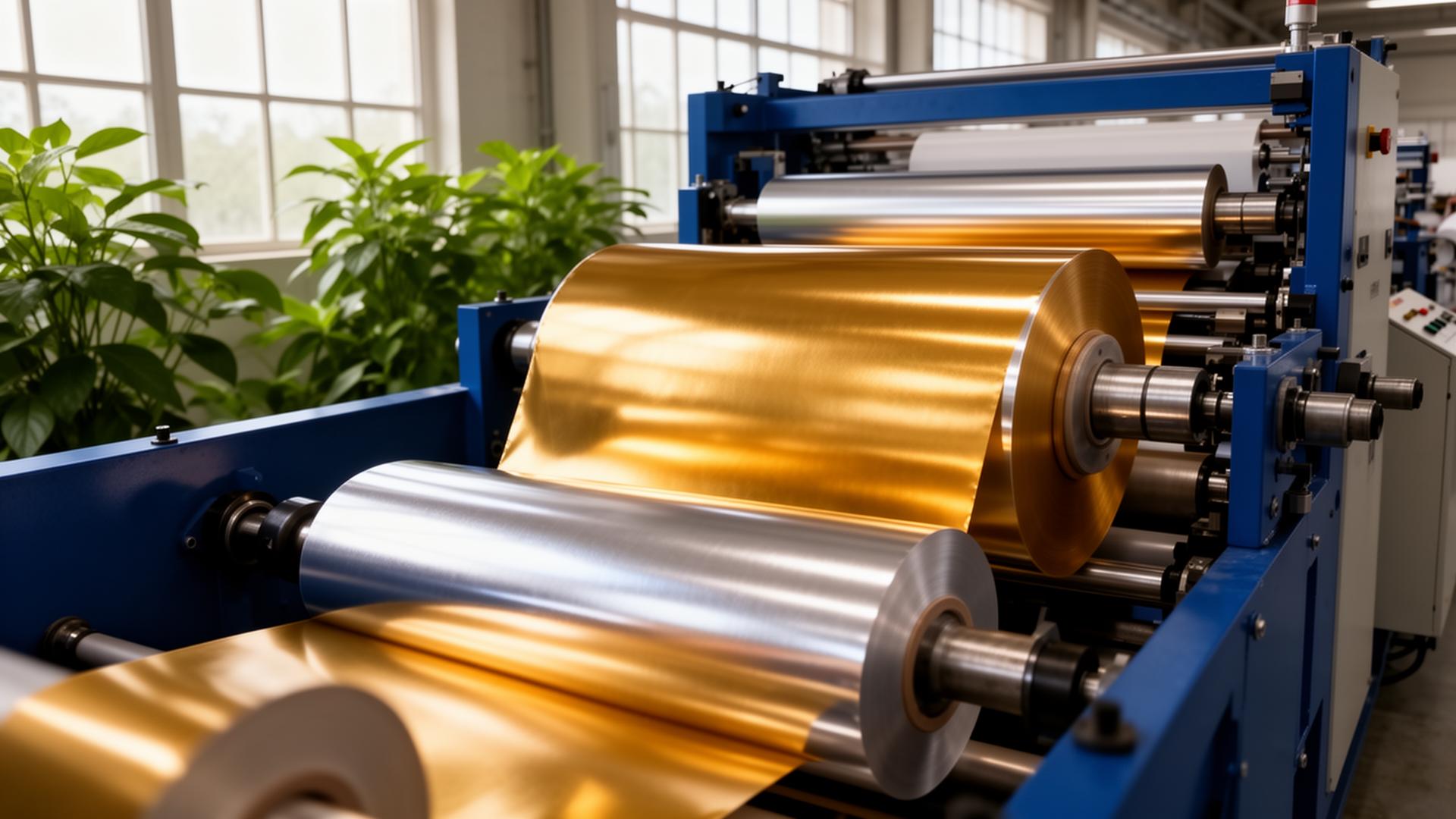
From PPWR-compliant mono-material PET-free carriers to bio-based release coatings and aluminium-recovery programs — here is what brand owners and converters need to know about sustainable stamping foil in 2026.
Table of Contents
- 1. Why Stamping Foil Suddenly Became a Sustainability Topic
- 2. The Four Sustainable Foil Architectures Available in 2026
- 2.1 PET-Free Mono-Material Foils
- 2.2 Recyclable Hot Stamping Foil (De-Metallisable)
- 2.3 Cold Foil with Water-Based Adhesive
- 2.4 Bio-Based Digital Foil
- 3. Specification Cheat Sheet for Buyers
- 4. The Aluminium Recovery Opportunity Nobody Talks About
- 5. What to Audit at Your Foil Supplier in 2026
- 6. Bringing It All Together
- Frequently Asked Questions
Sustainability has moved from a marketing claim to a regulatory deadline. With the EU Packaging and Packaging Waste Regulation (PPWR) coming into force, brand owners are auditing every decorative layer on their packaging — and stamping foil is now firmly in scope. The good news: the foil industry has spent the last 36 months re-engineering its supply chain, and 2026 is the first year that PET-free, recyclable, mono-material and bio-based foils are commercially available at industrial volumes. This guide explains what changed, what is real, and what to specify on your next tender.
1. Why Stamping Foil Suddenly Became a Sustainability Topic
A traditional hot stamping foil is a five-layer construction: a 12–23 µm PET carrier, a release coat, a colour lacquer, a 30–50 nm aluminium metallised layer and a heat-activated adhesive. After stamping, the PET carrier — roughly 95% of the foil's mass — becomes industrial waste. With converters running tens of thousands of square metres a day, that PET stream is now visible to corporate ESG reports and to regulators writing the PPWR's Extended Producer Responsibility (EPR) fees.
Three pressures hit at once in 2025–2026:
- PPWR Article 6 requires all packaging to be "recyclable by design" by 2030, with interim milestones in 2028. Heavily metallised laminates that disrupt paper repulping are flagged.
- Brand owner Scope 3 targets. LVMH, L'Oréal, Estée Lauder and Unilever have published packaging carbon-intensity targets for 2027 — foil suppliers must now provide a verified GHG Protocol footprint per kg of foil.
- Retailer scorecards. Walmart, Carrefour and Tesco now score suppliers on packaging recyclability — losing a tier costs shelf space.
2. The Four Sustainable Foil Architectures Available in 2026
2.1 PET-Free Mono-Material Foils
The PET carrier is replaced by a bio-based or recycled-content polymer (typically PLA, recycled PE or mono-PP) so the spent carrier enters the same recycling stream as the rest of the package. Performance gap versus virgin PET is now under 5% on release force and within ±3 °C on operating temperature — a non-issue for most jobs run on a modern press such as the XG1080G Automatic Hot Stamping Machine.
2.2 Recyclable Hot Stamping Foil (De-Metallisable)
The aluminium layer is engineered to detach during the alkaline paper-repulping process, so the decorated foil-stamped carton can be recycled in the standard fibre stream without the metallic fragments clogging screens. Verified to CEPI and PTS-RH 021 protocols. This is the most pragmatic upgrade for brands that cannot change their carton stock.
2.3 Cold Foil with Water-Based Adhesive
The classical cold stamping foil system used UV-cure acrylate adhesives, which complicate recycling. The 2026 generation uses water-based adhesives that pass repulping tests and reduce VOC emissions on press by 60–80%. Throughput on flexo and offset lines is unchanged.
2.4 Bio-Based Digital Foil
For short-run luxury work, digital toner-reactive foils are now available with bio-attributed PET carriers (mass-balance ISCC PLUS certified) and plant-based release coatings. Footprint per A3 sheet drops 35–45% versus the conventional grade with no quality penalty.
3. Specification Cheat Sheet for Buyers
| Decorative goal | Recommended sustainable grade | Recyclable in | Cost premium vs standard |
|---|---|---|---|
| Premium spirits carton (long run) | De-metallisable hot foil + FSC board | Paper stream | +8–12% |
| Cosmetic mono-material pouch | PET-free mono-PP cold foil | PP stream | +10–15% |
| Short-run personalised gift box | Bio-based digital foil | Paper stream | +15–20% |
| Holographic security label | Recyclable holographic foil on washable adhesive | Paper / PE stream | +12–18% |
| Textile garment label | OEKO-TEX-certified washable metallic foil | Textile recycling | +5–10% |
4. The Aluminium Recovery Opportunity Nobody Talks About
A converter running 8 hours/day on a 1080 mm press consumes 12–20 tonnes of PET-aluminium foil ribbon per year. Spent foil rolls are 30–40% aluminium-equivalent value if collected and pyrolysed properly. In 2026, three closed-loop programs operate at scale in Europe (Kurz Recosys), North America (API Group Reclaim) and Asia. We help customers join the regional program nearest to their plant — ask your account manager for the take-back paperwork.
5. What to Audit at Your Foil Supplier in 2026
- ISCC PLUS or REDcert² certification for any "bio-based" or "recycled-content" claim.
- PTS-RH 021 repulpability report for any "recyclable" claim on paper applications.
- Verified product carbon footprint (PCF) per ISO 14067 — not a generic industry average.
- Take-back program with documented aluminium recovery rate.
- OEKO-TEX or REACH SVHC compliance for any direct-skin-contact applications.
6. Bringing It All Together
The transition is not "sustainable foil instead of beautiful foil" — it is "beautiful foil that also passes the recycling test." Pair a de-metallisable stamping foil with a modern press running optimised dwell, then specify a take-back program with your supplier, and you can hit a 40–60% footprint reduction on your decorated cartons in a single sourcing cycle. For longer runs, switch to inline cold foil with water-based adhesive. For runs under 2,000 units, digital foil now offers a bio-based option that was simply not available 18 months ago. The technology is ready — the gating factor is now procurement, not engineering.
Need help speccing the right sustainable foil for your next project? Talk to our packaging engineers — we publish the recyclability test reports openly.
Frequently Asked Questions
Quick answers about sustainable foil.
Companion Products
Specs and samples for the products discussed in this article.
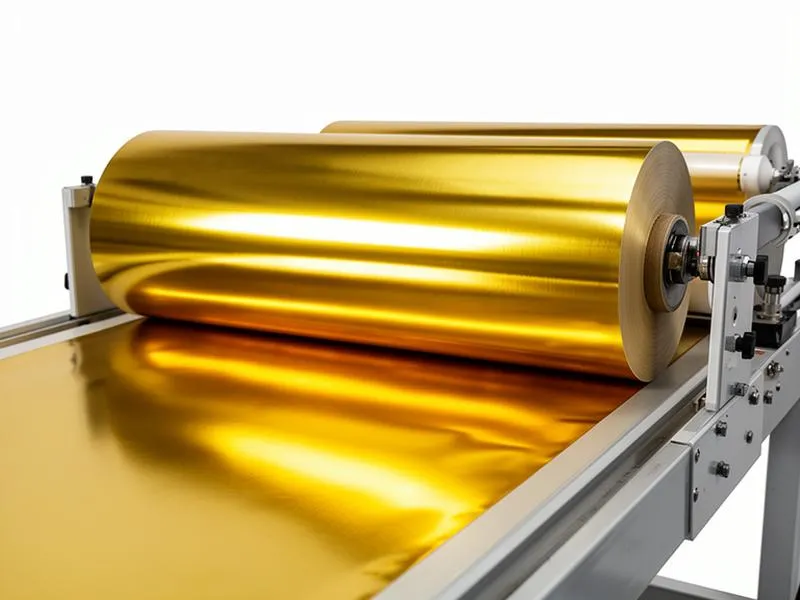
Premium Metallic Gold Hot Stamping Foil
Ultra-bright metallic gold foil with mirror-like reflection for premium packaging and label applications.
View product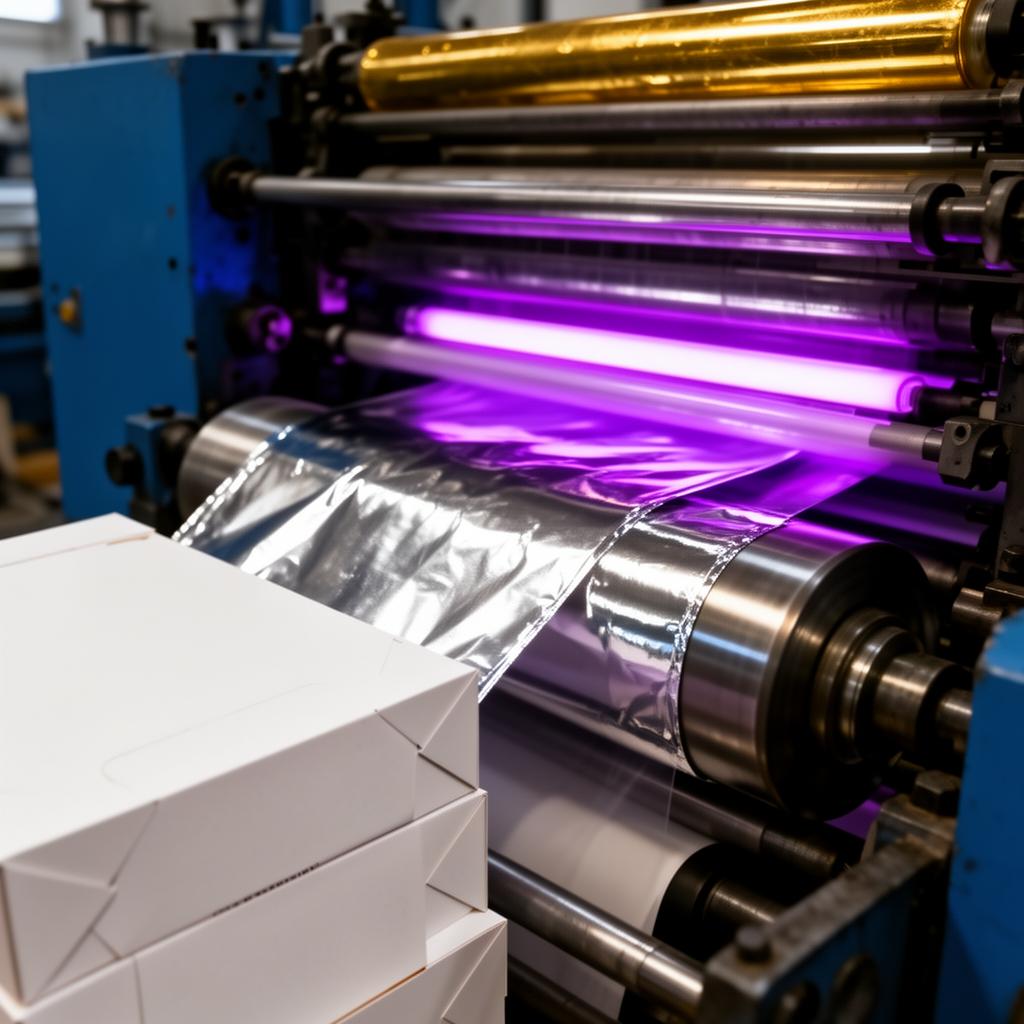
Cold Stamping Foil
Cold stamping foil for inline UV flexo and offset presses — no heat, no dies, up to 150 m/min with metallic, holographic and pigmented finishes.
View product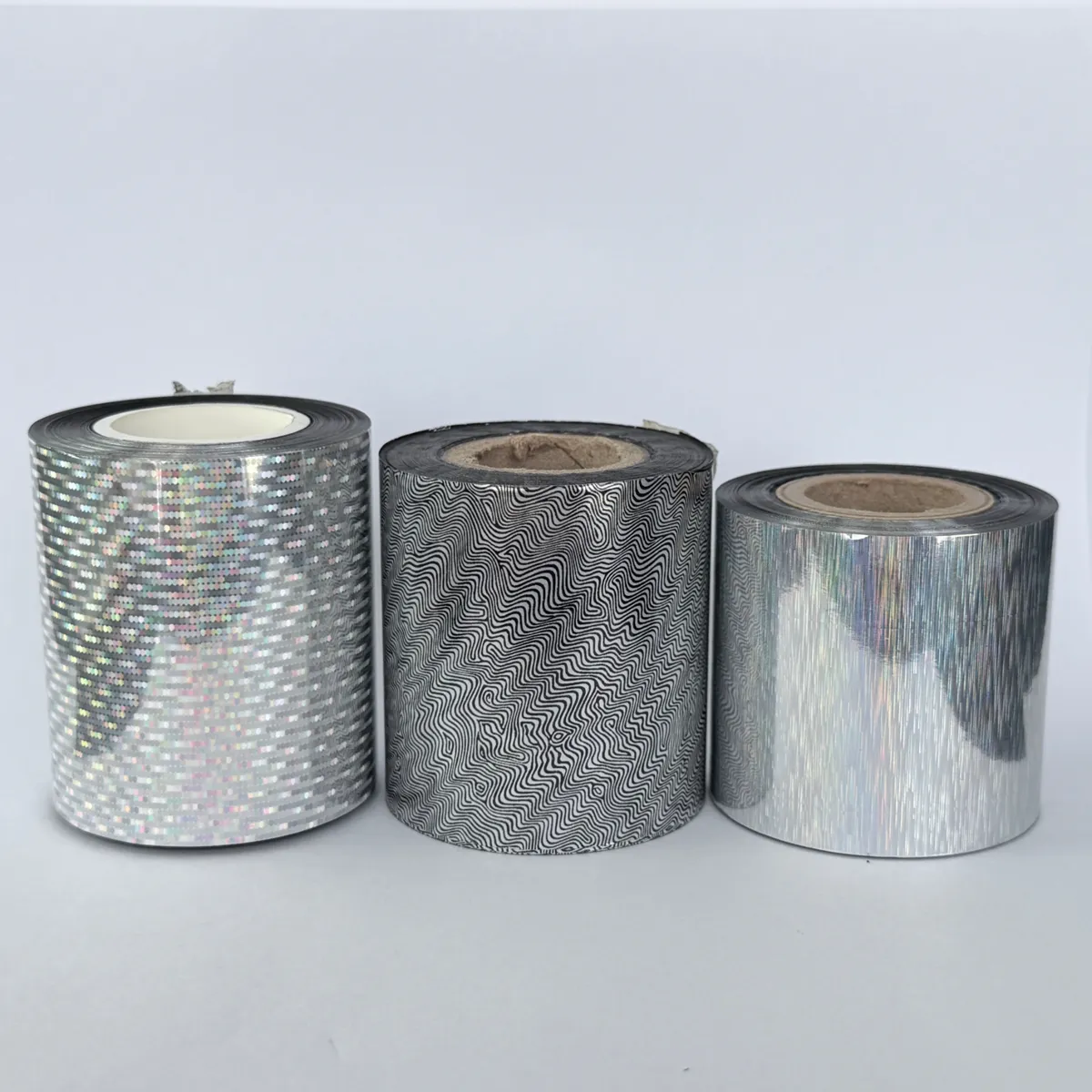
Scratch-Off Foil for Hot Stamping
High-opacity scratch-off foil for lottery tickets, gift cards and security labels — clean removal, no flaking, strong heat-seal bond to paper, cardstock and PVC.
View productRelated Articles
View all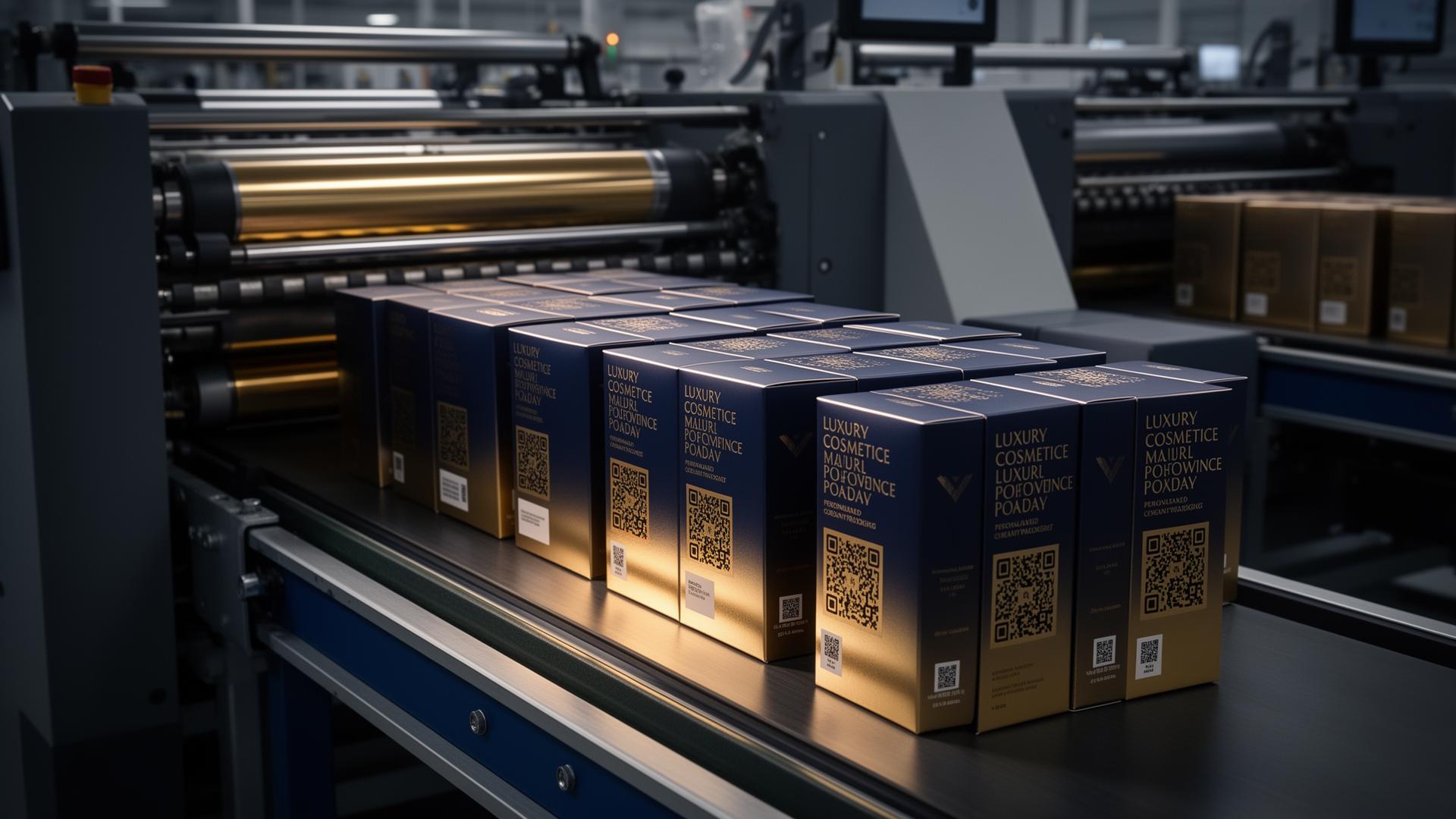
Industry News · May 29, 2026
Digital Foil Printing for Personalized Packaging: The 2026 Brand Playbook
Variable foil, run-of-one luxury and connected packaging are no longer experiments — they are shipping in volume. Here is how leading brands are using digital foil printing in 2026 to drive engagement, traceability and shelf differentiation.
Technical Knowledge · Apr 21, 2026
Hot Foil vs Cold Foil vs Digital Foil: Which Foiling Method Wins in 2026?
Hot stamping, cold foil and digital foil all deliver a metallic finish — but the economics, substrate freedom and minimum order size are completely different. Here is a side-by-side decision framework for packaging buyers and converters in 2026.
Industry News · Apr 16, 2026
Holographic Foil Applications in 2026: Luxury Packaging, Anti-Counterfeit & Brand Protection Trends
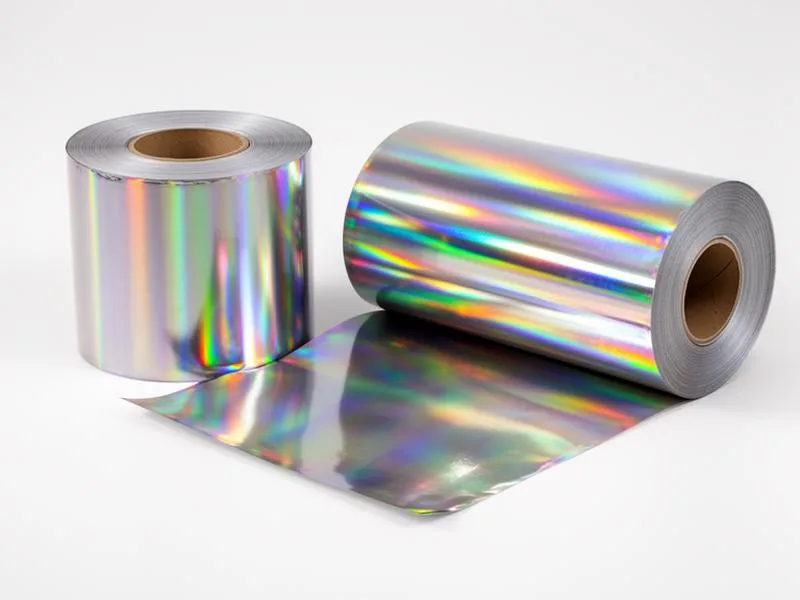
From cosmetics shelves to pharmaceutical security, holographic foil is the fastest-growing segment in decorative finishing. Here's where it's winning in 2026 — and how converters can capture demand.
Ready to source from a true Packaging Resource Integrator?
From stamping foils to self-adhesive materials and post-press equipment — get factory-direct pricing and free samples.