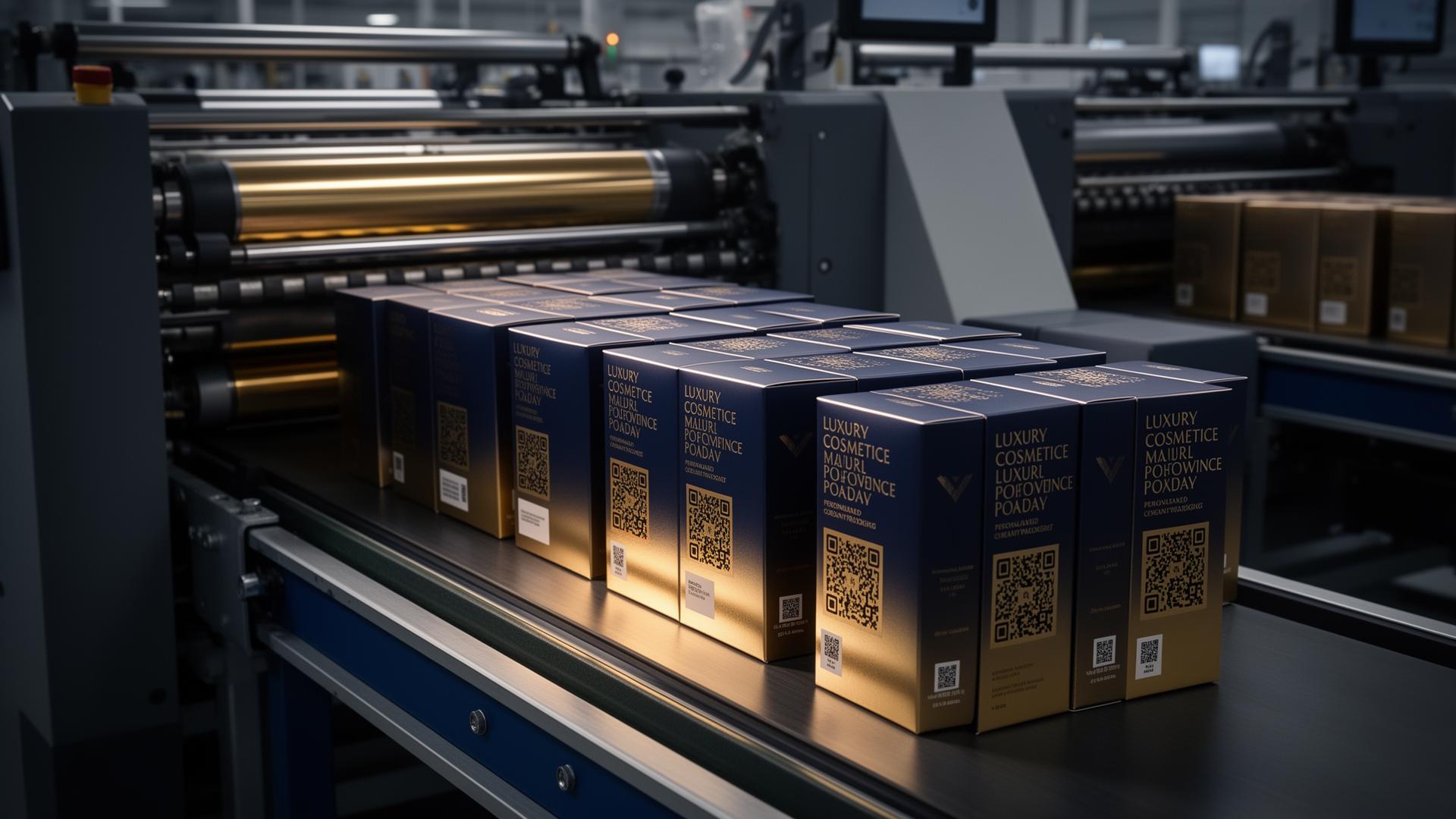
Variable foil, run-of-one luxury and connected packaging are no longer experiments — they are shipping in volume. Here is how leading brands are using digital foil printing in 2026 to drive engagement, traceability and shelf differentiation.
Table of Contents
- 1. How Digital Foil Printing Actually Works in 2026
- 2. The Five Personalised Foil Use Cases Winning in 2026
- 2.1 Variable-Data Luxury Gifting
- 2.2 Serialised Anti-Counterfeit Packaging
- 2.3 Connected Packaging (Foiled QR / NFC Tags)
- 2.4 Short-Run E-Commerce Hero Boxes
- 2.5 Localised Campaign Packaging
- 3. The Numbers: When Digital Foil Beats Conventional Foiling
- 4. Briefing Your Converter: A 7-Point Checklist
- 5. The Hybrid Workflow Most Leading Brands Are Now Adopting
- 6. Looking Ahead: Foil + AI Generative Art
- Frequently Asked Questions
Personalised packaging used to mean a printed name on a Coke bottle. In 2026 it means a fully foiled, embossed-look luxury carton with a unique gold pattern, a serialised QR code and a name — produced economically in batches of one. The enabler is digital foil printing, and it is moving from pilot lines into mainstream brand campaigns. This playbook explains the technology, the economics, the use cases that are working, and how to brief your converter for a 2026 launch.
1. How Digital Foil Printing Actually Works in 2026
Digital foil is a two-step inline process. First, a digital press (toner, UV-inkjet or now hybrid LED) prints the image — including the areas that will become metallic — onto coated stock. Second, a foiling module passes a toner-reactive foil ribbon over the print under a heated nip roller at 100–120 °C. The foil bonds only to the toner/ink areas. No die, no plate, no minimum order. Set-up time per SKU: under 60 seconds.
Compared with conventional hot stamping on the XG1080G, digital foil trades peak visual quality for absolute flexibility. For the right job, that trade is overwhelmingly worth it — see our full hot vs cold vs digital comparison for the decision matrix.
2. The Five Personalised Foil Use Cases Winning in 2026
2.1 Variable-Data Luxury Gifting
Diageo, Pernod Ricard and Moët Hennessy now run "name-on-bottle" carton programs at Christmas, Father's Day and Lunar New Year. Each carton carries a unique foiled name in 18 µm digital gold, produced in batches of 1–50 units, shipped direct-to-consumer within 72 hours. Margin uplift versus a standard premium SKU: 35–60%.
2.2 Serialised Anti-Counterfeit Packaging
Pharma and luxury brands combine digital foil with anti-counterfeit security foil features. Each unit gets a unique foiled serial number plus a microtext layer — invisible to consumers but readable to inspectors. This is now the dominant new specification for cross-border tobacco, premium spirits and high-value cosmetics.
2.3 Connected Packaging (Foiled QR / NFC Tags)
Foiled QR codes have a 28% higher scan rate than printed CMYK codes (independent test, Smithers 2025) because the contrast and "tap-me" visual cue draw the eye. Foiling the QR area in digital gold turns the code into a deliberate brand asset rather than a regulatory afterthought.
2.4 Short-Run E-Commerce Hero Boxes
Subscription brands (Glossybox, Birchbox-style services) now refresh foiled outer packaging monthly. Digital foil lets them produce 5,000–20,000 units of a unique themed design without amortising hot-foil die costs — the per-unit decorative cost drops 40–70% on these run lengths.
2.5 Localised Campaign Packaging
Global brands localise foiled artwork by language, region or city. A spirits brand can ship 200 SKU variants from a single converter — one foiled city name per variant — at the same setup cost as one SKU. Hot stamping cannot economically address this segment.
3. The Numbers: When Digital Foil Beats Conventional Foiling
| Run length per SKU | Number of SKUs | Winning method | Why |
|---|---|---|---|
| 1–500 units | Any | Digital foil | No tooling — only viable option below 500 |
| 500–5,000 units | 10+ SKUs | Digital foil | Eliminates die changeover time across SKUs |
| 500–5,000 units | 1–3 SKUs | Hot foil | Die amortises quickly; better quality |
| 5,000–50,000 units | Any | Hot foil (XG1080G) | Best unit cost + premium quality |
| 50,000+ units inline with print | Any | Cold foil | Inline efficiency, no separate pass |
4. Briefing Your Converter: A 7-Point Checklist
- Stock specification. Digital foil requires coated stock (gloss/silk/matte coated 250–400 gsm) — uncoated stock dramatically reduces foil adhesion.
- Foil grade. Specify toner-reactive foil grade (gold, silver, copper, holographic). For mass-market sustainability claims, request the bio-based digital toner foil grade.
- Variable data file. Provide a CSV/JSON of variable elements plus a master artwork PDF. Most digital presses accept PPML or PDF/VT-2.
- Foil coverage target. Optimal foil coverage is 5–25% of the printed area. Above 40%, switch to hot foil.
- Registration tolerance. Digital foil registers to ±0.15 mm — slightly looser than hot stamping (±0.05 mm). Design accordingly.
- Lead time. Digital foil prototypes ship in 24–72 hours. Production runs of 1,000–5,000 units typically ship in 5–10 working days.
- Recyclability documentation. Request the PTS-RH 021 repulpability report if you are claiming "recyclable" on consumer packaging.
5. The Hybrid Workflow Most Leading Brands Are Now Adopting
The smartest 2026 brands are not picking one method — they are running a tiered workflow:
- Tier 1 — Flagship SKUs: Hot stamping with embossing on the XG1080G for the year-round premium line.
- Tier 2 — Seasonal & limited editions: Digital foil for run-of-100 to run-of-5,000 themed releases.
- Tier 3 — Inline mass market: Cold foil inline with the existing flexo or offset press for >50,000-unit SKUs.
This three-tier model lets a brand offer the full spectrum from one-of-one personalised luxury through to mass-market shelf decoration, sourced from one or two converter partners.
6. Looking Ahead: Foil + AI Generative Art
The fastest-growing experimental application in late 2025 was AI-generated unique artwork per unit — each consumer receives a foiled pattern generated from their name, birthday or chosen prompt. Diageo's Johnnie Walker Personalised 2025 campaign produced 80,000 unique foiled label designs across six markets. Expect 5–10 mainstream brands to ship similar generative-foil campaigns in 2026.
Considering a personalised foil program for your 2026 launch? Brief our digital foil specialists — we will sample your artwork on three foil grades within five working days.
Frequently Asked Questions
Quick answers about digital foil printing.
Companion Products
Specs and samples for the products discussed in this article.
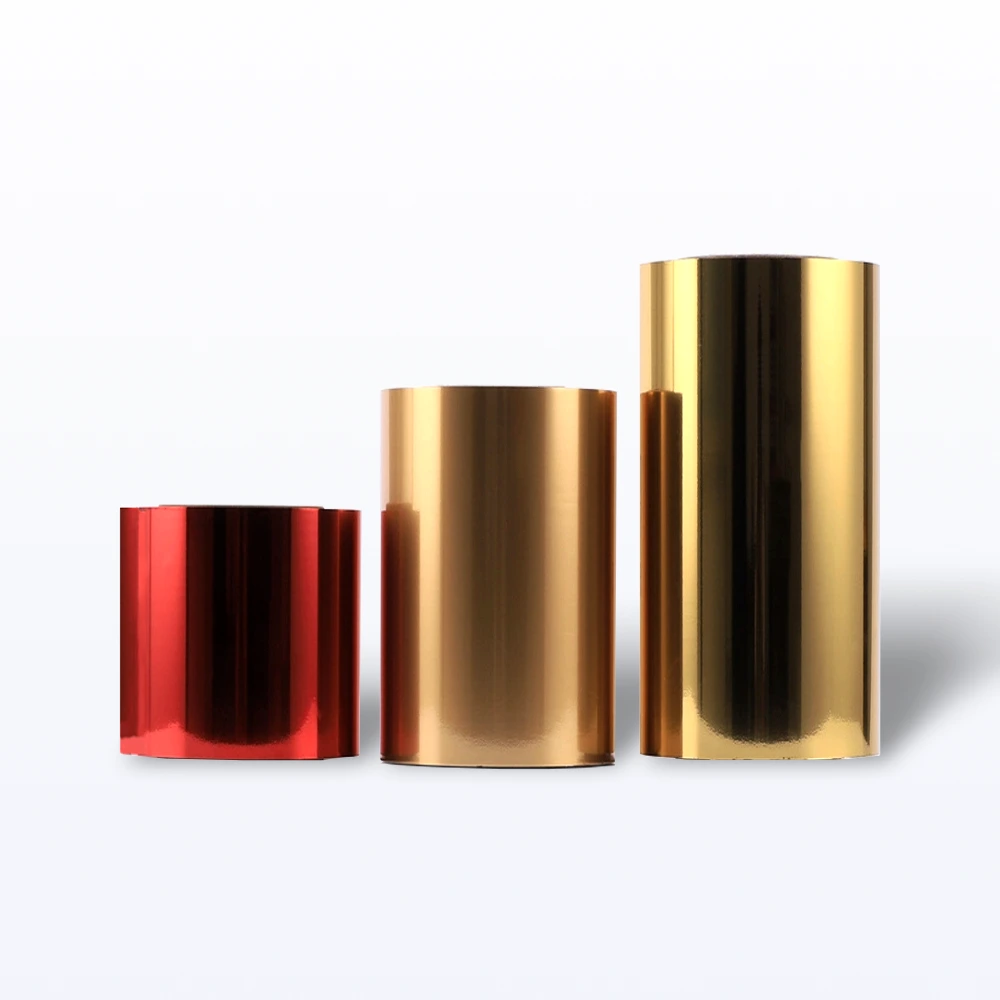
Digital Toner Reactive Foil
Digital toner-reactive foil for laser printers — bonds to HP/Konica/Xerox toner via a 110–130°C laminator, no dies. Gold, silver, rose-gold, holographic. 12µm PET, 120m rolls, MOQ 50 rolls.
View product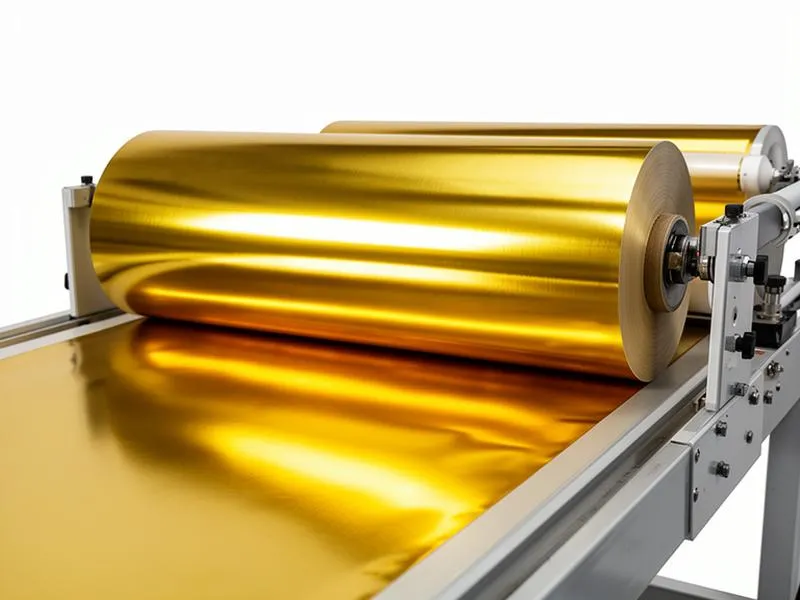
Premium Metallic Gold Hot Stamping Foil
Ultra-bright metallic gold foil with mirror-like reflection for premium packaging and label applications.
View product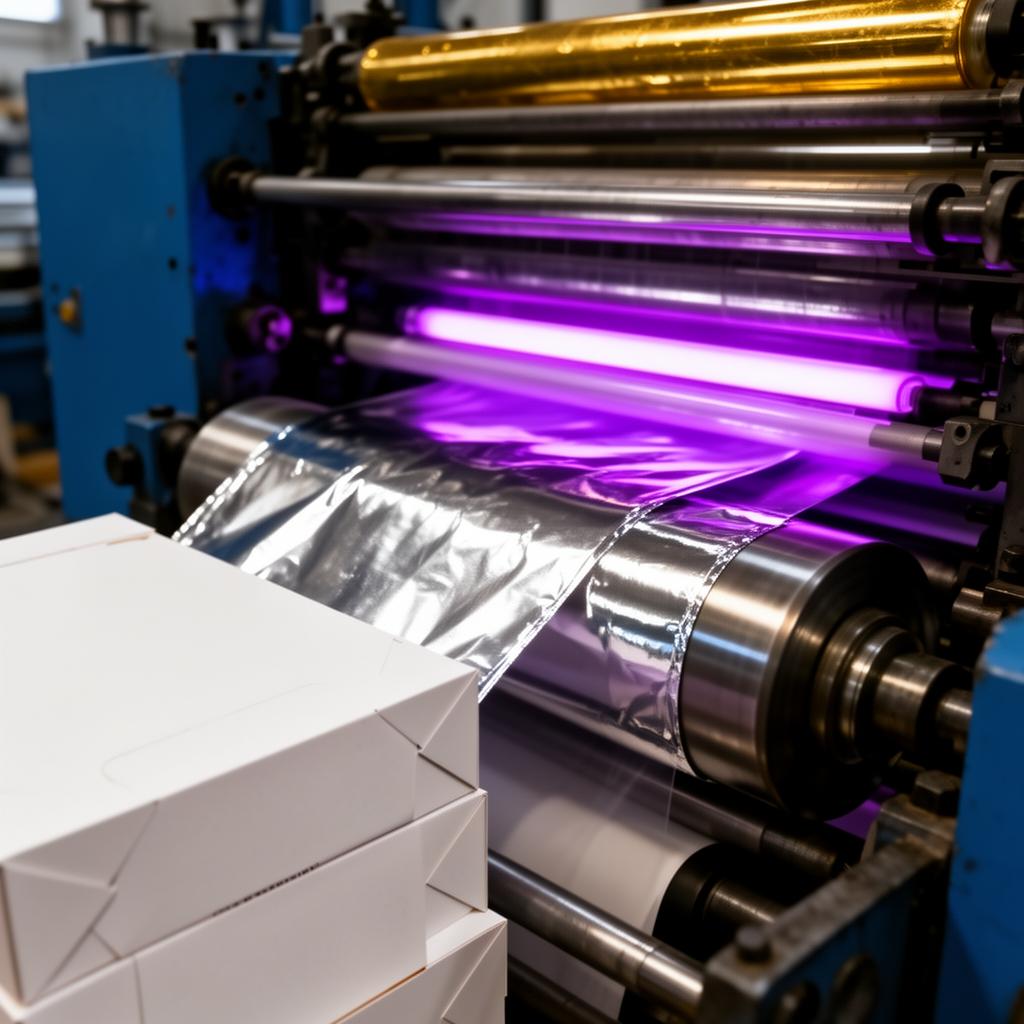
Cold Stamping Foil
Cold stamping foil for inline UV flexo and offset presses — no heat, no dies, up to 150 m/min with metallic, holographic and pigmented finishes.
View productRelated Articles
View all
Industry News · Apr 16, 2026
Holographic Foil Applications in 2026: Luxury Packaging, Anti-Counterfeit & Brand Protection Trends
From cosmetics shelves to pharmaceutical security, holographic foil is the fastest-growing segment in decorative finishing. Here's where it's winning in 2026 — and how converters can capture demand.
Industry News · May 29, 2026
Sustainable Stamping Foil 2026: PET-Free, Recyclable & Mono-Material Trends Reshaping Luxury Packaging
From PPWR-compliant mono-material PET-free carriers to bio-based release coatings and aluminium-recovery programs — here is what brand owners and converters need to know about sustainable stamping foil in 2026.
Technical Knowledge · Apr 21, 2026
Hot Foil vs Cold Foil vs Digital Foil: Which Foiling Method Wins in 2026?
Hot stamping, cold foil and digital foil all deliver a metallic finish — but the economics, substrate freedom and minimum order size are completely different. Here is a side-by-side decision framework for packaging buyers and converters in 2026.
Ready to source from a true Packaging Resource Integrator?
From stamping foils to self-adhesive materials and post-press equipment — get factory-direct pricing and free samples.