
Discover why PE synthetic label stock is superior to paper for cosmetics and chemicals. It offers durability, moisture, and chemical resistance.
Table of Contents
- The Technical Composition of PE Synthetic Label Material
- Comparative Analysis: PE vs. Paper vs. BOPP
- Why Cosmetics Demand PE Label Stock
- Chemical and Industrial Resilience
- Printing and Post-Press Compatibility
- Key Processing Parameters:
- Sustainability Concerns and Decyclability
- Specify Your Project
- Frequently Asked Questions
In the competitive landscapes of cosmetic packaging and industrial chemical distribution, the choice of a substrate is the difference between a premium brand presence and a catastrophic compliance failure. While traditional paper labels offer cost advantages for dry, short-term applications, they inevitably fail when exposed to moisture, oils, or squeezed containers. PE synthetic label material (Polyethylene) has emerged as the industry standard for high-durability applications. Unlike rigid films, PE offers a unique balance of flexibility and chemical resistance, ensuring that critical safety warnings and aesthetic branding remain intact throughout the product’s lifecycle. This guide explores why transitioning to PE label stock is the most strategic move for manufacturers dealing with contoured packaging and harsh environmental exposure.
The Technical Composition of PE Synthetic Label Material
Polyethylene (PE) is a thermoplastic resin that, when extruded into a label film, provides a versatile surface for high-quality printing. Most industrial-grade PE synthetic label materials range from 80 to 120 microns in thickness. The material is characterized by its high degree of elongation, often exceeding 300% before breakage, which allows it to conform to irregular shapes without "winging" (lifting at the edges).
For high-volume production, these materials are often processed through high-speed slitting machines to ensure clean edges and precise roll widths. The surface of the PE film is usually corona-treated to increase surface energy (measured in dynes/cm), ensuring that UV inks and specialized adhesives bond permanently to the substrate.
Comparative Analysis: PE vs. Paper vs. BOPP
To understand why PE is specified for certain sectors, we must compare its physical properties against standard gloss white self-adhesive paper and common BOPP (Biaxially Oriented Polypropylene) films.
| Feature | Standard Paper Label | BOPP (Polypropylene) | PE (Polyethylene) |
|---|---|---|---|
| Moisture Resistance | Low (Absorbs water) | High (Waterproof) | Very High (Waterproof) |
| Flexibility / Conformability | Low (Creases) | Medium (Rigid) | Excellent (Squeezable) |
| Chemical Resistance | None | Moderate | High (Resistant to Acids/Oils) |
| Typical Thickness | 70-90 GSM | 50-60 Microns | 80-100 Microns |
| UV Stability | Low (Yellows) | High | Very High |
Why Cosmetics Demand PE Label Stock
The cosmetics industry relies heavily on "squeezable" packaging. Bottles for shampoos, lotions, and facial cleansers are constantly deformed during use. A rigid label, such as a PP or PET film, would likely develop permanent creases or delaminate from the container. PE synthetic label material, however, mimics the movement of the plastic bottle.
- Oil and Grease Resistance: Essential for sunscreen and Essential oil packaging where leakage is common.
- Adhesion Stability: Using high-tack acrylic adhesives ensures that even in high-humidity bathroom environments, the label remains centered and bubble-free.
Chemical and Industrial Resilience
In the chemical sector, labels are not just branding; they are safety documents. GHS (Globally Harmonized System) requirements dictate that labels must remain legible after exposure to the chemicals contained within the drum or bottle. PE label stock is particularly resistant to harsh alkaline cleaners and many acids.
When labels are applied to large industrial drums, they often face outdoor storage. PE's inherent UV resistance prevents the material from becoming brittle at temperatures ranging from -20°C to +80°C. For security and tracking, integrating barcode security foils onto PE substrates provides a dual layer of protection: environmental durability and brand authentication.
Printing and Post-Press Compatibility
Maximizing the visual impact of PE synthetic labels involves sophisticated post-press techniques. Because PE has a lower melting point than PET, heat management during the stamping process is critical. Modern high-efficiency equipment like the XG1080G automatic hot stamping machine allows for precise temperature control (down to +/- 1°C), preventing the PE film from warping during the foil application.
Key Processing Parameters:
- Die-Cutting: PE requires sharp, tungsten-carbide blades. Because it is softer than paper, a clean cut through the 80-micron film without piercing the 60-80 GSM glassine liner is essential. Utilizing a flatbed die-cutting machine ensures the pressure is distributed evenly.
- Varnishing: To prevent ink scratching during shipping, a UV varnish is often applied. Machines like the SG-1080 automatic UV varnisher are ideal for flood-coating PE labels at speeds up to 60 m/min.
- Cold Foiling: For temperature-sensitive PE, cold foiling is often preferred over hot stamping, as it uses UV-cured adhesives rather than heat to bond the foil to the synthetic substrate.
Sustainability Concerns and Decyclability
As brands move toward "Mono-material" packaging to aid recycling, PE labels are gaining dominance. When a PE label is applied to a HDPE (High-Density Polyethylene) bottle, the entire unit can be recycled without needing to separate the label and the container. This eliminates the contamination issues often found when paper labels (which leave pulp residue) or incompatible films are used.
Specify Your Project
Choosing the right PE synthetic label material depends on your specific container shape, the chemical nature of your product, and your application speed. At All-in Pack, we provide technical consultation to match our substrates with your existing machinery, whether you are using a hydraulic cutter for sheets or high-speed rotary applicators. To receive a technical data sheet (TDS) or price quote for our synthetic PE range, visit our contact page at All-in Pack Product Inquiry and specify your required micron thickness and adhesive type.
Frequently Asked Questions
Quick answers about pe-label-stock.
Related Articles
View all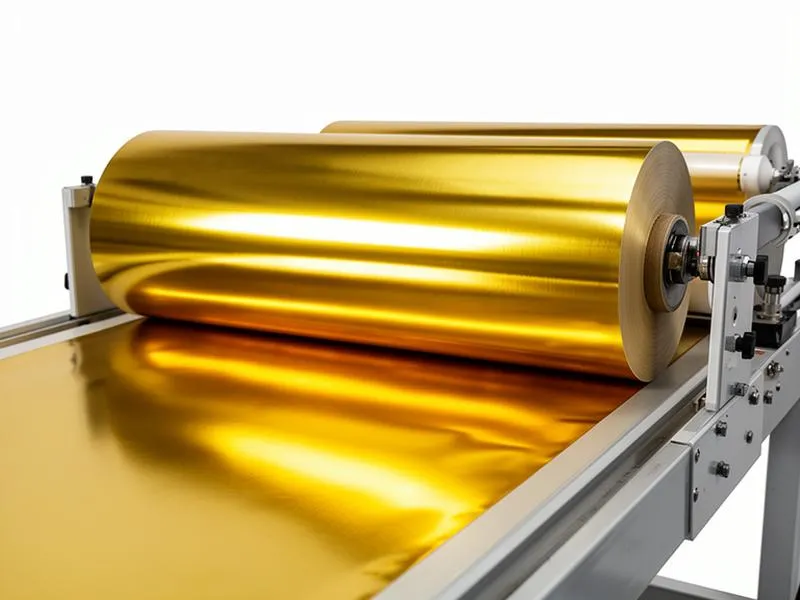
Technical Knowledge · May 12, 2026
Cosmetic Hot Stamping Foil: Gold for Luxury Packaging
Select the perfect cosmetic hot stamping foil for luxury packaging. Ensure product success with ideal temperature, chemical resistance, and micron thickness.
Technical Knowledge · May 12, 2026
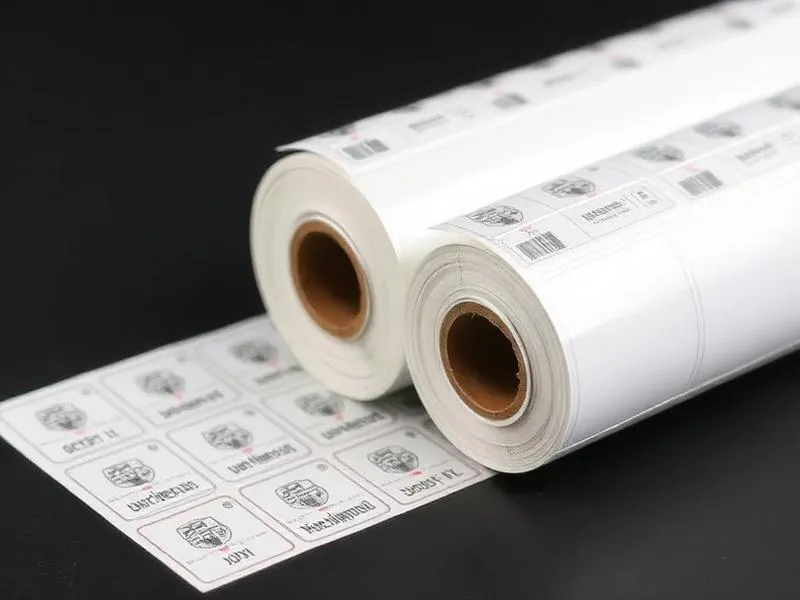
Synthetic Paper Self-Adhesive Tear-Resistant Labels
Discover durable synthetic paper for self-adhesive labels that withstand harsh outdoor conditions. Get tear-resistant labels offering superior performance for industrial use.
Ready to source foil stamping and die-cutting from one supplier?
From stamping foils to post-press machines and die-cutting consumables — get factory-direct pricing and free samples.