
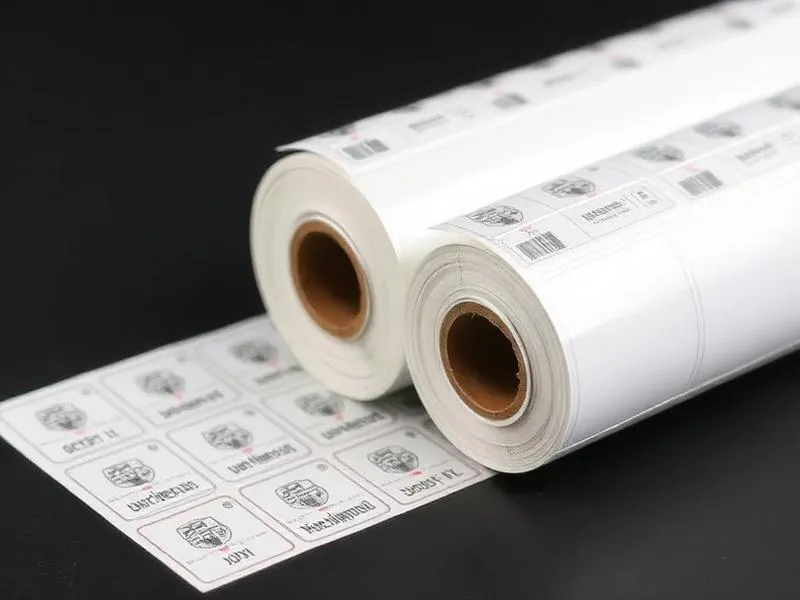
Discover durable synthetic paper for self-adhesive labels that withstand harsh outdoor conditions. Get tear-resistant labels offering superior performance for industrial use.
Table of Contents
- What is Synthetic Paper Label Material?
- Technical Specifications: Synthetic PP vs. PE vs. PET
- Why Choose a Tear Resistant Label for Industrial Use?
- Outdoor Durability and Environmental Factors
- Adhesive Performance Indoors vs. Outdoors
- Processing and Conversion of Synthetic Labels
- Printing Compatibility: Thermal Transfer and Flexo
- Specify Your Project
- Frequently Asked Questions
Selecting the right label substrate for challenging environments often comes down to a choice between traditional paper and heavy-duty polymers. Industrial manufacturers and logistics providers frequently encounter the "paper failure" threshold, where moisture, UV exposure, and mechanical stress cause standard labels to degrade within weeks. This is where synthetic paper label material becomes an essential engineering choice. Unlike wood-pulp based products, synthetic paper provides the durability of plastic with the printability of high-grade matte paper. At All-in Pack, we engineer these materials to withstand temperatures from -40°C to +120°C and resist tearing even under extreme tension (tensile strengths exceeding 150 kgf/cm²). This guide explores the technical specifications, adhesive chemistry, and outdoor performance metrics needed to optimize your labeling workflows.
What is Synthetic Paper Label Material?
Synthetic paper is a film-based material—typically Polypropylene (PP) or Polyethylene (PE)—that has been chemically modified with inorganic fillers like calcium carbonate and clay to mimic the texture and opacity of traditional cellulose paper. In the self-adhesive industry, our synthetic paper label material is distinguished by its micro-voided structure, which allows for superior ink absorption compared to standard glossy films like transparent BOPP self-adhesive film.
The manufacturing process involves a biaxial orientation of the film, which aligns the polymer chains to maximize tear resistance. While matte white self-adhesive label paper is sufficient for indoor retail use, it lacks the dimensional stability required for petrochemical drums, outdoor power equipment, or deep-freeze logistics. Synthetic alternatives do not swell when wet and offer 100% chemical resistance to oils and many commercial solvents.
Technical Specifications: Synthetic PP vs. PE vs. PET
Understanding the polymer base is critical for technical buyers. Most outdoor labels utilize a 60µm to 100µm face stock paired with a high-tack permanent acrylic adhesive. The following table highlights the mechanical differences between our primary synthetic grades.
| Feature | Synthetic PP (Polypropylene) | Synthetic PE (Polyethylene) | Synthetic PET (Polyester) |
|---|---|---|---|
| Standard Thickness | 60µm - 80µm | 85µm - 100µm | 50µm - 75µm |
| Tensile Strength (MD) | 140 - 180 kgf/cm² | 80 - 110 kgf/cm² | 200+ kgf/cm² |
| Temperature Limit | 95°C | 80°C | 150°C - 180°C |
| Flexibility/Conformability | High | Very High | Low (Rigid) |
| UV Resistance | Moderate (requires coating) | High | Excellent |
Why Choose a Tear Resistant Label for Industrial Use?
A true tear resistant label must survive "rough handling" during palletization and maritime shipping. Standard paper labels have a low tear threshold; once a small nick occurs at the edge, the label splits completely. In contrast, All-in Pack’s synthetic PP & PET self-adhesive labels utilize cross-linked polymer chains that absorb energy rather than fracturing.
- Chemical Stability: Resistant to alcohols, heptane, and cleaning agents.
- Dimensional Stability: Shrinkage of less than 0.5% at 75°C, ensuring barcodes remain scannable.
- Slitting: High-speed precision is required. Using a machine like the AF-1350 High-Speed Slitting Machine ensures that the edges of the synthetic rolls remain burr-free, preventing jams in thermal transfer printers.
- Die-Cutting: For high-volume label production, an MQ-1060 Automatic Flatbed Die-Cutting Machine provides the necessary tonnage (up to 300 tons) to handle tough PET-based synthetics.
- Varnishing: To extend the UV life of a synthetic paper sticker, applying a UV-cured topcoat via an SG-1080 Automatic UV Varnishing Machine is standard practice.
For security applications where label integrity is paramount to prevent tampering, integrating features like anti-counterfeit security foil onto a synthetic base creates a nearly indestructible branding solution.
Outdoor Durability and Environmental Factors
The term outdoor label material implies protection against three primary stressors: UV radiation, fluctuating humidity, and temperature cycling. Synthetic paper is naturally hydrophobic. When paired with our solvent-based acrylic adhesives, these labels can remain functional for 12 to 24 months in direct sunlight without yellowing or peeling.
Adhesive Performance Indoors vs. Outdoors
The "Self-Adhesive" component is just as vital as the face stock. For rugged environments, we recommend a coat weight of 20-25 GSM of permanent acrylic. This ensures a high initial tack (typically >12N/25mm on stainless steel) and long-term shear strength. If the labels are used on chemical drums that need reuse, a removable self-adhesive label material formulated for synthetic film may be more appropriate, allowing for clean removal without leaving ghosting or residue.
Processing and Conversion of Synthetic Labels
Because synthetic paper is denser than wood-pulp paper, it requires specific mechanical settings during the conversion phase. Standard die-cutting pressures must be calibrated to ensure a "clean snap" through the film without piercing the glassine liner (often 60g or 80g white/yellow glassine).
Printing Compatibility: Thermal Transfer and Flexo
Synthetic paper label material is highly versatile regarding ink systems. It is the gold standard for thermal transfer printing. When using a resin-based ribbon, the print becomes virtually scratch-proof. This is essential for GHS (Globally Harmonized System) chemical labeling requirements where the information must survive harsh abrasion.
For decorative outdoor labels, many clients combine the durability of synthetic substrates with high-end finishing. For example, using cold stamping foil on synthetic PP allows for metallic effects that do not crack or flake when the label is bent around tight radii, such as small pharmaceutical vials or cosmetic tubes.
Specify Your Project
Selecting the correct synthetic paper label material requires balancing material thickness, adhesive tack, and environmental exposure. Whether you are labeling maritime cargo with a tear resistant label or developing high-compliance industrial warning stickers, All-in Pack provides the raw materials and conversion machinery to ensure success. Contact our technical team today to request a datasheet or quotation for synthetic PP/PET self-adhesive labels and find the perfect specification for your application.
Frequently Asked Questions
Quick answers about synthetic-paper.
Related Articles
View all
Technical Knowledge · May 22, 2026
Wash-Off Labels for Returnable Glass Bottles
Discover wash-off self-adhesive labels for returnable glass bottles. This guide covers alkaline wash specs and recyclability for optimal performance.

Industry News · Feb 20, 2026
Self-Adhesive Label Market Asia: Growth Trends to 2026
Explore the growth drivers and opportunities of the self-adhesive label market in Asia, fueled by e-commerce and packaging demands. Find out more about this booming industry.
Technical Knowledge · May 12, 2026
BOPP vs. PET vs. PP Label: Self-Adhesive Stock Comparison
Compare BOPP, PET, and PP self-adhesive label stock for industrial applications. This guide helps you choose the best film labels for your packaging needs.
Ready to source foil stamping and die-cutting from one supplier?
From stamping foils to post-press machines and die-cutting consumables — get factory-direct pricing and free samples.