
Discover if a hot stamping and die cutting combo machine is right for your B2B needs. Optimize ROI, floor space, and productivity with this integrated solution.
Table of Contents
In high-volume packaging and printing environments, post-press finishing is a critical determinant of both product quality and operational efficiency. The decision to integrate processes like hot stamping and die cutting into a single workflow is a significant one, with long-term implications for capital expenditure, labor, and output. While separate, dedicated machines for each function have been the traditional approach, the modern hot stamping die cutting combo machine presents a compelling alternative for specific operational scales and product mixes.
This technical guide provides a direct comparison between integrated and separate machine workflows. We will analyze the core factors—floor space, productivity, and technical capabilities—that drive the decision-making process for B2B packaging traders and end-users. The objective is to equip buyers with the necessary data to determine if a 2-in-1 packaging machine is the correct investment for their production floor, moving beyond generalized benefits to a fact-based assessment of its impact.
Combo vs. Separate Machines: A Cost and Workflow Analysis
The primary evaluation when considering a combo stamping die cutter is a direct comparison against a workflow using two separate machines: a dedicated flat-bed hot stamper and a dedicated flat-bed die cutter. The analysis extends beyond the initial equipment cost to include labor, work-in-progress (WIP), and potential for error.
A separate-machine workflow requires an operator to move palletized, stamped sheets from the first machine to the second. This introduces several non-value-added steps: unloading the stamper, staging the WIP, transporting the WIP, and loading the die cutter. Each step consumes time, introduces risk of material damage, and requires labor. In contrast, an integrated inline foil die cut system performs both actions in a single pass. The sheet is fed once, stamped, and then immediately conveyed into the die cutting station before being delivered to the stacker.
Below is a comparative breakdown of key operational and financial metrics.
| Metric | Hot Stamping & Die Cutting Combo Machine | Separate Hot Stamping + Die Cutting Machines |
|---|---|---|
| Capital Expenditure (CAPEX) | Typically 20-30% lower than the cost of two comparable-spec separate machines. (e.g., $250,000 vs. $350,000) | Higher initial investment for two distinct pieces of equipment. |
| Labor Requirement | 1-2 operators to manage the entire process from feeder to delivery. | 2-4 operators required (one team for each machine, plus material handlers). |
| Job Changeover Time | One setup for both processes. Die and foil setup is concurrent. ~45-60 minutes. | Two separate setups. Total time is cumulative. ~90-120 minutes. |
| Registration Accuracy | Extremely high (±0.15mm) as the sheet is gripped once and maintains position between stations. | Dependent on the skill of the second machine's operator to re-register the sheet. Higher potential for variance (±0.30mm or more). |
| Work-in-Progress (WIP) | Eliminated. No pallets of semi-finished goods between processes. | Significant. Requires space to stage potentially thousands of sheets awaiting the next step. |
Floor Space Saving: A Tangible Benefit
Manufacturing floor space is a finite and costly asset. A 2-in-1 packaging machine provides a direct and measurable reduction in footprint. A typical setup of two separate 1060x750mm format machines requires not only the footprint of the machines themselves (~5m x 4m each) but also significant clearance around them for operation, maintenance, and, critically, the staging area for WIP pallets. This staging area can easily consume an additional 10-15 square meters.
A combo machine of the same format consolidates these functions into a single chassis. The total length is greater than a single machine but substantially less than two separate units. A typical hot stamping die cutting combo machine might occupy a footprint of 8m x 4m. The total space saving, including the elimination of the WIP staging area, can realistically be between 40-50%.
Productivity Gain: The Power of Inline Finishing
The most significant operational advantage of a combo machine is the gain in net output. While the maximum running speed (e.g., 6,000 sheets per hour) may be similar to a standalone die cutter, the overall productivity is higher due to the elimination of intermediate stops. In a separate workflow, the entire job must be completed on the hot stamper before the first sheet is moved to the die cutter. This creates a significant lag and production bottleneck.
With an inline system, the first finished (stamped and cut) sheet comes off the machine minutes after the job starts. This continuous flow drastically reduces the total time-to-market for a given job. For businesses specializing in fast-turnaround, high-volume consumer goods packaging (e.g., cosmetics, electronics, spirits), this can be a decisive competitive advantage. The reduction in manual handling and re-feeding also minimizes the risk of scratches and other handling-related defects, improving the net good-sheet count per job.
Common Combo Machine Specifications
Technical specifications for these machines vary by manufacturer and intended application, but they generally fall within established ranges for sheet-fed post-press equipment. Below are typical specifications for a mid-range and large-format machine.
| Specification | AIP-1060-CFD (Mid-Format) | AIP-1300-CFD (Large-Format) |
|---|---|---|
| Max. Sheet Size | 1060 x 750 mm | 1300 x 920 mm |
| Min. Sheet Size | 400 x 350 mm | 500 x 450 mm |
| Max. Speed | 6,500 sheets/hour (Die Cutting) / 5,000 sheets/hour (Stamping) | 5,500 sheets/hour (Die Cutting) / 4,500 sheets/hour (Stamping) |
| Max. Stamping Area | 1020 x 720 mm | 1260 x 890 mm |
| Max. Pressure | 300 Tons | 400 Tons |
| Substrate Range | Paper ≥80g/m², Cardboard ≤2000g/m², Corrugated ≤4mm | Paper ≥90g/m², Cardboard ≤2000g/m², Corrugated ≤5mm |
| Foil Stamping Temp. | 90 - 160 °C (Individually controlled zones) | 90 - 160 °C (Individually controlled zones) |
| Foil Roll Diameter | Max. 250mm on 3-inch core | Max. 300mm on 3-inch core |
Buyer Checklist for Combo Machines
Before investing, a thorough evaluation of your specific production needs is essential. Use this checklist during your procurement process:
- What is our typical job run length? Combo machines deliver the best ROI on medium-to-long runs where the time savings from inline processing accumulate. For very short, disparate runs, the setup time may negate some benefits.
- What percentage of our jobs require both stamping and die cutting? If over 60-70% of your work requires both processes, a combo machine is a strong candidate. If the mix is highly variable, separate machines might offer more scheduling flexibility.
- Can we disable one of the functions? Confirm that the machine can operate in "die-cut only" or "stamping only" modes. This adds crucial flexibility to use the machine for a wider range of jobs. All-in Pack models are equipped with this feature as standard.
- What is the foil system capability? Investigate the number of foil pulls (longitudinal and transverse) available. More pulls mean more complex, multi-color designs can be run in a single pass, maximizing efficiency. Our top models feature up to 8 foil pulls.
- What are the maintenance and support structures? An integrated machine is more complex than a standalone unit. Ensure your supplier has a robust technical support network, available spare parts, and comprehensive training programs.
Ultimately, the decision to invest in a hot stamping die cutting combo machine rests on a clear-eyed analysis of your current and projected workflow. For operations focused on speed, efficiency, and high-quality finishing for luxury and consumer goods packaging, the data points clearly toward the benefits of an integrated system. By reducing labor, saving floor space, and increasing net output, a combo machine can be a pivotal investment in long-term profitability and competitiveness.
If your analysis indicates that a 2-in-1 system aligns with your operational goals, the next step is to discuss your specific application and material requirements with a technical specialist. Contact our post-press equipment team to schedule a detailed consultation and receive a customized ROI calculation.
'''Frequently Asked Questions
Quick answers about hot stamping die cutting combo machine.
Companion Products
Specs and samples for the products discussed in this article.
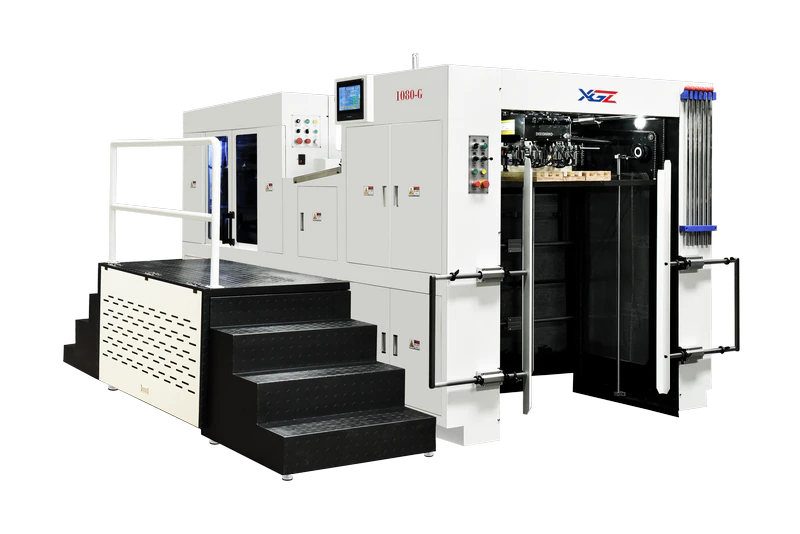
XG1080G Fully Automatic Hot Foil Blocking Machine (Hot Stamping Press)
Industrial hot foil blocking machine (also called a hot stamping press) with 5,500 sheets/hour throughput, 1060×740 mm max sheet size, 80-ton stamping pressure and ±2°C PLC temperature control — for paperboard, luxury packaging, book covers and security printing.
View product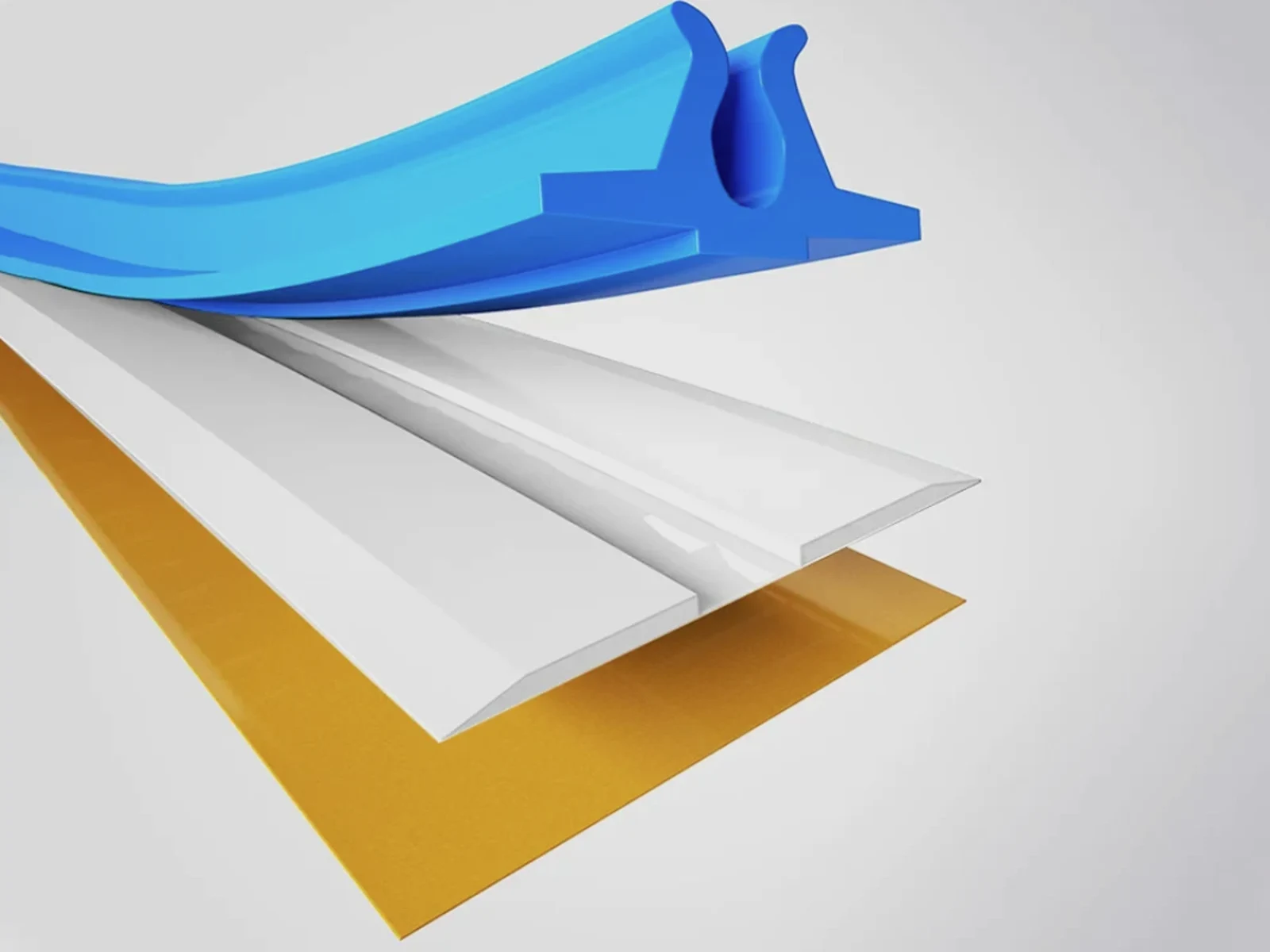
AP-PM PVC Creasing Matrix for Die-Cutting
PVC-base self-adhesive creasing matrix in standard, narrow, wider, off-centre and double-crease profiles for crack-free folds.
View product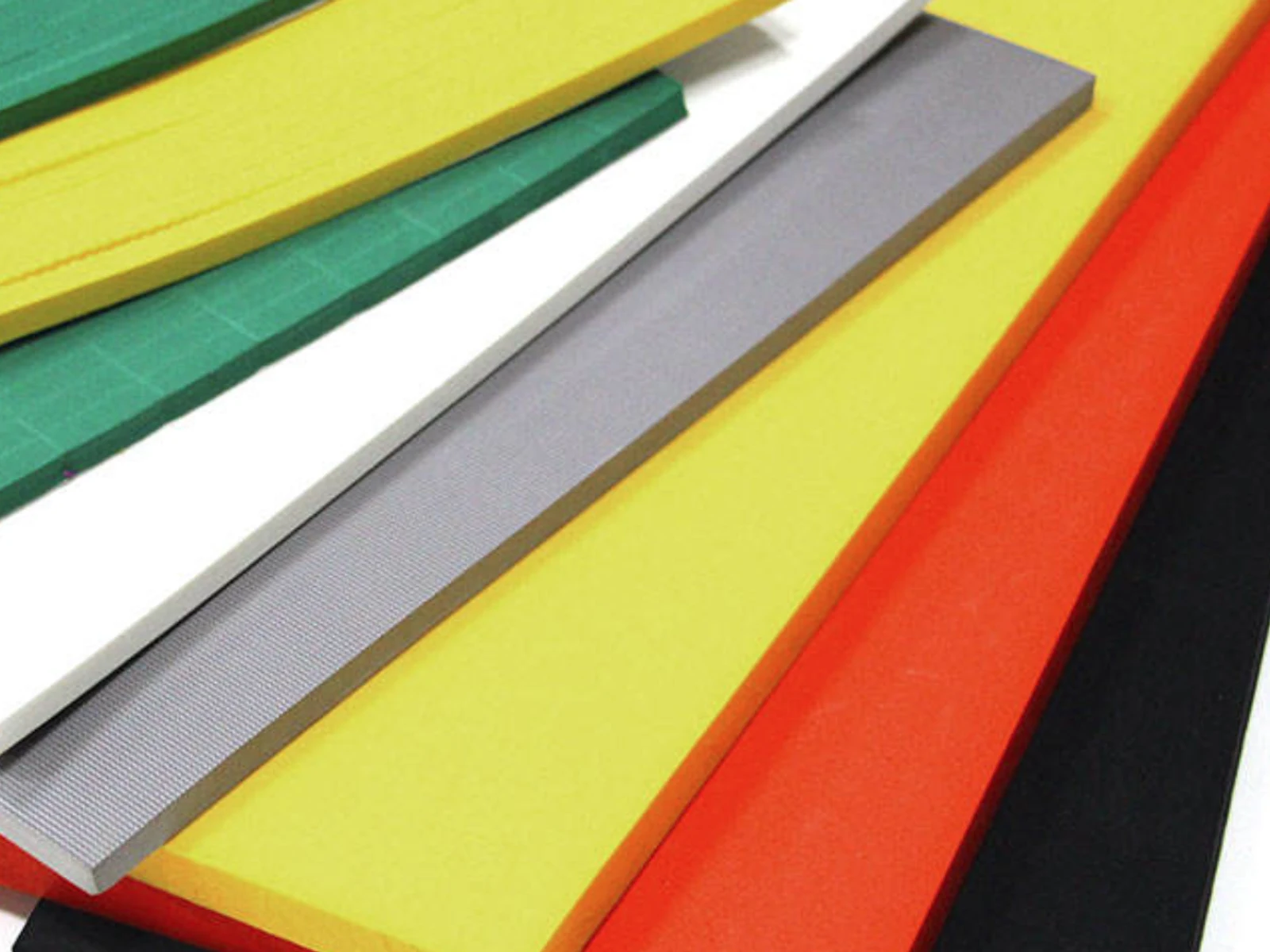
AP-WS Die-Cutting Ejection Wave Sponge
Colour-coded high-elastic wave sponge in 35°–65° hardness, 380 × 300 mm sheets, 8/9/10/12 mm heights.
View productRelated Articles
View allTechnical Knowledge · Aug 28, 2026
XG1080G Fully Automatic Hot Stamping Machine: Field Review
A field review of the XG1080G fully automatic hot stamping machine: 5,000 sheets/hour, plus or minus 0.075mm registration, 160-tonne pressure and 6-zone heating, with real sustained throughput figures, landed-cost budgeting and honest guidance on who should not buy it.
Technical Knowledge · Jun 1, 2026
Hot Foil Stamping Machine Buyer's Guide 2026
Navigate the best hot foil stamping machine for your business. This 2026 guide compares manual, semi-auto, and automatic models for optimal ROI.
Technical Knowledge · May 29, 2026
Hot Foil Stamping Machine: How to Use It
Set up, dial in temperature, pressure and dwell, and fix ghosting or flaking - 7-step operator guide.
Ready to source foil stamping and die-cutting from one supplier?
From stamping foils to post-press machines and die-cutting consumables — get factory-direct pricing and free samples.