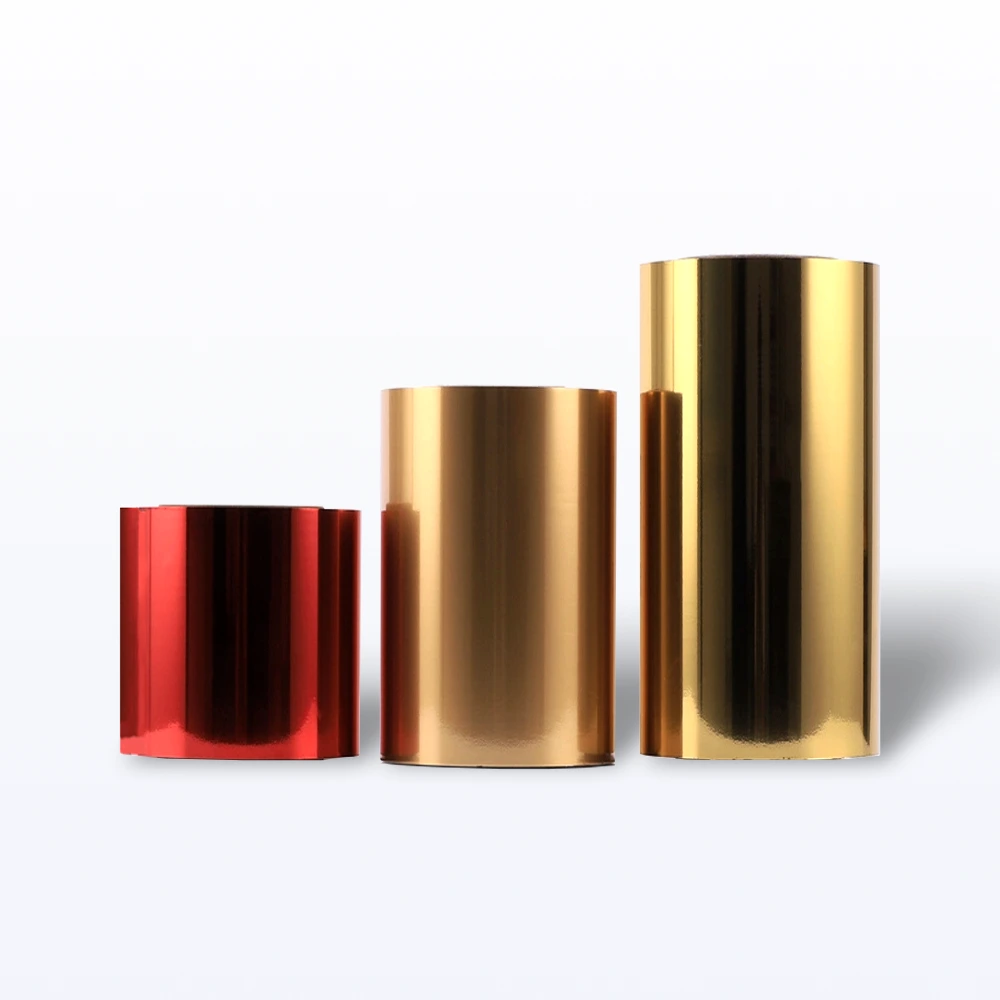
A detailed comparison of cold foil and hot foil stamping technologies — cost, speed, quality, and best-use scenarios for modern packaging production.
Table of Contents
As packaging producers seek to balance premium aesthetics with production efficiency, the choice between cold foil and hot foil stamping has become one of the most important decisions in the converting workflow. This guide breaks down the technical, commercial, and quality differences between the two — so you can match technology to application with confidence.
Hot foil = premium brilliance, short-to-medium runs, rigid substrates. Cold foil = inline speed, high-volume labels, CMYK over-printing. Most leading converters today run both.
Hot Foil Stamping: The Classic Premium Choice
Hot foil stamping uses a heated metal die (110–160 °C) to transfer metallic or holographic foil onto substrates through heat and pressure. It remains the gold standard for luxury packaging — wine labels, cosmetics boxes, and greeting cards where brilliance and tactile depth matter most. See our flagship Premium Metallic Gold Hot Stamping Foil for production details.
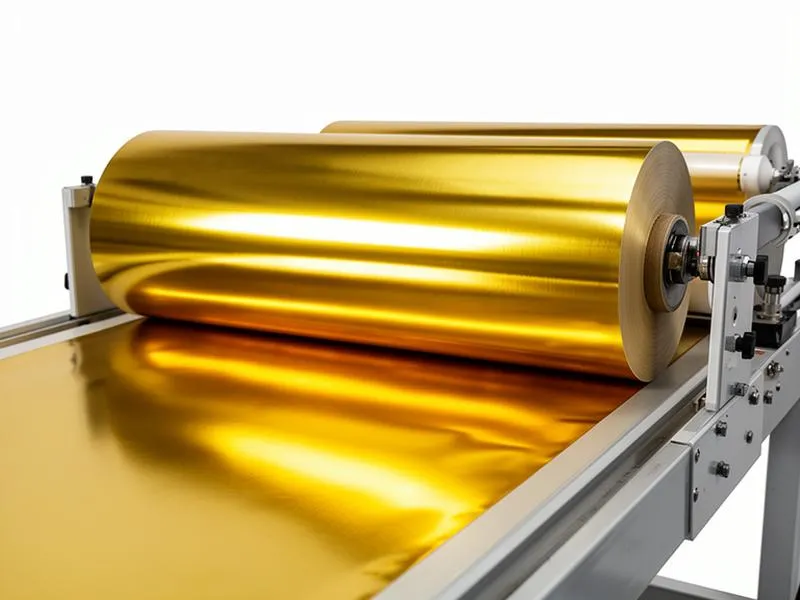
Key advantages: Superior metallic brightness, excellent adhesion on paper, plastic, leather, wood, glass and metal, and the ability to combine stamping with embossing in a single pass on machinery like the XG1080G Fully Automatic Hot Stamping Machine.
Cold Foil Stamping: Speed Meets Versatility
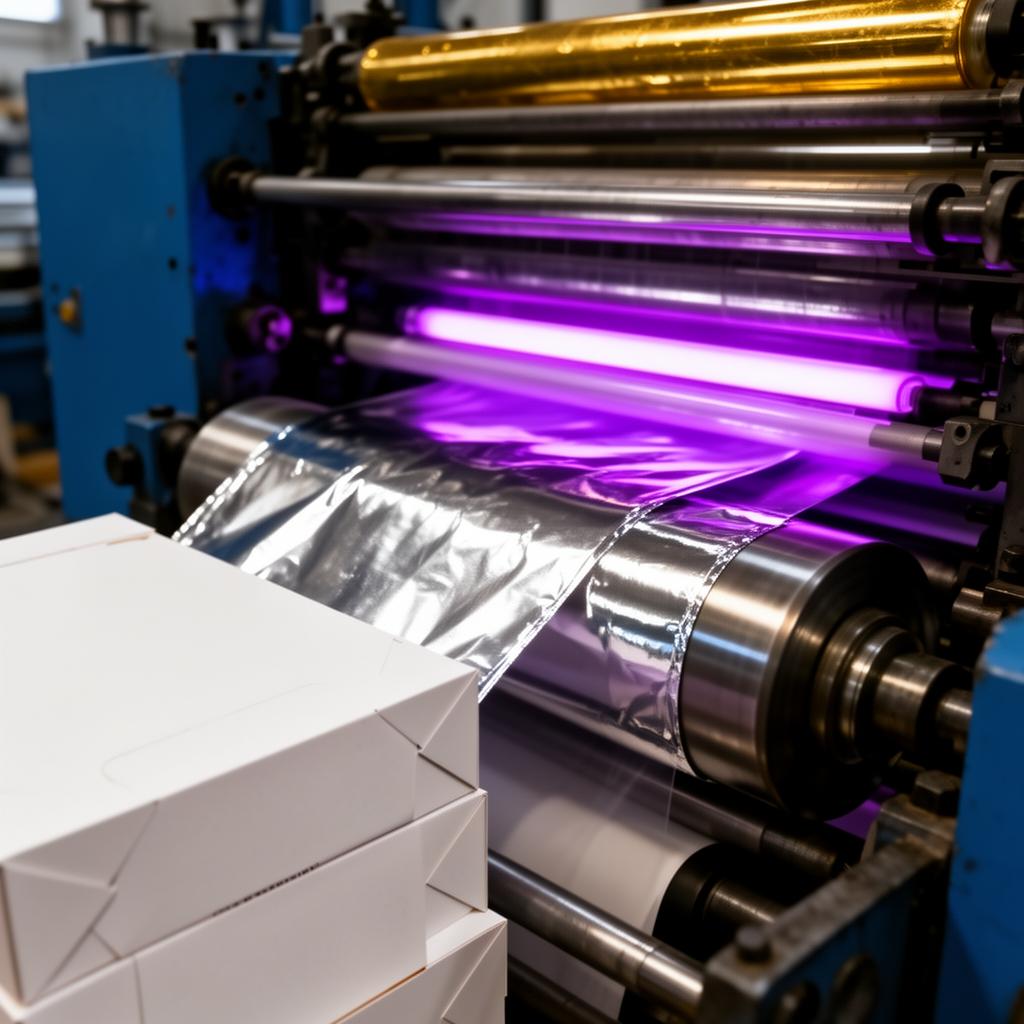
Cold foil uses UV-curable adhesive applied inline on flexo or offset presses, eliminating the need for heat and expensive dies. This makes it ideal for high-volume label runs where speed and cost-per-unit are critical. Our Cold Stamping Foil is engineered for inline registration on modern web presses.
Key advantages: Inline application at speeds up to 150 m/min, no dies required (digital imaging), ability to print CMYK over the foil for custom metallic colors, and lower setup costs for short-to-medium runs.
Side-by-Side Comparison
| Criterion | Hot Foil Stamping | Cold Foil Stamping |
|---|---|---|
| Production Speed | 3,000–6,000 sheets/hr | 100–150 m/min (inline) |
| Setup Cost | USD 80–400 per die | USD 40–150 per plate |
| Brilliance / Quality | ★★★★★ | ★★★★ |
| Substrate Range | Paper, board, plastic, leather, glass | Smooth label stocks only |
| Combination with Emboss | Yes (single pass) | No |
| CMYK Over-Print | No | Yes |
| Best Run Length | 1k – 100k impressions | 10k – 1M+ impressions |
| Recommended Equipment | XG1080G Auto Press | Inline flexo / offset |
When to Use Which?
- Choose hot foil when: you need maximum brilliance, are stamping on rigid substrates, or require embossing effects in the same pass.
- Choose cold foil when: you're running high-volume labels, need inline production, or want to print CMYK over metallic surfaces.
- Choose digital foil when: runs are below 500 impressions or each piece needs personalization. See our Digital Toner-Reactive Foil.
The Bottom Line
Many successful converters use both technologies. Hot foil for premium short-run work and cold foil for high-volume label production. The key is matching the technology to the application — and having a foil supplier who can provide both. For the full ROI math with breakeven worked examples, read our deep-dive on cold foil vs hot foil ROI, or browse our complete stamping foil range and request a sample pack.
Frequently Asked Questions
Quick answers about hot stamping.
Companion Products
Specs and samples for the products discussed in this article.
Cold Stamping Foil
Cold stamping foil for inline UV flexo and offset presses — no heat, no dies, up to 150 m/min with metallic, holographic and pigmented finishes.
View productPremium Metallic Gold Hot Stamping Foil
Ultra-bright metallic gold foil with mirror-like reflection for premium packaging and label applications.
View product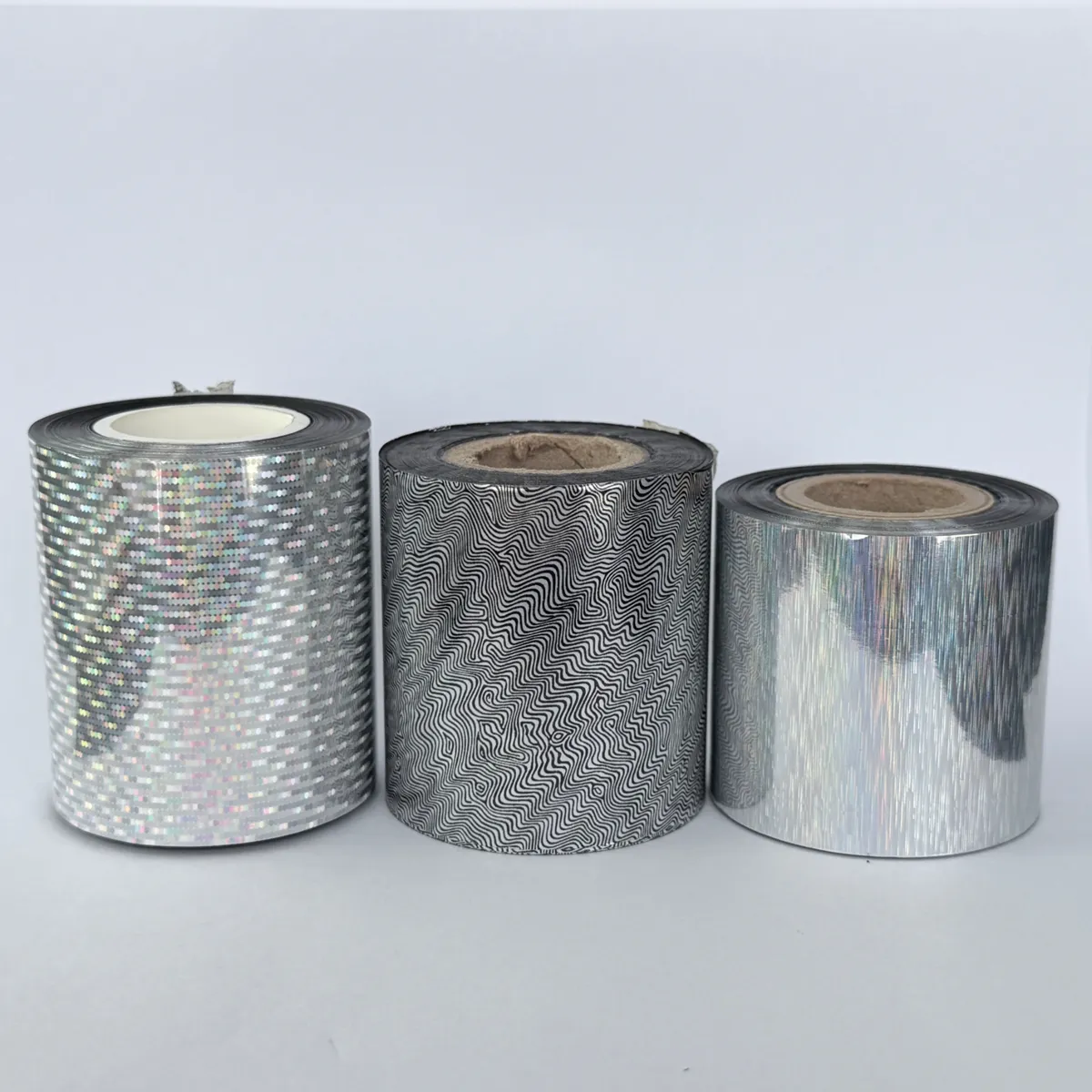
Scratch-Off Foil for Hot Stamping
High-opacity scratch-off foil for lottery tickets, gift cards and security labels — clean removal, no flaking, strong heat-seal bond to paper, cardstock and PVC.
View productRelated Articles
View allTechnical Knowledge · Apr 12, 2026
Cold Foil vs Hot Foil ROI: A 2026 Cost, Speed & Quality Comparison for Converters
Per-impression cost, setup time, brilliance, substrate flexibility — the five-variable equation that decides whether cold foil or hot foil wins your next job. With breakeven math and worked examples.
Technical Knowledge · Apr 21, 2026
Hot Foil vs Cold Foil vs Digital Foil: Which Foiling Method Wins in 2026?
Hot stamping, cold foil and digital foil all deliver a metallic finish — but the economics, substrate freedom and minimum order size are completely different. Here is a side-by-side decision framework for packaging buyers and converters in 2026.
Technical Knowledge · Apr 10, 2026
How to Choose the Right Self-Adhesive Label Material: A 2026 Buyer's Guide for Converters & Brand Owners
Facestock, adhesive, liner — the three layers that decide whether your label survives the cold chain, the wash cycle, or the next decade. A practical 2026 guide to specifying self-adhesive label materials.
Ready to source from a true Packaging Resource Integrator?
From stamping foils to self-adhesive materials and post-press equipment — get factory-direct pricing and free samples.