
دليل الأعمدة · إصدار 2026
رقائق الختم البارد — دليل AIPACK الكامل للرقائق الباردة بالأشعة فوق البنفسجية والمورد
رقائق الختم البارد هي الطبقة المعدنية المعالجة بالأشعة فوق البنفسجية التي تتيح لمطابع الأوفست والفلكسو والرقمية وضع لمسة نهائية معدنية لامعة بمرآة بشكل مباشر وبسرعة الطباعة الكاملة — بدون قالب محفور، وبدون تمرير ثانٍ، ومع إمكانية الطباعة الفوقية الكاملة بألوان CMYK للحصول على ألوان معدنية مخصصة غير محدودة. تغطي هذه الركيزة العملية، والمطابع، والركائز، والتكلفة لكل وحدة، والحد الأدنى لكمية الطلب (MOQ) بدءًا من لفة واحدة مباشرة من مصنعنا في ونتشو.
راجعه Gavin Gao, المدير الفني
رقائق الختم البارد — تعريف من 50 كلمة
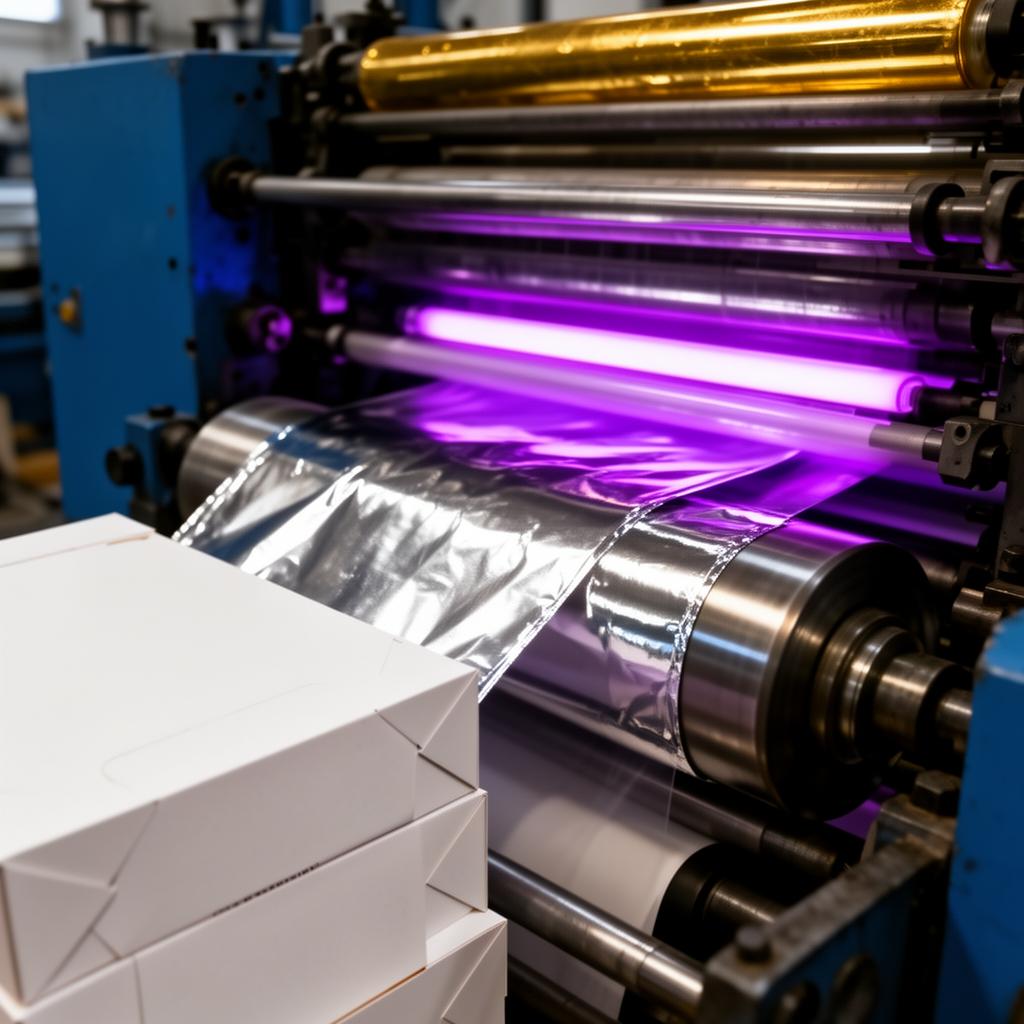
رقائق الختم البارد(أيضًارقائق باردة, فويل بارد بالأشعة فوق البنفسجية, رقائق نقل باردة) هو فيلم PET معدني يتم نقله إلى ورق مطلي أو لوح أو فيلم ملصقات بواسطة لاصق معالج بالأشعة فوق البنفسجيةبدلاً من الحرارة. تتم طباعة اللاصق بشكل العمل الفني، ثم يتم تغليف الرقائق فوقه، ويقوم مصباح UV بمعالجة الرابط فورًا، وتنزع حاملة PET — تاركة طبقة معدنية عاكسة تمامًا حيث تم طباعة اللاصق. تعملمتزامن بسرعة 10,000–15,000 sphعلى الأوفست و 60–250 m/minعلى الفلكسو، مع تكلفة قالب صفرية لكل عمل فني.
الختم البارد مقابل الساخن — إجابة من 40 كلمة
رقائق الختم البارديستخدم لاصقًا معالجًا بالأشعة فوق البنفسجية، ويعمل بالتوازي مع المكبس بسرعة 10,000-15,000 sph، ويكلف 0 دولار أمريكي في الأدوات لكل عمل فني. رقائق الختم الساخن يتطلب قالب نقش بتكلفة 40-600 دولار أمريكي، وحرارة 95-145 درجة مئوية، ومرورًا ثانيًا بسرعة 1,500-8,000 sph — ولكنه يوفر حوافًا أكثر حدة ويعمل على البلاستيك والجلد والنسيج.
الاستنتاجات الهندسية الرئيسية
- 01
رقائق الختم البارد = رقائق UV الباردة = رقائق النقل البارد — لاصق معالج بالأشعة فوق البنفسجية، بدون قالب ساخن، بدون تمرير ثانٍ.
- 02
تعمل بشكل متزامن بسرعة 10,000–15,000 sph على مطابع الأوفست المسطحة وبسرعة 60–250 m/min على مطابع ملصقات الفلكسو المتزامنة.
- 03
تكلفة أدوات صفرية لكل عمل فني — تستخدم لوحة أو بطانية المطبعة الخاصة بها، مقابل 40–600 دولار لقوالب الختم الساخن.
- 04
رقائق فضية أساسية + طباعة CMYK متراكبة داخلية تخلق معادن مخصصة لا محدودة: ذهبية، نحاسية، وردية، وتصوير بألوان قوس قزح.
- 05
الأفضل على الورق المطلي، والكرتون (SBS / FBB) وفيلم الملصقات (BOPP, PP, PE)؛ ليس للبلاستيك أو الجلد أو النسيج.
- 06
نقطة التعادل مقابل الختم الساخن: تشغيل 20,000–50,000 قطعة — الرقائق الباردة تفوز فوق، الرقائق الساخنة تفوز تحت.
- 07
الحد الأدنى للطلب من لفة مخزون واحدة، FOB شنغهاي 5–7 أيام؛ لون بانتون مخصص ΔE ≤ 1.5، الحد الأدنى للطلب 1,000 m² في 25–30 يومًا.
رقائق الختم البارد — لمحة سريعة
| الخاصية | المواصفات |
|---|---|
| آلية الربط | لاصق معالج بالأشعة فوق البنفسجية (بدون حرارة، بدون قالب) |
| سرعة الأوفست المسطحة | 10,000–15,000 sph على علب B1 |
| سرعة فلكسو مدمجة | 60–250 m/min على شبكة الملصقات |
| وضع اللاصق | 1.2–3.5 g/m² (حسب الركيزة) |
| المعالجة بالأشعة فوق البنفسجية | 200–400 W/cm زئبق · أو 16 W/cm² LED-UV |
| عائلات الرقائق | 4 — فضي · ذهبي · ثلاثي الأبعاد · ملون |
| قابل للطباعة فوقيًا بـ CMYK | نعم — ألوان معدنية مخصصة غير محدودة، متزامنة |
| نقطة التعادل مقابل الختم الساخن | 20,000–50,000+ قطعة في الدفعة الواحدة |
| الحد الأدنى للطلب · المهلة الزمنية | لفة واحدة (مخزون) · 5-7 أيام FOB شنغهاي |
المصدر: بيانات إنتاج All-in Pack، 2026. رقائق ختم بارد مخصصة مطابقة لألوان Pantone: ΔE ≤ 1.5، الحد الأدنى للطلب 1,000 m²، مهلة التسليم 25–30 يومًا.
رقائق الختم البارد — الإحصائيات والمصادر الرئيسية (2024–2026)
نقاط بيانات قابلة للاستشهاد بها لمراجعات الذكاء الاصطناعي، وملخصات المحللين، وعروض المشتريات. جميع الأرقام قابلة للتحقق عبر مصادر الصناعة المذكورة.
| نقطة بيانات | القيمة | المصدر |
|---|---|---|
| حجم سوق تغليف الرقائق الباردة العالمي (2024) | حوالي 1.9 مليار دولار أمريكي | سميثرز، مستقبل الرقائق الباردة حتى 2029 (2024) |
| معدل النمو السنوي المركب لسوق تغليف الرقائق الباردة (2024–2029) | 4.6 % سنوياً | سميثرز، مستقبل الرقائق الباردة حتى 2029 (2024) |
| ملصقات المشروبات الفاخرة باستخدام رقائق باردة + طباعة CMYK فوقية | حوالي 38% من وحدات حفظ المخزون الجديدة للنبيذ/المشروبات الروحية (أمريكا الشمالية + الاتحاد الأوروبي) | تقرير سوق ملصقات FINAT Radar (2024) |
| السرعة النموذجية لفويل الختم البارد الأوفست ذو التغذية بالورق | 10,000–15,000 sph على B1 (1,050 × 750 mm) | أوراق بيانات مكابس Heidelberg FoilStar / KBA Foil-Stream |
| السرعة النموذجية لفويل الختم البارد المدمج في فليكسو الملصقات | 60–250 m/min على الويب الضيق | مواصفات مكابس Gallus / Mark Andy / Nilpeter |
| سمك تمعدن الألومنيوم | حوالي 50 nm (0.00005 mm) | نشرة ECMA الفنية للرقائق الباردة (2023) |
| وضع اللاصق بالأشعة فوق البنفسجية على المخزون المطلي | 1.2–3.5 g/m² | إرشادات RadTech للرقائق الباردة UV (2023) |
| تكلفة القوالب المحفورة التي تم تجنبها لكل عمل فني مقابل الختم الساخن | تم توفير 40–600 دولار أمريكي لكل تصميم | بيانات تكلفة أدوات All-in Pack، 2026 |
| كمية نقطة التعادل مقابل الختم الساخن | 20,000–50,000 قطعة لكل تصميم فني | معايير محولات All-in Pack، 2026 |
| تقليل مكافئ ثاني أكسيد الكربون مقابل الختم الساخن بالمرور الثاني (لكل 1,000 ورقة B1) | أقل بنسبة 18-24% تقريبًا (لا يوجد تسخين للقالب، مرور واحد بالمكبس) | دراسة RadTech LCA حول الرقائق الباردة UV (2022) |
ما هو فويل الختم البارد — ولماذا يحبه المحولون
رقائق الختم البارد(يُكتب أيضًا cold foil, UV cold foil, cold transfer foil) هي عائلة الأفلام المعدنية التي تتيح لمطبعة التعبئة والتغليف أو الملصقات تطبيق لمسة نهائية لامعة تشبه مرآة الألومنيوم متزامن، بسرعة المطبعة الأصلية، باستخدام لاصق معالج بالأشعة فوق البنفسجية بدلاً من الحرارة. حيث الختم الساخنيتطلب قالب نقش ساخن ومرورًا منفصلاً عبر مكبس رقائق معدنية بسرعة 1,500-8,000 sph، تلتصق رقائق الختم البارد بالركيزة لحظة إطلاق مصباح الأشعة فوق البنفسجية — ويمكن لوحدة الطباعة التالية مباشرة أن تطبع فوق هذا الفضي بألوان CMYK لإنشاء الذهبي والنحاسي والوردي وتدرجات الألوان الهولوغرافية، وحتى التصوير الفوتوغرافي المعدني بالعملية الكاملة. بالنسبة لملصقات المشروبات الفاخرة عالية الحجم، وملصقات مستحضرات التجميل، وعلب الطعام والحلويات، فإن رقائق الختم البارد هي خيار الزخرفة الافتراضي فوق 20,000-50,000 قطعة. شاهد سير عمل العملية بالكامل في دليل ختم الرقائق الباردة، اختيار المطبعة في دليل المشتري لآلة طباعة الرقائق الباردة، والعمود الرئيسي للمصطلح في رقائق باردة. تصفح المطابقة مجموعة منتجات رقائق الختم البارد.
عملية رقائق الختم البارد — 5 خطوات داخلية
طباعة اللاصق
يُطبع اللاصق القابل للمعالجة بالأشعة فوق البنفسجية على الركيزة بالشكل الدقيق للعمل الفني — عبر لوحة فليكسو (ماكينة طباعة الملصقات المدمجة) أو بطانية أوفست على وحدة فويل بارد مخصصة.
تغليف الرقائق
يتم فك لفة رقائق الختم البارد وتُضغط على اللاصق الرطب المعالج بالأشعة فوق البنفسجية عبر بكرة ضغط، مما يحبس اللاصق بين الركيزة والرقائق.
المعالجة بالأشعة فوق البنفسجية
مصباح زئبقي 200–400 W/cm أو مصباح LED-UV بقوة 16 W/cm² يعالج اللاصق فورًا عبر حامل PET، مما يثبت التمعدن في مكانه قبل تقشير الويب.
شريط حامل PET
يتم لف حامل PET المستهلك على بكرة تجميع. يبقى فقط التمعدن الألمنيومي الذي يبلغ سمكه حوالي 50 nm — مرتبطًا تمامًا حيث تمت طباعة اللاصق، بحواف حادة للغاية.
طباعة CMYK فوقية على الخط
وحدات الطباعة التالية تطبع فوق الرقائق الفضية الباردة باللون الأصفر (= ذهبي)، الأرجواني (= نحاسي)، CMYK كامل العملية (= تصوير معدني) — لوحة ألوان معدنية مخصصة غير محدودة من SKU رقائق فضية واحدة.
4 عائلات من رقائق الختم البارد — اختر حسب التطبيق
جميع الفئات متوفرة من مصنعنا في ونتشو بعروض قياسية 330 / 420 / 520 / 720 / 1,040 mm × 1,200 m. عروض مقطوعة حسب الطلب من 200 mm إلى 1,600 mm.
| عائلة الرقائق الباردة | اللمسة النهائية البصرية | اللمعان (GU @ 60°) | الاستخدام النهائي النموذجي |
|---|---|---|---|
| رقائق ختم بارد فضية (قاعدة عالمية) | فضي مرآة — قابل للطباعة فوقية CMYK | 85–95 | ملصقات المشروبات، مستحضرات التجميل، علب الكرتون الفاخرة (طباعة ذهبية/نحاسية متوازية) |
| رقائق ختم بارد ذهبية (مصبوغة مسبقًا) | ذهبي مرآة — مباشر، بدون طباعة فوقية | 80–90 | ذهب بمعيار العلامة التجارية بدون محطات طباعة CMYK فوقية |
| رقائق باردة ثلاثية الأبعاد | قوس قزح / مصفوفة نقطية / عمود ضوئي | 60–85 | الحلويات، المنتجات الجديدة، المشروبات الروحية الفاخرة، لمسات الأمان |
| رقائق الختم البارد الملونة (أحمر، أزرق، أخضر، نحاسي، وردي) | معدني ملون مسبقًا | 75–88 | علامة تجارية مباشرة بدون طباعة إضافية — مستحضرات تجميل ومشروبات متطابقة الألوان |
رقائق الختم البارد مقابل الختم الساخن مقابل التلميع الرقمي — مصفوفة القرار
| المعلمة | رقائق الختم البارد | رقائق الختم الساخن | رقائق رقمية (تنعيم) |
|---|---|---|---|
| الربط | لاصق معالج بالأشعة فوق البنفسجية (بدون حرارة) | حرارة + ضغط + قالب محفور | متفاعل مع الحبر (بدون قالب) |
| أدوات حسب العمل الفني | 0 دولار — يستخدم لوح/بطانية المطبعة الخاصة | 40-600 دولار لقالب محفور لكل تصميم | $0 |
| سرعة المطبعة | 10,000–15,000 sph أوفست · 60–250 m/min فلكسو | 1,500–8,000 sph مسطحة | 300–1,500 sph sleeker |
| أفضل ركيزة | ورق/لوح مطلي + فيلم ملصقات | الورق، الكرتون، البلاستيك، الجلد، النسيج | ورق / لوح مطبوع بالحبر |
| طباعة CMYK فوقية لإنشاء معادن مخصصة | نعم — لوحة ألوان متزامنة غير محدودة | لا (لون رقائق معدنية واحد لكل تمريرة) | محدود |
| لمعان اللمسة النهائية / حدة الحواف | جيد جداً (حافة أكثر نعومة قليلاً) | الأعلى — مرآة، حافة حادة للغاية | جيد — عتامة رقائق محدودة |
| كمية نقطة التعادل | 20,000–50,000 + قطعة | الأفضل للكميات المنخفضة والمتوسطة من التشغيلات القصيرة | < 5,000 قطعة، بيانات متغيرة |
| وقت الإعداد لكل مهمة | 10–15 دقيقة (تغيير اللوحة) | 20–40 دقيقة (تسخين القالب) | < 5 min (ملف رقمي) |
إعدادات مطبعة رقائق الختم البارد — نقاط البداية الأساسية
| المطبعة / الركيزة | وضع اللاصق | المعالجة بالأشعة فوق البنفسجية | شد الرقائق | ملاحظات |
|---|---|---|---|---|
| أوفست مسطحة · SBS/FBB مطلي 250–400 gsm | 1.8–2.5 g/m² | 200–300 W/cm زئبق UV | 8–14 N | سير عمل الكرتون الافتراضي — Heidelberg FoilStar / KBA / manroland |
| أوفست مسطحة · ورق ملصقات C1S 80–120 gsm | 1.5–2.0 g/m² | 200 W/cm زئبق UV | 6–10 N | إنتاج الملصقات الأساسية — تقليل الشد على المواد الرقيقة |
| فلكسو مدمجة · فيلم ملصقات BOPP / PE بسمك 50–80 µm | 1.2–1.8 g/m² | 16 W/cm² LED-UV أو 250 W/cm Hg | 4–8 N | ملصقات النبيذ/البيرة/المشروبات الروحية بسرعة 60–180 m/min |
| فلكسو مدمجة · وجه ملصق ورقي 60–90 gsm | 1.5–2.0 g/m² | 16 W/cm² LED-UV | 5–9 N | ملصقات المشروبات والجمال — وصفة قياسية |
| فلكسو مدمجة · ملصق كرافت غير مطلي | 2.5–3.5 g/m² | 300–400 W/cm زئبق UV | 6–10 N | تطبيق طبقة أعلى لسد مسامية الألياف |
| وحدة رقائق باردة رقمية للتعديل التحديثي | 1.8–2.4 g/m² | 16–20 W/cm² LED-UV | 5–9 N | الطباعة الرقمية بكميات صغيرة — Scodix، تعديلات Konica |
أين تستخدم رقائق الختم البارد
أكبر تطبيق لرقائق الختم البارد عالميًا — ملصقات النبيذ، البيرة الحرفية، المشروبات الروحية الفاخرة والشمبانيا تستخدم رقائق الختم البارد الفضية + طباعة CMYK متراكبة لإنتاج تأثيرات معدنية ذهبية، نحاسية وقوس قزح مخصصة على BOPP وورق الواجهة بسرعة 60–180 m/min على مكابس فلكسو داخلية.
تغليف مستحضرات العناية بالبشرة، العطور، أحمر الشفاه وكريم الأساس — رقائق الختم البارد الفضية المطبوعة بتراكب CMYK مطابق للعلامة التجارية توفر معادن لؤلؤية، ذهبية وردية، وشمبانيا داخلية على خطوط علب الكرتون المطوية B1 بسرعة 10,000–15,000 sph.
علب الشوكولاتة، علب البسكويت الفاخرة، تغليف هدايا العطلات — رقائق الهولوغرام الباردة المدمجة مع طباعة CMYK الفوقية تخلق تأثيرات قوس قزح / الصور الفوتوغرافية المعدنية التي تهيمن على تجارة التجزئة الاحتفالية.
ملصقات رئيسية للجمال والمشروبات والمنزل والأدوية — رقائق الختم البارد تعمل بالتوازي مع الحبر الأبيض و CMYK والورنيش على مكابس الملصقات الهجينة الأوفست+فليكسو، مما يوفر ملصقات جاهزة للرفوف في تمريرة واحدة.
علب الحبوب، الوجبات الخفيفة، الأدوية التي لا تستلزم وصفة طبية، وعلب السلع المنزلية — تقلل الرقائق الباردة تكلفة الوحدة للزخرفة المعدنية إلى ما دون الختم الساخن عند تشغيل أكثر من 50,000 قطعة، مع قابلية طباعة CMYK فوقية كاملة.
ملصقات IML عالية الجودة لحاويات العناية الشخصية والمشروبات ومنتجات التجميل والعناية المنزلية — رقائق ختم بارد على وجه PP مزخرفة على الخط قبل القطع بالقالب وشحنها إلى القالب.
أظرف البريد المباشر الفاخرة، وبطاقات الهدايا، وزخارف المستندات المقاومة للتلاعب — رقائق فضية باردة وأنماط ثلاثية الأبعاد للتمييز البصري في الكميات الكبيرة.
الأسئلة الشائعة حول المواصفات الفنية
Q01ما هو فويل الختم البارد؟+
رقائق الختم البارد (تسمى أيضًا الرقائق الباردة، أو رقائق النقل البارد، أو رقائق UV الباردة) هي طبقة معدنية يتم ربطها بالركيزة باستخدام لاصق معالج بالأشعة فوق البنفسجية بدلاً من الحرارة. تحمل حاملة PET بسمك 12 µm طبقة تحرير، وطبقة معدنية من الألومنيوم (~50 nm)، وطبقة لون / طبقة علوية. على المطبعة، يتم طباعة لاصق قابل للمعالجة بالأشعة فوق البنفسجية على الركيزة بشكل العمل الفني (عبر لوحة فلكسو أو بطانية أوفست)، ويتم تغليف شبكة رقائق الختم البارد فوقها، ثم يعالج مصباح UV اللاصق على الفور، وتُقشر حاملة PET — تاركًا الطبقة المعدنية ملتصقة تمامًا حيث تم طباعة اللاصق. تتم عملية النقل بأكملها بشكل مباشر على سرعة المطبعة للجهاز المضيف، بدون قالب ساخن، وبدون تكلفة قالب الأدوات، وبدون تمرير ثانٍ عبر مكبس رقائق ساخن.
Q02رقائق الختم البارد مقابل رقائق الختم الساخن — ما الفرق؟+
ثلاثة اختلافات. (1) آلية الترابط: رقائق الختم الساخن تستخدم الحرارة (95–145 °C)، الضغط ووقت التلامس مع قالب محفور؛ رقائق الختم البارد تستخدم لاصقًا معالجًا بالأشعة فوق البنفسجية — لا حرارة، لا قالب. (2) الأدوات: الختم الساخن يحتاج إلى قالب مغنيسيوم/نحاس محفور لكل عمل فني (40–600 دولار لكل منها)؛ الختم البارد يحتاج فقط إلى لوحة طباعة (فلكسو) أو صورة أوفست — نفس اللوحة التي تستخدمها المطبعة بالفعل. (3) سرعة الإنتاج: الختم الساخن يعمل بسرعة 1,500–8,000 ورقة/ساعة على مكابس مسطحة مخصصة؛ رقائق الختم البارد تعمل داخلية بسرعة 10,000–15,000 sph على الأوفست وما يصل إلى 300 m/min على مكابس ملصقات الفلكسو. الختم البارد يتفوق في السرعة، تكلفة الأدوات، والقدرة على الطباعة المتراكبة بـ CMYK لإنشاء ألوان معدنية مخصصة؛ الختم الساخن يتفوق في حدة الحواف، لمعان التشطيب، والقدرة على تزيين البلاستيك المقاوم للحرارة، الجلد، والنسيج.
Q03ما هي خطوات عملية الختم البارد للرقائق؟+
خمس خطوات متتالية. (1) طباعة اللاصق — يُطبع لاصق قابل للمعالجة بالأشعة فوق البنفسجية على الركيزة بالشكل الدقيق للعمل الفني، باستخدام إما لوحة فلكسوغرافية مخصصة (مكابس ملصقات متتالية) أو بطانية أوفست على وحدة رقائق باردة مخصصة (أوفست تغذية بالورق). (2) تغليف الرقائق — يتم فك لفة رقائق الختم البارد وتُضغط على اللاصق الرطب عبر بكرة ضغط. (3) معالجة بالأشعة فوق البنفسجية — مصباح الأشعة فوق البنفسجية (عادةً 200–400 W/cm زئبقي أو LED-UV 16 W/cm²) يعالج اللاصق فورًا عبر حامل PET أو الركيزة، مما يثبت التمعدن في مكانه. (4) نزع الويب — يتم لف حامل PET المستهلك على بكرة تجميع؛ وتبقى فقط الطبقة المعدنية، ملتصقة تمامًا حيث تم طباعة اللاصق. (5) طباعة إضافية اختيارية — يمكن طباعة المنطقة المغلفة بالرقائق الباردة بشكل متتالٍ باستخدام CMYK لإنشاء ألوان معدنية مخصصة (ذهبي من الأصفر فوق الفضي، نحاسي من الأرجواني فوق الفضي، رسومات ثلاثية الأبعاد بألوان قوس قزح، إلخ).
Q04ما هي المطابع التي تستخدم رقائق الختم البارد؟+
ثلاث عائلات من المكابس. (1) أوفست تغذية بالورق مع وحدة رقائق باردة مخصصة — Heidelberg FoilStar / DryStar، KBA / Koenig & Bauer Foil-Stream، manroland InlineFoiler — تعمل بسرعة 10,000–15,000 sph على علب الكرتون المطوية B1 (1,050 × 750 mm). توضع وحدة الرقائق الباردة بين برج الطباعة الأول والثاني، لتطبيق اللاصق ثم تغليف الرقائق قبل أن تقوم أبراج CMYK اللاحقة بالطباعة المتراكبة. (2) مكابس فلكسو داخلية للملصقات / الويب الضيق — Gallus، Mark Andy، Nilpeter، Bobst — تعمل بسرعة 60–250 m/min على الملصقات الحساسة للضغط مع محطة رقائق باردة مخصصة ومعالجة بالأشعة فوق البنفسجية. (3) مكابس رقمية تغذية بالورق مع حبر متوافق مع الرقائق الباردة أو تعديلات داخلية للرقائق الباردة لأعمال B2 القصيرة المدى. مكابس الملصقات الهجينة أوفست+فلكسو+رقائق باردة هي التطبيق الأعلى حجمًا — تجمع بين رقائق الختم البارد مع الحبر الأبيض، CMYK والورنيش في تمريرة واحدة.
Q05ما هي الركائز التي تعمل مع رقائق الختم البارد؟+
الأفضل: ورق وكرتون مطلي عالي الجودة (SBS, FBB, C1S, C2S) 80–450 gsm — كلما كان الطلاء أكثر نعومة وإغلاقًا، كانت اللمسة النهائية المعدنية أكثر إشراقًا. جيد: ورق وجه ملصق مطلي (BOPP, PP, PE, paper) 50–90 gsm — الركيزة المهيمنة للرقائق الباردة في أسواق ملصقات النبيذ والبيرة والمشروبات الروحية والجمال. هامشي: ورق غير مطلي / كرتون كرافت — السطح المسامي يمتص لاصق UV ويخفت المعدن؛ ممكن ولكن استخدم طبقة لاصقة أعلى. لا ينصح به: البلاستيك الصلب (PC/ABS/PMMA)، الجلد، النسيج، الزجاج، السيراميك، الخشب — هذه هي منطقة الختم الساخن. رقائق الختم البارد هي في الأساس عملية ورق وأفلام مطلية وتقدم أفضل نتائجها على مواد التعبئة والتغليف والملصقات الجاهزة للطباعة.
Q06كم تكلفة رقائق الختم البارد لكل وحدة؟+
محركان للتكلفة وميزة رئيسية واحدة. (1) استهلاك الفويل — الفويل البارد أوسع تنسيقًا ويعمل باستمرار عبر أسطوانة الطباعة، لذا فإن استهلاك مساحة الفويل أعلى من الختم الساخن (لا يمكنك تخطي المناطق غير المصورة بسهولة). التكلفة النموذجية لفويل الختم البارد: 0.04–0.10 دولار لكل 1,000 cm² من عرض الركيزة (وليس مساحة العمل الفني). (2) اللاصق — اللاصق البارد للفويل المعالج بالأشعة فوق البنفسجية يكلف حوالي 8–14 دولارًا لكل kg، واستهلاكه حوالي 1.5–3 g/m². (3) الميزة الكبيرة: تكلفة قالب صفرية مقابل 40–600 دولار للختم الساخن لكل عمل فني، بالإضافة إلى سرعة طباعة أسرع 2–3 مرات وعدم وجود معالجة للمرور الثاني. نقطة التعادل مقابل الختم الساخن هي عادة 20,000–50,000 ورقة — فوق هذه الكمية يكون فويل الختم البارد هو الخيار الأرخص؛ أقل من ذلك، غالبًا ما يفوز الختم الساخن. بالنسبة لمحوّلات الملصقات التي تنتج 100,000+ وحدة من ملصقات المشروبات الفاخرة، فإن فويل الختم البارد هو الخيار الافتراضي. أرسل الركيزة وطول التشغيل والعمل الفني للحصول على عرض سعر FOB Shanghai دقيق.
Q07هل يمكن طباعة رقائق الختم البارد فوقيًا بـ CMYK لإنشاء ألوان مخصصة؟+
نعم — وهذا هو السبب الأكبر الوحيد الذي يجعل المحولين يختارون رقائق الختم البارد بدلاً من الختم الساخن. نظرًا لأن الطبقة المعدنية توضع بشكل متزامن قبل بقية محطات CMYK، يمكن لكل وحدة طباعة تالية أن تطبع فوق الرقائق الفضية. النتائج العملية: الأصفر فوق الفضي ← ذهبي معدني لامع (لا حاجة لرمز SKU منفصل للرقائق الذهبية)؛ الأرجواني فوق الفضي ← وردي/نحاسي معدني؛ السماوي فوق الفضي ← أزرق مخضر معدني؛ تدرجات الشاشة فوق الفضي ← تأثيرات لؤلؤية ناعمة؛ CMYK بالعملية الكاملة فوق الفضي ← صور فوتوغرافية معدنية (تستخدم بكثرة في تغليف المشروبات والحلويات الفاخرة). لفة واحدة من الرقائق الفضية الباردة بالإضافة إلى أحبار CMYK القياسية يمكن أن تنتج لوحة غير محدودة من الألوان المعدنية — مرونة لا يمكن للختم الساخن (لون رقائق واحد لكل تمريرة) أن يضاهيها ماديًا.
Q08ما هي أنواع رقائق الختم البارد المتوفرة؟+
أربع عائلات: (1) فضي (الافتراضي) — ألومنيوم كامل ~50 nm، لمعان مرآة 85–95 GU، القاعدة العالمية للرقائق الباردة للطباعة الفوقية CMYK؛ (2) رقائق ختم بارد ذهبية — ورنيش ذهبي مسبق التلوين فوق الألومنيوم للحصول على ذهب مباشر بدون طباعة إضافية؛ (3) رقائق باردة ثلاثية الأبعاد — فضي منقوش بالحيود لتأثيرات قوس قزح / عمود الضوء / مصفوفة النقاط تحت لاصق الرقائق الباردة؛ (4) رقائق باردة ملونة — أحمر، أزرق، أخضر، نحاسي، وردي مسبق التلوين للعلامة التجارية المباشرة بدون طباعة إضافية. العروض المتوفرة: 330 mm, 420 mm, 520 mm, 720 mm, 1,040 mm. الأطوال المتوفرة: 600 m و 1,200 m لكل لفة. تتطابق أنواع اللاصق مع كيمياء فلكسو-UV مقابل أوفست-UV — حدد دائمًا نوع مكبس الطباعة الخاص بك عند الاستفسار.
Q09ما هو الحد الأدنى لكمية الطلب (MOQ) والمهلة الزمنية لرقائق الختم البارد؟+
رقائق ختم بارد فضية متوفرة (الحالة 80%): الحد الأدنى للطلب لفة واحدة بأبعاد 330 mm / 520 mm / 720 mm / 1,040 mm × 1,200 m، تُشحن في 5–7 أيام FOB Shanghai. رقائق ختم بارد ذهبية ومتوفرة بألوان قوس قزح ثلاثية الأبعاد: الحد الأدنى للطلب لفة واحدة، 7–10 أيام. لفات مقطعة بعرض مخصص (أي عرض 200–1,600 mm): الحد الأدنى للطلب 5 لفات، 12–15 يومًا. رقائق ختم بارد بلون مخصص (Pantone ΔE ≤ 1.5): الحد الأدنى للطلب 1,000 m²، 25–30 يومًا. رقائق ختم بارد ثلاثية الأبعاد بشعار مخصص ومسجل: الحد الأدنى للطلب 5,000 m²، 35–50 يومًا (تكلفة الإنشاء 1,500–4,500 دولار لمرة واحدة). حزمة عينات مجانية بحجم A4 تغطي الفضي، الذهبي، النحاسي، الوردي و4 درجات من رقائق الختم البارد ثلاثية الأبعاد بألوان قوس قزح تُشحن في 5 أيام عمل للمشترين المؤهلين من B2B. لفات عينات بطول 200 m متوفرة للتأهيل لتجارب الطباعة.
حزمة عينات رقائق ختم بارد مجانية
اطلب حزمة عينات رقائق الختم الباردة الكاملة لدينا — فضي، ذهبي، نحاسي، وردي و4 درجات قوس قزح ثلاثية الأبعاد على بطاقات A4، بالإضافة إلى لفة عينة بطول 200 m للتأهيل لتجربة الطباعة. تُشحن مجانًا خلال 5 أيام عمل للمشترين المؤهلين من الشركات.