
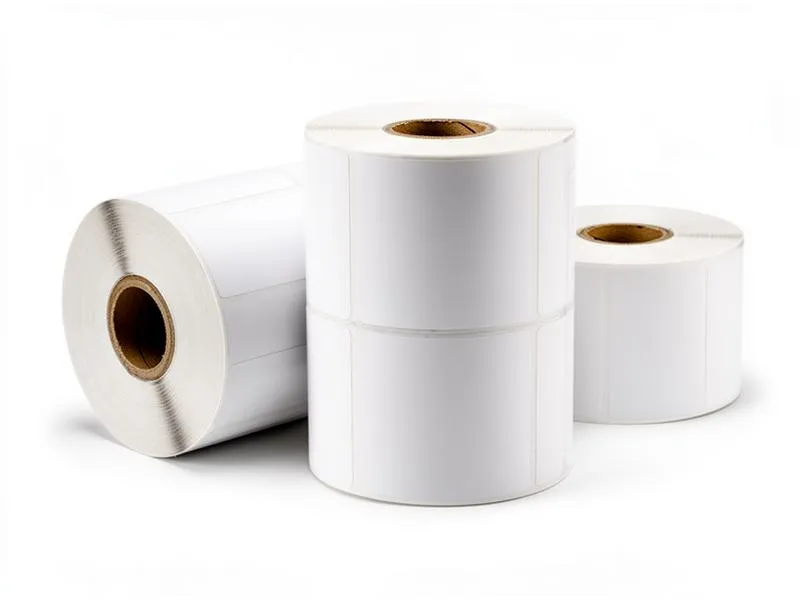
Optimize logistics and e-commerce with the right direct thermal label material. Understand specs for seamless barcode scanning and shipping label performance.
Table of Contents
- The Anatomy of High-Performance Direct Thermal Label Material
- 1. The Face Stock
- 2. The Thermal Coating (Top-Coated vs. Non-Top-Coated)
- Technical Specifications Table
- Adhesive Requirements for E-commerce & Logistics
- Hot-Melt vs. Acrylic Adhesive
- Converting and Processing Direct Thermal Rolls
- Slitting and Die-Cutting
- Environmental Factors and Durability
- Optimization for Shipping and Receiving
- Specifying the Right Material for Your Region
- Specify Your Project
- Frequently Asked Questions
The rapid expansion of global logistics and e-commerce has placed unprecedented demand on labeling systems to be both fast and reliable. For procurement managers and label converters, choosing the right direct thermal label material is no longer just about price; it is about ensuring that a barcode remains scannable after enduring friction in a sorting facility or moisture in a delivery van. Unlike thermal transfer technology, direct thermal printing eliminates the need for ribbons, simplifying the supply chain and reducing per-label costs at high volumes. However, without a precise understanding of GSM, micron thickness, and adhesive shear strength, businesses risk catastrophic labeling failures that lead to lost packages and operational downtime. This guide breaks down the technical specifications required for high-performance e-commerce labeling.
The Anatomy of High-Performance Direct Thermal Label Material
Direct thermal (DT) technology relies on a chemical reaction. The paper or film is coated with a leuco dye and a developer. When the print head applies heat (typically between 120°C and 180°C), the chemicals react to form a black image. This process requires a sophisticated multi-layer construction to ensure longevity and print clarity.
1. The Face Stock
In the logistics sector, the face stock is usually a premium thermal direct self-adhesive label stock. For standard shipping labels, we utilize a 70 GSM to 80 GSM wood-free paper. The thickness typically ranges from 75 to 85 microns. For more rugged environments, such as cold-chain logistics, a synthetic PP self-adhesive label is preferred due to its tear resistance and moisture barriers.
2. The Thermal Coating (Top-Coated vs. Non-Top-Coated)
- Non-Top-Coated (NTC): These are cost-effective but sensitive to environment. Ideal for short-term indoor use where labels are discarded quickly.
- Top-Coated (TC): Includes an extra protective layer that insulates the thermal chemistry from oils, plasticizers (common in stretch wrap), and moisture. For e-commerce shipping labels crossing borders, a top-coat is non-negotiable.
Technical Specifications Table
Before placing a bulk order, it is critical to compare the physical properties of the material. Below are the standard benchmarks for our premium e-commerce grade materials.
| Property | Standard Paper DT | Premium Top-Coated DT | Synthetic DT (PP) |
|---|---|---|---|
| Total Weight (GSM) | 135 ± 7 | 145 ± 8 | 160 ± 10 |
| Face Thickness (Microns) | 78 ± 5 | 82 ± 5 | 90 ± 5 |
| Initial Tack (N/25mm) | ≥ 12 | ≥ 14 | ≥ 16 |
| Service Temp Range | -20°C to +70°C | -40°C to +80°C | -50°C to +90°C |
| Whiteness (%) | ≥ 88 | ≥ 90 | ≥ 95 |
Adhesive Requirements for E-commerce & Logistics
The label material is only as good as its bond. For e-commerce, the choice of adhesive must account for "difficult" substrates like recycled corrugated cardboard and LDPE poly-mailers. These surfaces have high surface tension or recycled fibers that "dust" easily, which can cause standard labels to peel at the edges.
Hot-Melt vs. Acrylic Adhesive
Most shipping label material uses high-tack hot-melt adhesive. This provides an immediate bond (high initial tack) which is necessary for high-speed automated applicators running at speeds up to 150 m/min. If the application requires long-term UV resistance or outdoor storage, an acrylic-based adhesive is superior, though it may take 24 hours to reach full bond strength. For temporary labeling, a removable self-adhesive label material is recommended to prevent substrate damage.
Converting and Processing Direct Thermal Rolls
Efficiency in the pressroom determines the final cost per label. When converting large master rolls into DT label rolls for desktop printers, precision tension control is essential to prevent "telescoping" or adhesive bleed.
Slitting and Die-Cutting
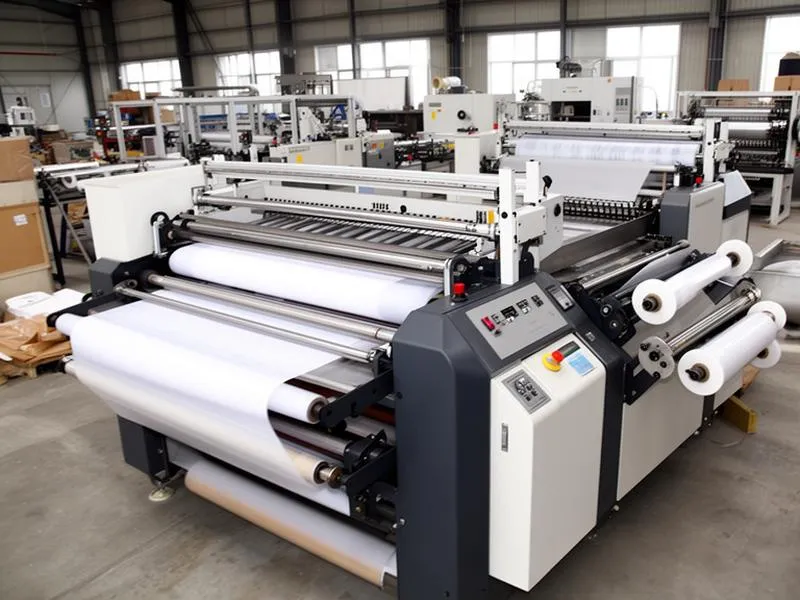
To produce clean rolls for end-users, we recommend utilizing high-precision machinery such as the AF-1350 high-speed slitting machine. This equipment ensures that the edges of the thermal paper are cut cleanly, minimizing paper dust that could eventually clog the customer's print heads. Furthermore, for custom-shaped shipping labels or integrated packing slips, the MQ-1060 automatic flatbed die-cutting machine provides the 500-ton pressure capacity needed for consistent depth-controlled cuts through the face stock without piercing the release liner.
Environmental Factors and Durability
Direct thermal labels are susceptible to "fading" if exposed to heat or direct sunlight. This is because the chemical reaction that creates the image can be reversed or completely saturated. In the logistics chain, packages might sit on a tarmac at 45°C or inside a delivery truck reaching internal temperatures of 60°C.
- Heat Resistance: Premium thermal label paper can typically withstand up to 60°C for 24 hours without significant background discoloration.
- Chemical Resistance: In industrial settings, labels may come into contact with alcohols or cleaners. Top-coated materials offer a barrier that prevents the image from dissolving.
- Friction Resistance: In sorting centers, labels rub against conveyor belts. A high-quality top-coat ensures the barcode remains readable by scanners even after 500+ cycles of abrasion.
Optimization for Shipping and Receiving
For large-scale distribution centers, the weight of the liner (backing paper) is often overlooked. We typically use a 58 GSM to 62 GSM honey glassine liner. This provides the transparency needed for optical sensors on label applicators and the tensile strength to prevent web breaks during high-speed dispensing. If you are using a manual application process, a matte white self-adhesive label paper provides excellent contrast for human readability and hand-scanning.
Specifying the Right Material for Your Region
Climate plays a massive role in material selection. For tropical markets with high humidity, a moisture-barrier top-coat is essential to prevent the paper from curling or the adhesive from losing its shear strength. In colder climates, we specify "All-Temp" adhesives that can be applied at temperatures as low as -5°C and remain functional down to -40°C.
Specify Your Project
Selecting the ideal direct thermal label material requires balancing cost with the technical demands of your logistics environment. Whether you need high-volume shipping labels for a global e-commerce hub or durable synthetic labels for outdoor freight, All-in Pack provides the technical expertise and high-capacity manufacturing to meet your specs. Our materials are tested for compatibility with Zebra, Honeywell, and SATO thermal printers. Contact our technical sales team today to request a spec sheet or sample roll for your specific application requirements.
Frequently Asked Questions
Quick answers about direct-thermal-labels.
Companion Products
Specs and samples for the products discussed in this article.
Related Articles
View all
Technical Knowledge · May 12, 2026
Hot Stamping Foil Roll Sizes & Specs Chart
Optimize production now with our hot stamping foil roll size chart, covering widths, lengths, and core specs for machine compatibility.
Technical Knowledge · May 12, 2026
Hot Stamping Foil for Electronics: Specs Guide
Choose the right hot stamping foil for electronics, ensuring durable branding for phone cases, logos, and nameplates. Get high-performance results for your products.
Technical Knowledge · May 12, 2026
PVC Card Hot Stamping Foil Specs for Plastic Cards
Discover essential PVC card hot stamping foil specifications for bank, loyalty, and membership cards. Ensure durable, high-quality finishes for plastic cards.
Ready to source foil stamping and die-cutting from one supplier?
From stamping foils to post-press machines and die-cutting consumables — get factory-direct pricing and free samples.