
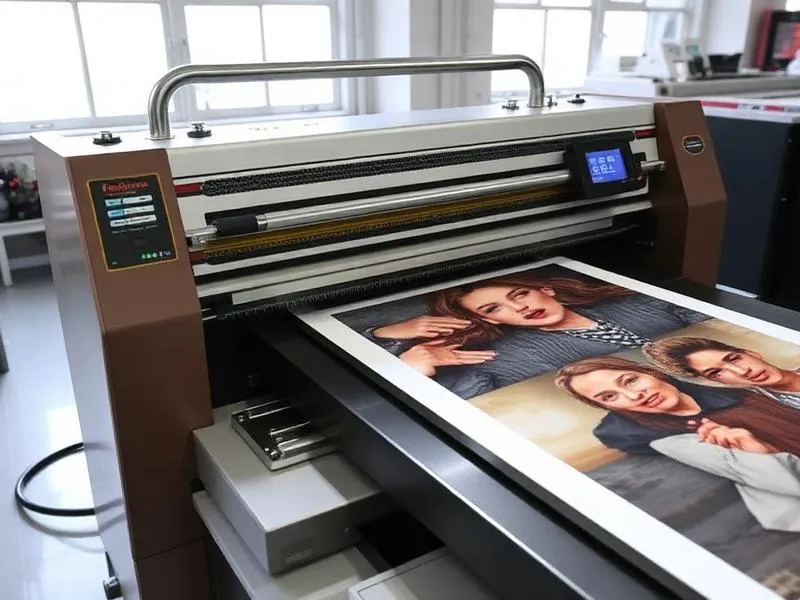
Optimize your production with the right automatic folder gluer machine. Compare straight-line and crash-lock models to increase efficiency.
Table of Contents
- Straight-line vs. Crash-lock: Core Functional Differences
- Straight-Line Folder Gluers
- Crash-Lock Folder Gluers
- Speed and Throughput Comparison
- Suitable Carton Types and Substrates
- Straight-Line Applications
- Crash-Lock Applications
- Investment and Operational Pricing Tiers
- The Importance of a Sample Carton Test
- Frequently Asked Questions
In high-volume packaging converting, the final folding and gluing stage is a critical bottleneck to master. The efficiency, precision, and versatility of your automatic folder gluer machine directly impact throughput, labor costs, and the structural integrity of the final carton. A correctly specified machine is a production asset; an incorrect choice leads to constant downtime, waste, and limitations on the types of jobs you can profitably accept.
Making the right investment requires a clear understanding of the two primary machine configurations: straight-line and crash-lock. While both perform the essential function of converting a flat, die-cut blank into a sealed carton, their mechanisms, capabilities, and ideal applications differ substantially. This guide provides a technical comparison of straight-line and crash lock folder gluer systems to inform your selection process for your post-press-equipment inventory.
Straight-line vs. Crash-lock: Core Functional Differences
The fundamental distinction lies in the complexity of the folds the machine is engineered to produce. This dictates the machine's construction, setup, and the type of carton it can run.
Straight-Line Folder Gluers
A straight-line machine is the most common type of folder gluer. Its function is to perform simple, linear folds. The primary application is creating standard side-seam (or side-glue) cartons. The die-cut blank is fed into the machine, where it travels along a belt. A series of guides and rollers pre-folds the main creases, adhesive is applied to a glue flap, and a final folding section brings the side of the carton over to adhere it, forming a flat, collapsed tube. The process is direct, high-speed, and mechanically straightforward.
Crash-Lock Folder Gluers
A crash-lock bottom machine, also known as an auto-bottom folder gluer, performs a more complex folding sequence. In addition to the side-seam, it is designed to pre-fold and interlock a series of flaps at the bottom of the carton. This creates a base that automatically locks into place when the carton is squared up for filling. This is achieved through additional, dedicated folding sections with specialized hooks and helical guides that manipulate the blank's bottom flaps in a precise sequence. The term "crash" refers to the speed and force with which the flaps lock into their final position during carton erection.
Speed and Throughput Comparison
Production speed is not merely the maximum belt speed listed on a spec sheet. True throughput is a factor of belt speed, make-ready (setup) time, and waste rate. While straight-line machines often boast higher top-end speeds, crash-lock machines can provide labor savings further down the packaging line that offset any reduction in gluing speed.
Straight-line gluers excel at high-volume, low-variation jobs where make-ready is performed infrequently. Crash-lock setups, being mechanically more complex, invariably require a longer and more skilled make-ready. A skilled operator might need 90-150 minutes to set up a complex crash-lock job, compared to 45-90 minutes for a standard straight-line run.
| Feature | Straight-Line Folder Gluer | Crash-Lock Folder Gluer |
|---|---|---|
| Max Belt Speed | 300 - 450 m/min | 250 - 400 m/min |
| Typical Production (Boxes/hr) | 25,000 - 50,000 | 15,000 - 35,000 |
| Average Make-Ready Time | 45 - 90 minutes | 90 - 150 minutes |
| Mechanical Complexity | Low | High |
| Adhesive System | Single nozzle/wheel | Multi-nozzle electronic system |
Suitable Carton Types and Substrates
The choice of machine is primarily dictated by the carton styles your clients demand.
Straight-Line Applications
These machines are workhorses for producing large quantities of standard cartons. Ideal applications include:
- Pharmaceutical and cosmetic boxes
- Food packaging (cereal, pasta, tea)
- Software and small electronics packaging
- Any simple, sleeve-style or side-seam carton
Crash-Lock Applications
The value of a crash-lock carton is realized at the point of packing. The auto-erecting bottom significantly reduces manual labor or allows for integration into automated high-speed filling lines. Common applications include:
- Wine and spirits bottle boxes
- E-commerce subscription and shipping boxes
- Fast-food packaging (e.g., large fry cartons)
- Heavy product packaging requiring a stronger base
Investment and Operational Pricing Tiers
The acquisition cost of an automatic folder gluer machine is directly proportional to its complexity, speed, and level of automation.
- Entry-Level ($60,000 - $90,000 USD): These are typically dedicated straight-line machines. They offer reliable performance for standard side-seam work but may lack advanced features like electronic glue systems, job memory, or quick-change tooling. They are an excellent starting point for businesses bringing gluing in-house.
- Mid-Range / Modular ($120,000 - $200,000 USD): This tier represents the most common investment. These machines are modular, allowing for both straight-line and crash-lock configurations. They often feature electronic glue systems, better diagnostics, and some powered setup assistance. This flexibility allows a converter to handle a wide variety of jobs without investing in multiple machines.
- High-Automation ($250,000+ USD): At this level, machines are built for 24/7 operation with minimal downtime. Features include servo-driven motors for each section, fully automated rail and carrier positioning via touchscreen, integrated quality assurance systems with ejectors for faulty cartons, and extensive job data logging. The investment is justified by maximum throughput and minimal waste on very long runs.
Operational costs for crash-lock machines are marginally higher due to increased adhesive consumption from multiple application points and the higher cost of specialized tooling and spare parts (e.g., folding hooks, belts).
The Importance of a Sample Carton Test
Technical specifications provide a baseline, but real-world performance is dictated by the interaction between your specific substrates, inks, coatings, and carton designs with the machine. Before any purchase, a comprehensive sample test is non-negotiable.
Provide your machine supplier with die-cut blanks for your most common and most challenging jobs. A proper test should consist of running at least 5,000-10,000 units of each design to verify performance at scale. During this test, you should scrutinize:
- Glue application: Is it precise, consistent, and free of splashing at all speeds?
- Fold accuracy: Are all creases folded cleanly without skewing or "crow's feet"?
- Surface integrity: Is there any scuffing, scratching, or marking on the printed surfaces from belts or guides?
- Structural performance: For crash-lock boxes, does the bottom erect smoothly and lock securely every time?
Ultimately, the decision between a straight-line and crash-lock folder gluer hinges on your current and anticipated product mix. If your business is built on high volumes of simple cartons, a dedicated straight-line machine offers unmatched speed and efficiency. If you serve clients who require faster fulfillment, stronger carton bases, or you want the flexibility to win more complex jobs, a modular crash-lock machine is the superior long-term investment. To determine the precise configuration and performance for your specific carton designs, we recommend a thorough consultation and sample test. Contact our technical team today to discuss your requirements and schedule a test run on our latest automatic folder gluer machine models.
Frequently Asked Questions
Quick answers about automatic folder gluer machine.
Companion Products
Specs and samples for the products discussed in this article.
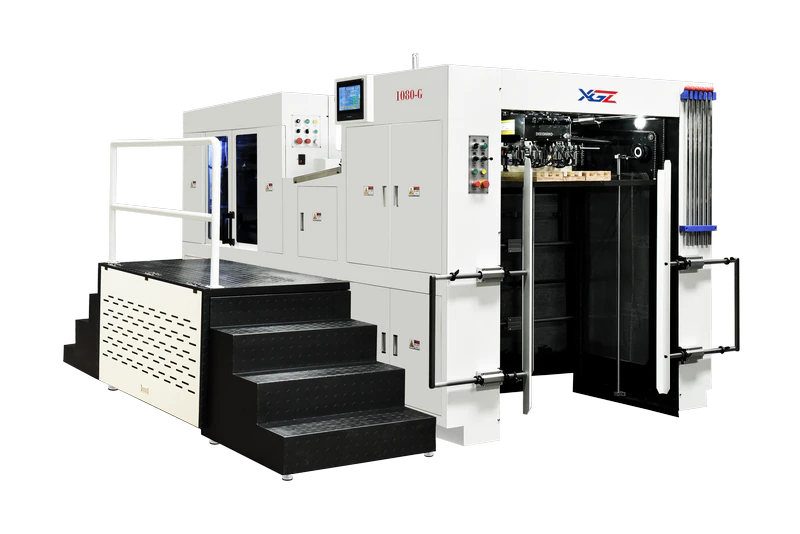
XG1080G Fully Automatic Hot Foil Blocking Machine (Hot Stamping Press)
Industrial hot foil blocking machine (also called a hot stamping press) with 5,500 sheets/hour throughput, 1060×740 mm max sheet size, 80-ton stamping pressure and ±2°C PLC temperature control — for paperboard, luxury packaging, book covers and security printing.
View product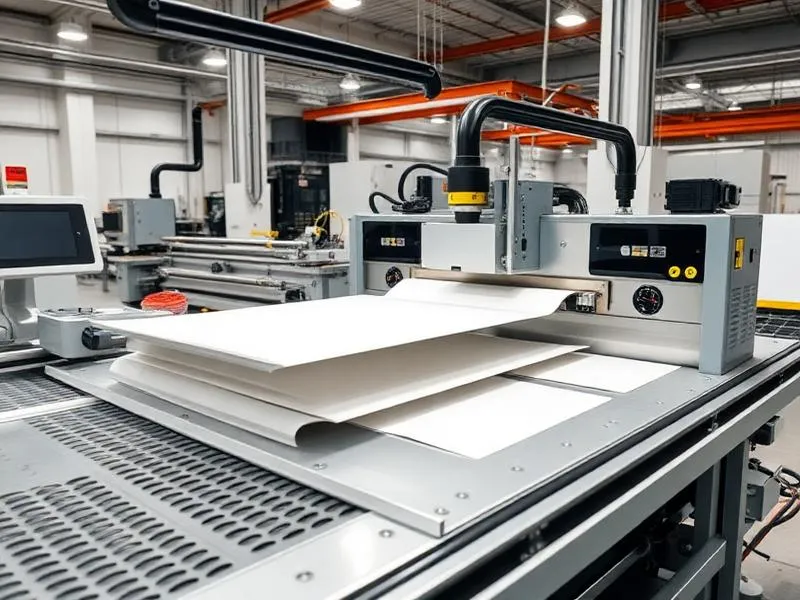
MQ-1060 Automatic Flatbed Die-Cutting Machine
MQ-1060 automatic flatbed die-cutting machine — 7,500 sheets/hour, 300-ton cutting pressure, 1060×740 mm sheets, ±0.1 mm accuracy. For folding cartons, labels and corrugated packaging.
View product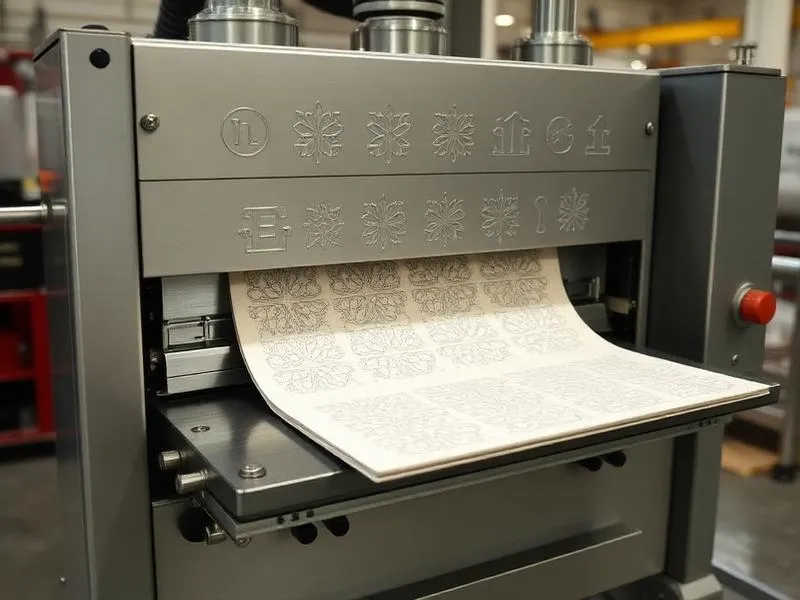
TYM-1060 Automatic Embossing & Debossing Machine
TYM-1060 automatic embossing & debossing machine — 350-ton pressure, 5,000 sheets/hour, 1060×740 mm, multi-level dies. Combo hot stamping + emboss in one pass for luxury packaging.
View productRelated Articles
View allTechnical Knowledge · Aug 28, 2026
XG1080G Fully Automatic Hot Stamping Machine: Field Review
A field review of the XG1080G fully automatic hot stamping machine: 5,000 sheets/hour, plus or minus 0.075mm registration, 160-tonne pressure and 6-zone heating, with real sustained throughput figures, landed-cost budgeting and honest guidance on who should not buy it.
Technical Knowledge · May 12, 2026
Automatic Laminating Machine for Carton Boxes
Discover the latest automatic laminating machine specs, water-based vs. solvent systems, and achieve an 18-month ROI.
Technical Knowledge · May 12, 2026
Automatic Die Cutting Machine 1080mm: A Buyer Guide
Discover the ideal automatic die cutting machine 1080mm for your carton converting needs. Optimize speed, stripping, and ROI for superior production.
Ready to source foil stamping and die-cutting from one supplier?
From stamping foils to post-press machines and die-cutting consumables — get factory-direct pricing and free samples.