
دليل فني · إصدار 2026
الدقة الهندسية في طباعة الفويل البارد
تحليل فني شامل لتطبيق المعادن المدمج لإنتاج التعبئة والتغليف بكميات كبيرة — العملية، التكلفة، الركائز، واقتصاديات الطباعة لفرق المشتريات وهندسة الطباعة.
راجعه Gavin Gao, المدير الفني
ما هي طباعة الفويل البارد؟
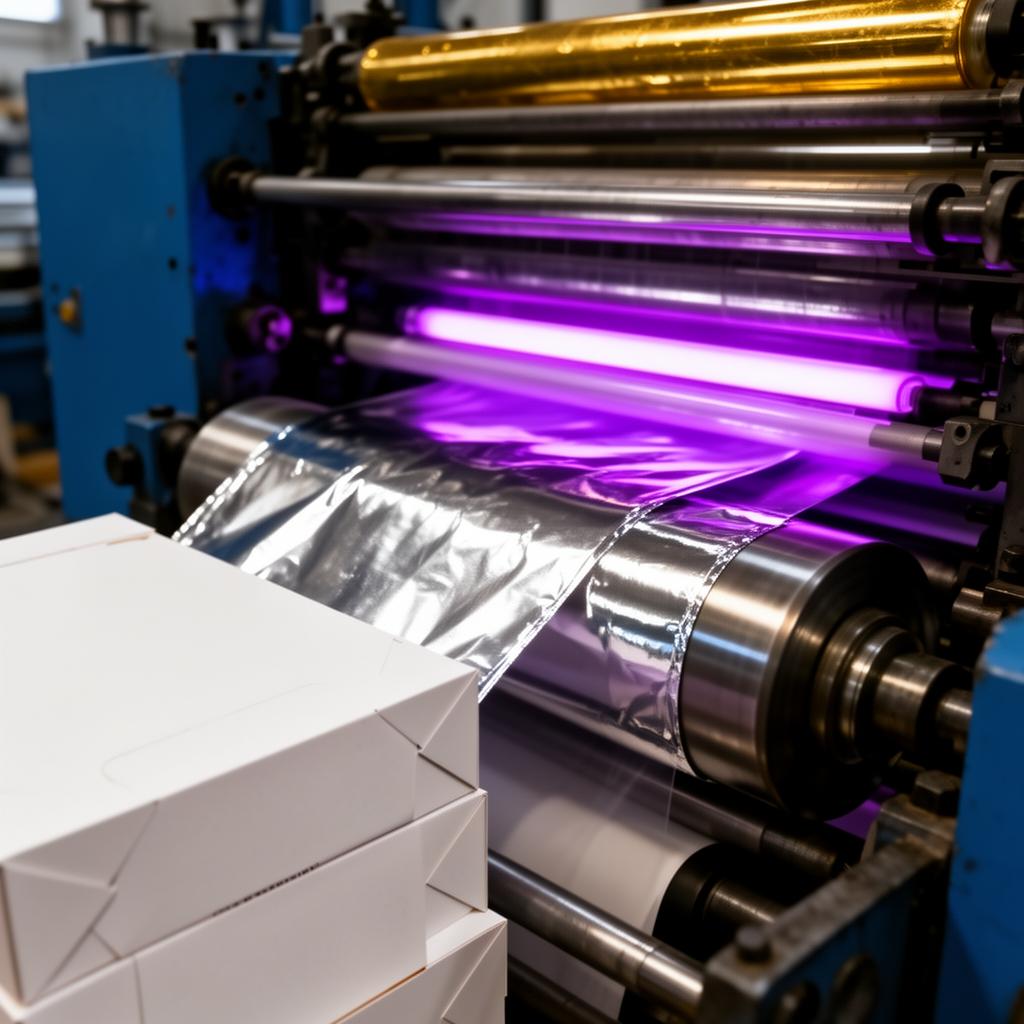
على عكس الختم الساخن التقليدي،طباعة الفويل الباردهي عملية مدمجة تربط الفويل المعدني بالركائز باستخدام لاصق معالج بالأشعة فوق البنفسجية — مما يتيح التطبيق عالي السرعة، والتسجيل المثالي مع CMYK، والتدرجات اللونية المتطورة بدون قوالب نحاسية باهظة الثمن. للمفهوم الأساسي انظرما هو الرقائق الباردة; لعملية الإنتاج خطوة بخطوة، انظردليل ختم الرقائق الباردة; أو انتقل إلى صفحة منتج رقائق الختم الباردةللدرجات والأسعار.
التسلسل الفني ذو الـ 5 خطوات
تطبيق اللاصق
يتم طباعة لاصق قابل للمعالجة بالأشعة فوق البنفسجية عبر لوحة فلكسو أو أوفست بنفس هندسة الصورة الدقيقة.
تغليف الرقائق
يتم تثبيت شبكة PET المعدنية على اللاصق الرطب تحت بكرات ضغط معايرة.
المعالجة بالأشعة فوق البنفسجية
يعالج مصباح UV-LED أو مصباح الزئبق اللاصق فورًا عبر الحامل — لربط طبقة الألومنيوم.
نزع الحامل
يتم إعادة لف حامل PET المستهلك؛ وتبقى الطبقة المعدنية فقط على مناطق الصورة — موفر الرقائق يقلل النفايات.
الطباعة الفوقية المضمنة
تقوم الوحدات النهائية بالطباعة الفوقية CMYK على القاعدة المعدنية لإظهار درجات اللون الذهبي الوردي أو النحاسي أو ألوان قوس قزح.
مصفوفة الأداء المقارن
مقارنة طباعة الفويل البارد بالختم بالفويل الساخن والفويل الرقمي عبر المقاييس التي تحكم اقتصاديات الوحدة.
| المعلمة | الفويل البارد | الختم الساخن | الفويل الرقمي |
|---|---|---|---|
| سرعة الإنتاج | 150–400 m/min | 20–80 m/min | 5–30 m/min |
| تكلفة الأدوات | $80–$180 plate | $200–$500 die | لا يوجد |
| التكلفة لكل وحدة عند 50 ألف | $0.008–$0.025 | $0.015–$0.045 | $0.05–$0.18 |
| السطوع | جيد | الأفضل (مرآة) | جيد |
| الحد الأدنى لوزن الخط | 0.15 مم | 0.05 مم | 0.10 مم |
| ركيزة حساسة للحرارة | نعم | لا | نعم |
| طباعة CMYK فوقية متتالية | نعم | لا | نعم |
| حجم مثالي | 5,000+ | 500–50,000 | 100–5,000 |
تطبيقات الصناعة
تدرجات معدنية فاخرة للعلب الثانوية وأغلفة الموزعات.
تزيين الملصقات عالي السرعة برقائق قابلة للطباعة فوقية للوحات ألوان مخصصة.
تطبيق الفويل المدمج لعلب الشوكولاتة الموسمية والكرتون القابل للطي.
دمج الفويل الهولوغرافي للحماية من التزييف وحماية العلامة التجارية الظاهرة.
الأسئلة الشائعة حول المواصفات الفنية
Q01ما هي طباعة الفويل البارد؟+
طباعة الفويل البارد هي عملية تزيين معدنية مدمجة تنقل طبقة PET مغلفة بالألمنيوم إلى ركيزة باستخدام لاصق معالج بالأشعة فوق البنفسجية — في درجة حرارة الغرفة، بدون قالب ساخن. يُطبع اللاصق بشكل الصورة على مكبس فلكسو أو أوفست، وتُصفح شبكة الفويل تحت بكرة ضغط، ويُعالج اللاصق بالأشعة فوق البنفسجية، وتُنزع الطبقة الحاملة. والنتيجة هي صورة معدنية لامعة كالمرآة يمكن بعد ذلك طباعتها بألوان CMYK في نفس تمريرة الطباعة بسرعة 150–400 m/min.
Q02طباعة الفويل البارد مقابل ختم الفويل الساخن — أيهما يجب أن أختار؟+
اختر طباعة الفويل البارد للكميات التي تزيد عن 5,000 وحدة، والركائز الحساسة للحرارة (BOPP خفيف الوزن، فيلم الانكماش)، والوظائف التي تتطلب تغطية معدنية كاملة مطبوعة بألوان CMYK لإنشاء ألوان مخصصة (الذهب الوردي، النحاس، أقواس قزح هولوغرافية). اختر ختم الفويل الساخن للكميات القصيرة التي تقل عن 5,000 وحدة، والورق المقوى الفاخر غير المطلي، والتأثيرات اللمسية البارزة (بالاشتراك مع النقش)، وأعلى لمعان مرآوي على عبوات المشروبات الروحية الفاخرة ومستحضرات التجميل وأغلفة الكتب.
Q03كم تكلفة طباعة الفويل البارد للوحدة الواحدة؟+
في الكميات التي تبلغ 50,000 وحدة، تتكلف طباعة الفويل البارد 0.008–0.025 دولار أمريكي لكل 100 cm² من التغطية، بالإضافة إلى لوحة طباعة لاصق UV لمرة واحدة (80–180 دولار أمريكي). وهذا أقل بنسبة 30–60% من الفويل الساخن لنفس التغطية فوق 5,000 وحدة لأنه لا يوجد قالب محفور، ولا تمريرة ثانية، ولا توقف للآلة — يتم تطبيق الفويل بشكل مدمج مع بقية عملية الطباعة.
Q04ما هي أفضل الركائز لطباعة الفويل البارد؟+
الورق المقوى المطلي (SBS, FBB)، BOPP، PE، PET، و PVC/PETG القابل للانكماش كلها تعمل بشكل جيد. المخزونات المطلية تحمل لاصق UV في نقطة حادة وتقدم أعلى لمعان. الورق غير المطلي يمتص اللاصق ويخفت المعدن — للورق المقوى الفاخر غير المطلي، انتقل إلى ختم الفويل الساخن. الفويل البارد هو الخيار الافتراضي للأفلام الحساسة للحرارة لأن العملية لا تضيف أي حمل حراري.
Q05ما هي المطابع التي تدعم طباعة الفويل البارد؟+
مطابع الفلكسو للبطاقات مع وحدة فويل بارد مخصصة (Gallus, Nilpeter, Mark Andy, Bobst) ومطابع الأوفست المسطحة مع وحدة فويل بارد (KBA Rapida, Heidelberg Speedmaster, Komori Lithrone). كلاهما يحتاج إلى مصباح UV-LED أو مصباح UV زئبقي يوضع مباشرة قبل نقطة ضغط الفويل. للحصول على المواصفات الكاملة للمعدات، راجع دليل آلة طباعة الفويل البارد.
Q06ما هي الحد الأدنى لكمية الطلب لفائف الفويل البارد؟+
توفر All-in Pack لفائف طباعة الفويل البارد بحد أدنى للطلب 500 sqm بدرجات PET 12–16 µm، وعروض قياسية 200–1,650 mm، واتساق ألوان ΔE ≤ 1.5 عبر اللفائف، ووقت تسليم 7–15 يومًا، وعينات A4 مجانية. تشمل الدرجات الشائعة الذهب، الفضة، النحاس، الذهب الوردي، وقوس قزح الهولوغرافي.
Q07هل يمكن الطباعة فوق طباعة الفويل البارد بألوان CMYK؟+
نعم — هذه هي الميزة الأكبر الوحيدة مقارنة بالفويل الساخن. قاعدة فويل بارد فضية مطبوعة فوقها باللون الأرجواني (magenta) تصبح ذهبية وردية؛ ومطبوعة فوقها بالأصفر + السماوي (cyan) تصبح نحاسية. درجة واحدة من الفويل الفضي بالإضافة إلى أحبار CMYK الخاصة بك تولد لوحة ألوان معدنية غير محدودة، مما يلغي الحاجة إلى تخزين عشرات الألوان من الفويل.
هل أنت مستعد لدمج الفويل البارد؟
استشر فريقنا الهندسي لتقييم توافق خط التعبئة والتغليف الخاص بك، وسلوك الركيزة، وتوقعات عائد الاستثمار. سنرد في غضون 24 ساعة بالمواصفات والأسعار ووقت التسليم وعينات A4 مجانية.