
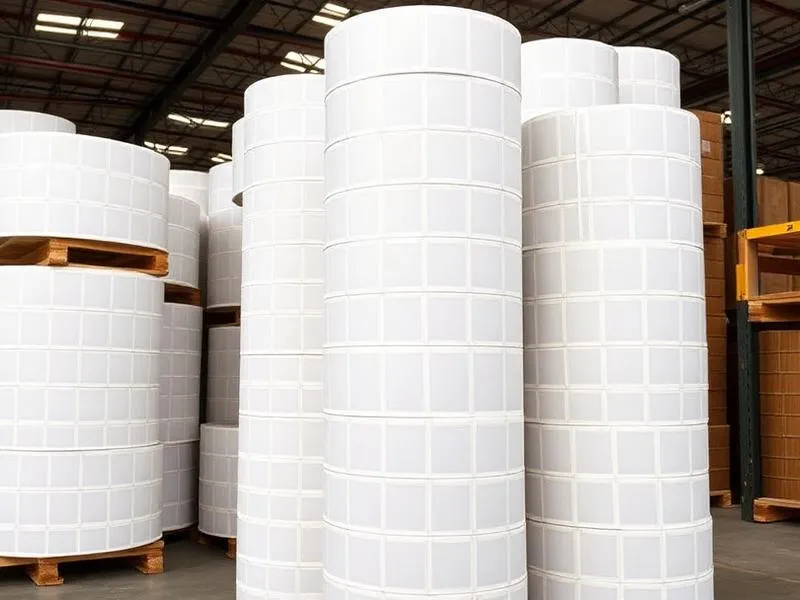
Discover key sustainable packaging material trends and how eco-adhesives are reshaping the industry, offering converters greener solutions.
Table of Contents
Sustainability is no longer a marketing buzzword — it's a procurement requirement. Major brands across food, cosmetics, and consumer goods are mandating sustainable packaging materials from their supply chain partners. Here's how the landscape is changing — and where to focus your label material roadmap. For a deeper construction-by-construction breakdown, see our 2026 sustainable PSA labels guide.
FSC-Certified Label Materials
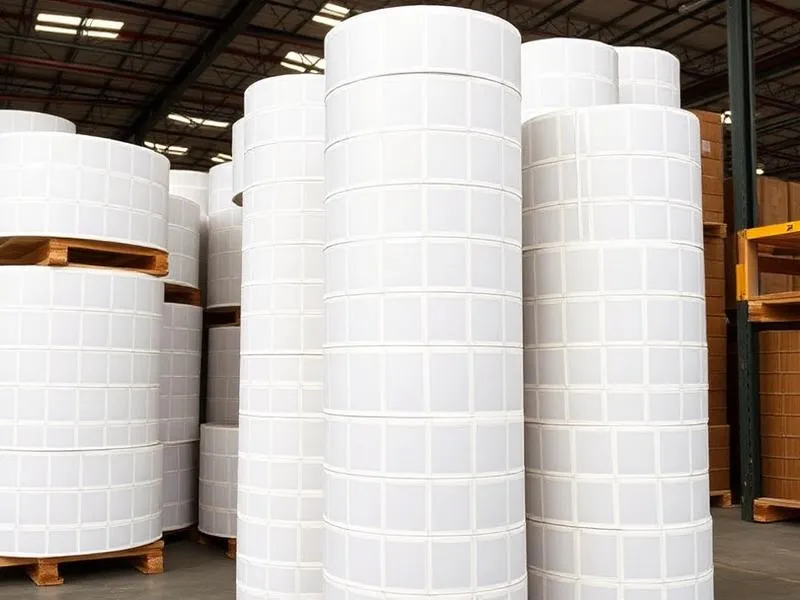
Forest Stewardship Council (FSC) certification for label face stocks has become a baseline requirement for many European and North American brand owners. Suppliers without FSC chain-of-custody certification risk losing tenders even when their product quality is competitive. Our Gloss White and Matte White Label Papers are available in FSC variants on request.
Recyclable Adhesive Systems
Traditional permanent acrylic adhesives can contaminate the recycling stream of PET bottles and paper packaging. New "wash-off" adhesive formulations — see our Washable Self-Adhesive range — allow labels to be cleanly separated during the recycling process, enabling full container recyclability.
Sustainable Material Comparison
| Material | Certification | End-of-life | Cost vs Standard | Best Use |
|---|---|---|---|---|
| FSC coated paper | FSC C-o-C | Recyclable (paper stream) | +3 – 5% | Wine, F&B, retail |
| Wash-off adhesive PP | RecyClass / APR | Recyclable (rPET) | +8 – 12% | PET beverage bottles |
| Down-gauged PP (40 µm) | — | Recyclable | −15% (less material) | Logistics, FMCG labels |
| PLA bio-film | EN 13432 | Industrially compostable | +25 – 40% | Compostable packaging |
| Linerless thermal | — | Zero liner waste | +10 – 18% | Logistics, weighing scales |
Thinner Films, Same Performance
Material manufacturers are developing thinner facestocks (down from 60 µm to 40 µm for PP films) that maintain print quality and machine runnability while reducing material consumption by 30%. This "downgauging" trend is gaining traction across both paper and film label segments.
Bio-Based & Compostable Options
PLA (polylactic acid) facefilms and bio-based adhesives derived from plant starches are entering the market for applications where industrial compostability is required. Volumes are still niche, but growth is accelerating where municipal composting infrastructure exists.
What This Means for Converters
Converters should audit their material supply chain for sustainability certifications (ISO 14000, FSC, EU Ecolabel) and begin qualifying eco-friendly alternatives. Those who can offer sustainable options alongside competitive pricing and quality will win in the evolving market.
Browse our complete Self-Adhesive Materials catalog, or request our certified sample pack to evaluate FSC paper and wash-off adhesive on your line.
Frequently Asked Questions
Quick answers about sustainability.
Related Articles
View all
Industry News · Apr 15, 2026
Sustainable Self-Adhesive Labels: 2026 Eco-Friendly Trends
Explore the future of sustainable self-adhesive labels for 2026, featuring recyclable liners, FSC paper, and wash-off adhesives for eco-conscious brands.
Industry News · Apr 16, 2026
Holographic Foil Trends: Luxury & Anti-Counterfeit
Explore the growth of holographic foil in luxury packaging and anti-counterfeit applications. Learn how it protects brands and boosts aesthetic appeal.
Ready to source foil stamping and die-cutting from one supplier?
From stamping foils to post-press machines and die-cutting consumables — get factory-direct pricing and free samples.